Burkina Faso halts livestock exports: Public relief, but heavy losses for traders
Livestock exports suspended in Burkina Faso
Written by: Mohamed Ragab
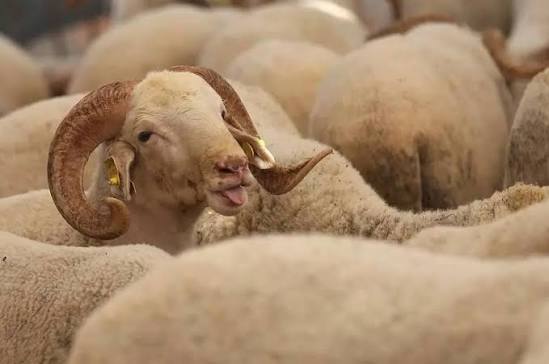
The Burkina Faso government's decision to temporarily halt livestock exports has sparked controversy in economic and commercial circles. Citizens welcomed it as a step to control meat prices and provide sacrificial animals for Eid al-Adha, while traders considered it a severe blow to their business activity and main source of income.
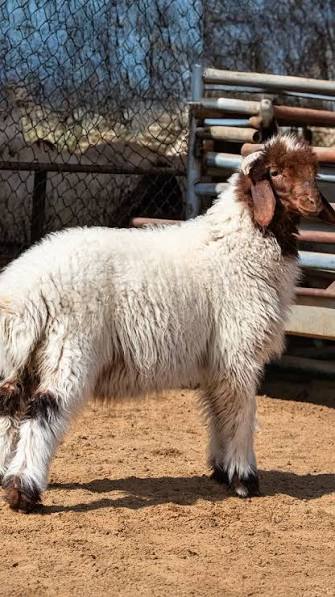
The government decision came as part of the authorities’ efforts to secure the local market’s needs for sheep and cattle, especially with the increased demand during the Eid al-Adha season, which annually witnesses a significant increase in livestock and meat prices.
Through this measure, the government seeks to reduce price increases and alleviate the burdens on citizens, in light of the difficult economic conditions the country is experiencing.
Supply shortages and high prices
A number of residents of the capital, Ouagadougou, expressed their support for the decision, stressing that exporting large numbers of livestock to neighboring countries was leading to a shortage of supply locally and a continuous rise in prices.
Citizens believe that halting exports may give families a better opportunity to purchase sacrificial animals at reasonable prices during the Eid season.
In contrast, livestock traders confirmed that the decision caused significant financial losses, especially since many of them rely on exporting livestock to regional markets in West African countries.
Some traders explained that trade came to a near standstill after the decision was issued, leading to a buildup of livestock in local markets and a drop in selling prices compared to the actual costs of breeding and transportation.
Livestock industry workers say that markets in neighboring countries are a key source of profits, especially with the high demand for sheep from Burkina Faso, which has a good reputation in the region.
Traders believe that a prolonged ban could lead to a decline in the sector's activity and cause economic damage to thousands of families who depend on livestock trading.
Local meat processing
The livestock sector is one of the most important economic sectors in Burkina Faso, as it provides employment opportunities for a large number of people and represents an important source of national revenue after the gold and cotton sectors.
At the same time, the government is seeking to develop the sector by encouraging local meat processing instead of relying on live animal exports, with the aim of achieving greater economic value and increasing revenues.
Observers believe the decision reflects the government's attempt to strike a balance between protecting consumers and preserving the interests of traders, especially with increasing economic pressures and rising living costs in many West African countries during Eid al-Adha.