Because of China, Zambia cancels the RightsCon global conference | What's the story?
Pressure from China prompts Zambia to suspend digital rights conference
Written by: Qusay Ahmed
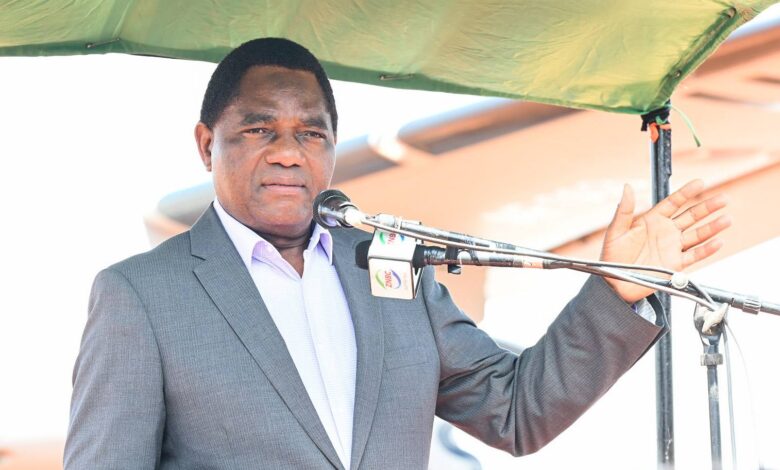
The government cancelled Zambia The hosting of RightsCon, the world’s largest conference on human rights and technology, was announced just days before it was set to begin in the capital, Lusaka, amid accusations that external pressures played a role in the decision.
The conference was expected to bring together thousands of participants from around the world, including business leaders, government officials, technology experts, and human rights advocates, to discuss key issues related to the relationship between digital rights and technology. However, the Zambian government announced the postponement of the event, claiming it was incompatible with national values.
Pressures from China Zambia pushes for suspension of digital rights conference
Minister of Technology and Science, Felix Mutati, said in a statement that some speakers and participants had not completed the necessary administrative and security approvals, while Minister of Information, Thabo Kawana, indicated that the decision was due to the need for more transparency regarding the issues to be discussed. .
In contrast, Access Now, the conference organizer, blamed the cancellation on what it described as foreign interference, asserting that pressure from China was behind the decision due to the participation of delegations from Taiwan.
The organization explained that Chinese diplomats pressured the Zambian government to exclude Taiwanese participants, noting that some international delegations had already been stopped at the airport and informed of the cancellation of the conference before the decision was officially announced.
She added that communication with the Zambian authorities was confused and ambiguous, as she received an informal call informing her of the postponement of the event without explaining the reasons, before the official announcement was later issued through government media.
The decision sparked widespread criticism from international human rights organizations, which considered the cancellation of the conference a serious setback for freedom of expression and assembly. Zambian lawyer and activist Linda Kasonde described the move as a sign of democratic backsliding, pointing to increasing restrictions on public space and political freedoms in the country.
Human rights coalitions, including the Net Rights Coalition, have warned that the decision reflects an increasing crackdown on civil society, especially with the general elections approaching in August 2026.
For her part, Angela Quintal, Africa director at the Committee to Protect Journalists, considered the prevention of the conference a direct attack on freedom of expression, in light of escalating pressure on the media and the enactment of controversial digital laws that grant authorities broad censorship powers.
In the same context, UN Special Rapporteur Gina Romero warned that this step undermines fundamental rights and sets a dangerous precedent for hosting international events, stressing that protecting freedom of assembly is no longer a diplomatic issue, but a fundamental condition for a free global community.
This development comes at a politically sensitive time for Zambia, where concerns are rising about restrictions on public freedoms ahead of elections, raising questions about the future of civic and digital space in the country.