Tanzania: Agriculture and mining drive economic growth 6.1%
Tanzania's economy
Written by: Mohamed Abdellah
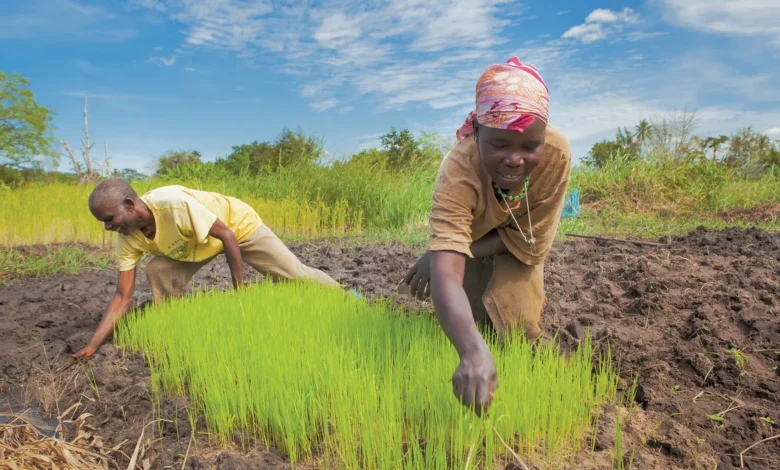
Expect Tanzania GDP growth of 6.1%, supported by the agricultural and mining sectors which are supporting the economic recovery.
Agriculture and mining drive economic growth in Tanzania
GDP is expected to grow by 6.1% in the second quarter, slightly lower than the 6.2% recorded in the first quarter, amid limited repercussions from global economic challenges.
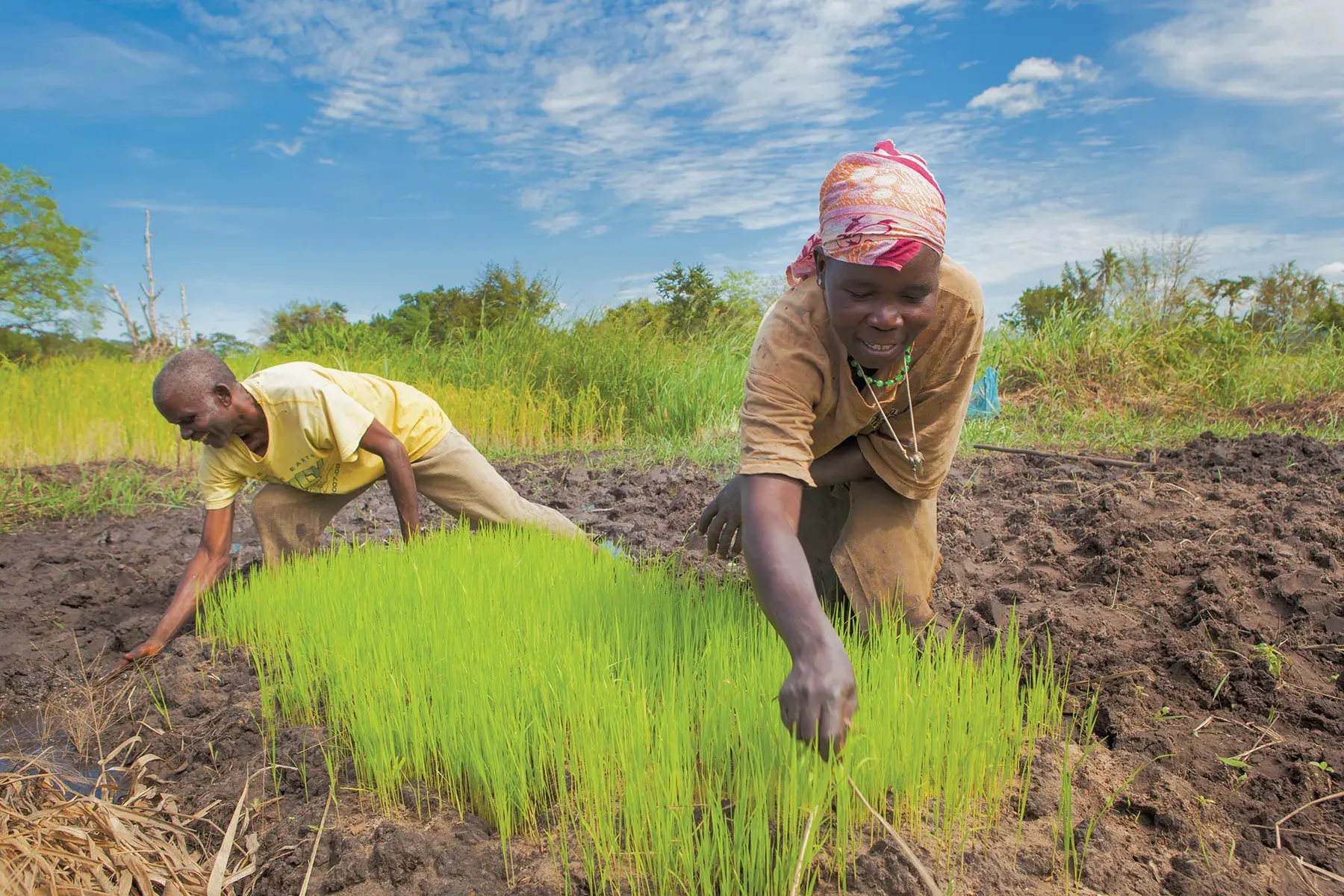
According to the Bank of Tanzania’s April Monetary Policy Statement, the projected growth will be supported by adequate rainfall boosting agricultural output, supportive fiscal policy, improved performance in the mining sector, stable energy supplies, and positive business indicators reflected in the March 2026 CEO Survey and Market Perceptions.
In addition, the prudent monetary policy implemented by the central bank is expected to maintain strong private sector credit growth exceeding 20% on an annual basis.
Agriculture and mining in Tanzania are driving economic growth. 6.1%
The report noted that “domestic growth forecasts are contingent on global economic outlooks, as well as local economic factors.”.
The report added: “The impact of ongoing global developments on the domestic economy is expected to remain moderate, supported by the diversified structure of the economy.”.

Based on assumptions, Zanzibar’s economy is projected to grow by 6.6% in the second quarter of 2026.
Inflation expectations still depend on global and local dynamics. Globally, inflation risks have worsened following the outbreak of conflict in the Middle East.
On the domestic front, an abundance of food supplies, driven by rainfall, along with a stable exchange rate, supported by sufficient foreign reserves, is expected to help alleviate inflationary pressures.
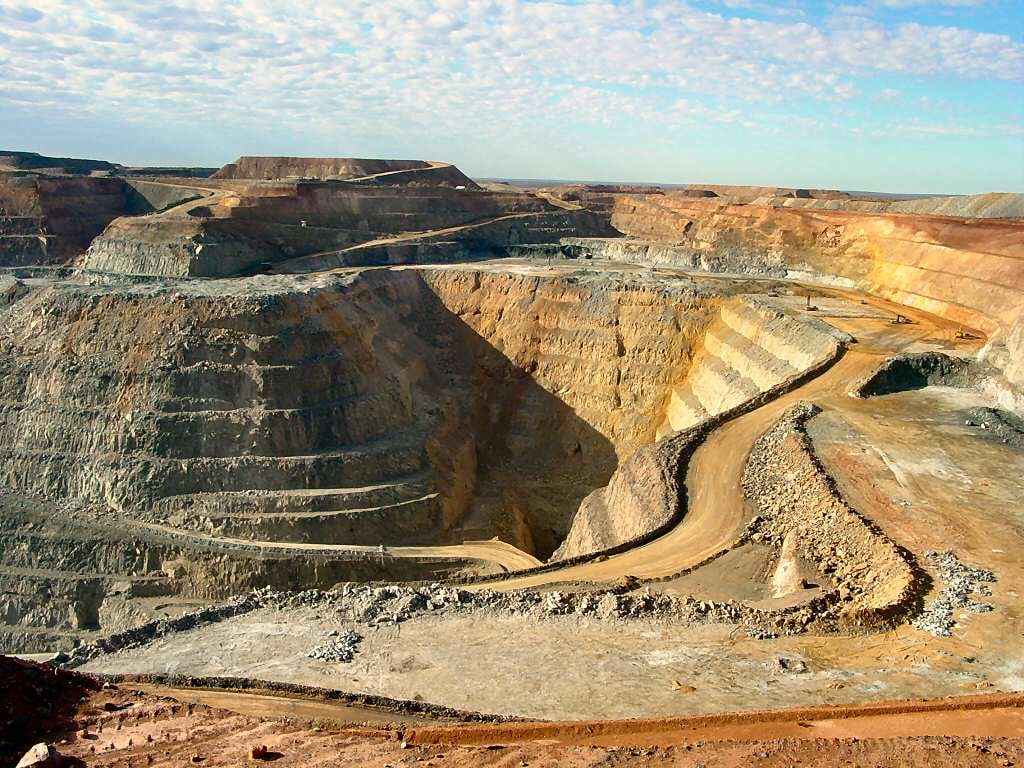
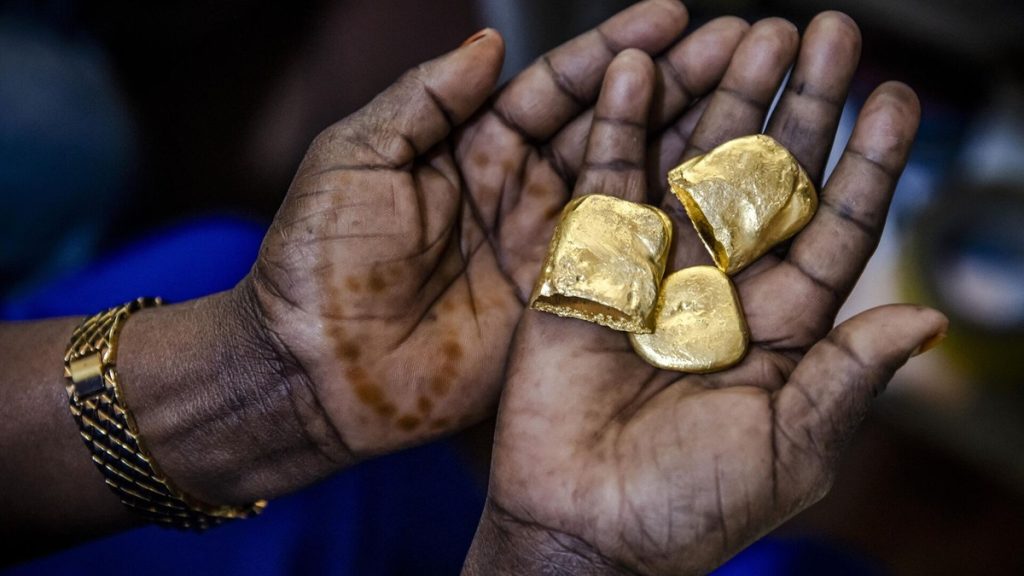
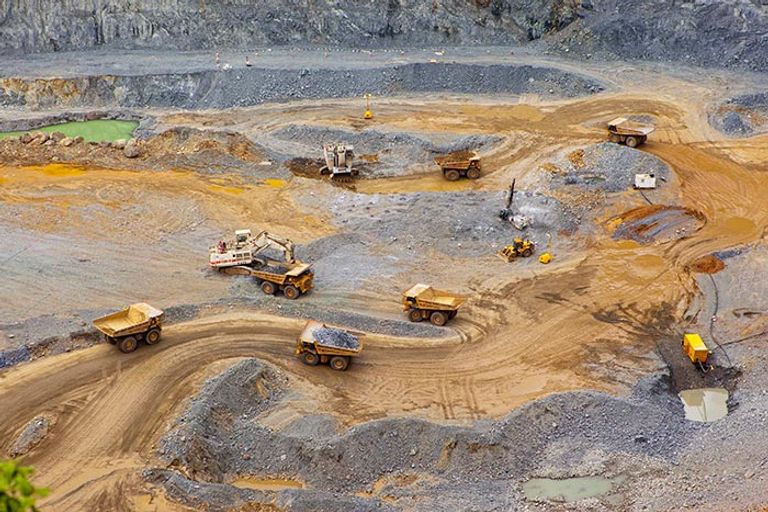
Mining in Tanzania
Accordingly, inflation in mainland Tanzania is projected to reach 3.4% in the second quarter of 2026, remaining within the medium-term target range of 3% to 5%. In Zanzibar, headline inflation is projected to average around 5.4%.
In this context, the Bank of Tanzania’s Monetary Policy Committee decided to maintain the central interest rate at 5.75% for the quarter ending June 2026, noting that this position appropriately balances the risks of inflation and economic growth.
The committee adopted a cautious, wait-and-see approach, aiming to contain potential inflationary pressures while allowing sufficient time to assess the full impact of escalating geopolitical tensions on both inflation and output.
In addition, the Committee narrowed the monetary policy margin from ±200 to ±150 basis points around the central interest rate to enhance the effectiveness of monetary policy and align the seven-day interbank money market (IBCM) interest rate with the central interest rate.
This amendment represents a deliberate step towards enhancing the effectiveness of the monetary policy framework, building on recent successes in stabilizing interbank interest rates, and underscores the central bank’s commitment to orderly interest rate movements and enhancing the credibility of monetary policy.
Accordingly, monetary policy operations will seek to keep the seven-day interbank interest rate within a range of 4.25% and 7.25% around the interest rate set by the central bank.