Malian refugees in Mauritania: Another facet of the tragedy
Malian refugees in Mauritania
Written by Ziad Abdel Fattah:
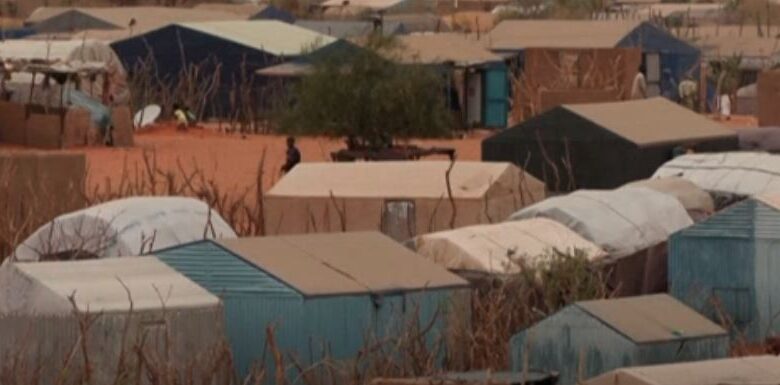
In eastern Mauritania, humanitarian teams are treating Malian refugees suffering from physical injuries And severe psychological trauma, resulting from years of violence that forced hundreds of thousands of them to leave their homes, in a healthcare center.
In the town of Douenkara, Doctors Without Borders is caring for people who have fled from neighboring Mali, where years of violence have forced hundreds of thousands to leave their homes.
Sexual violence affects both women and men.
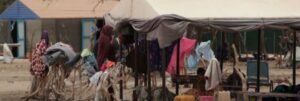
Doctors Without Borders coordinator, Mayuri Savant, said: “We are also witnessing sexual violence affecting both women and men,” “and we have also received testimonies of torture, and some people have told us that others were buried alive.”.
Many refugees have arrived in Mauritania’s eastern Hodh region, fleeing insecurity in northern Mali, where armed groups, military operations and ongoing attacks continue to devastate communities.
Sharifa, whose name has been changed to protect her identity, says that losing her son is still the greatest pain she has suffered.
She adds: “What I feel most and suffer from most deeply is the death of my son,” while another refugee says he hopes to return to his homeland, but only when the violence ends.
He says: “Once they stop killing people and destroying their property, I will return to my money. Even if they spare your life, they will burn everything you own.”.
Returning home depends on lasting peace and improved security.
For thousands of displaced families, returning home will depend on lasting peace and improved security in their communities.
The Republic of Mali is currently going through a very dangerous and complex phase, following a security and political crisis that is the most severe in years, after a wave of coordinated and massive attacks that began in late April and whose repercussions are still ongoing.
The April 25 attacks and the assassination of the Minister of Defense are among the most prominent events currently taking place in Mali, where the country is witnessing a sudden shift in the field. Armed groups launched a series of coordinated and simultaneous attacks that struck several strategic cities in the north and center, reaching the capital Bamako and its suburbs, such as the city of Kati, which houses the largest military barracks in the country.
The recent killing of Malian Defense Minister Sadio Camara in a suicide car bombing that targeted his home is the most serious escalation there, and is considered a major security breach and a shock to the ruling military council.
Two main forces are at work in this crisis, both attacking the army and Russian allies, despite their differing agendas. These forces are the Azawad Liberation Front, a separatist movement with a majority of Tuaregs seeking independence for northern Mali, which has declared its renewed control over the strategic city of Kidal and parts of Gao, and the Group for the Support of Islam and Muslims, an armed organization linked to al-Qaeda, which focuses its attacks on the center and south of the country and the area surrounding the capital, Bamako.