Ugandan coffee exports decline due to falling global prices
Ahmed Salem
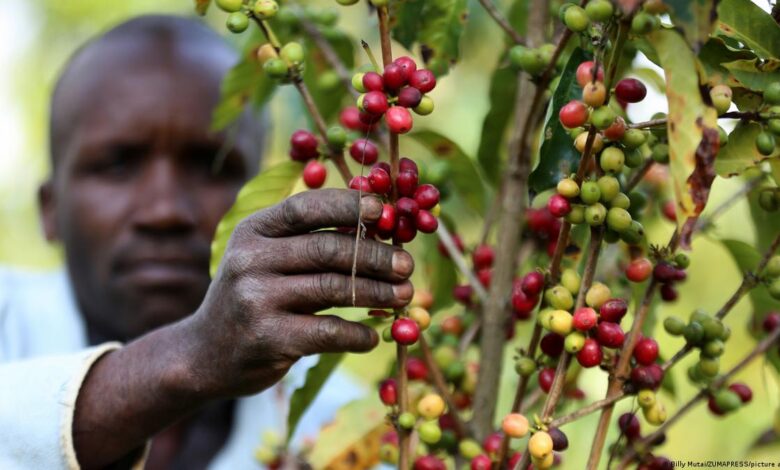
Ugandan coffee export earnings dropped sharply in May as falling global prices and a decline in export volumes negatively impacted the country's main agricultural export.
This decline highlights the extent to which Africa's largest coffee exporter is affected by fluctuations in international commodity markets.
Uganda earned US$151.7 million from coffee exports in May, a decrease of about 38 percent from US$244 million recorded in the same month last year, according to a Friday report by the Ministry of Agriculture.
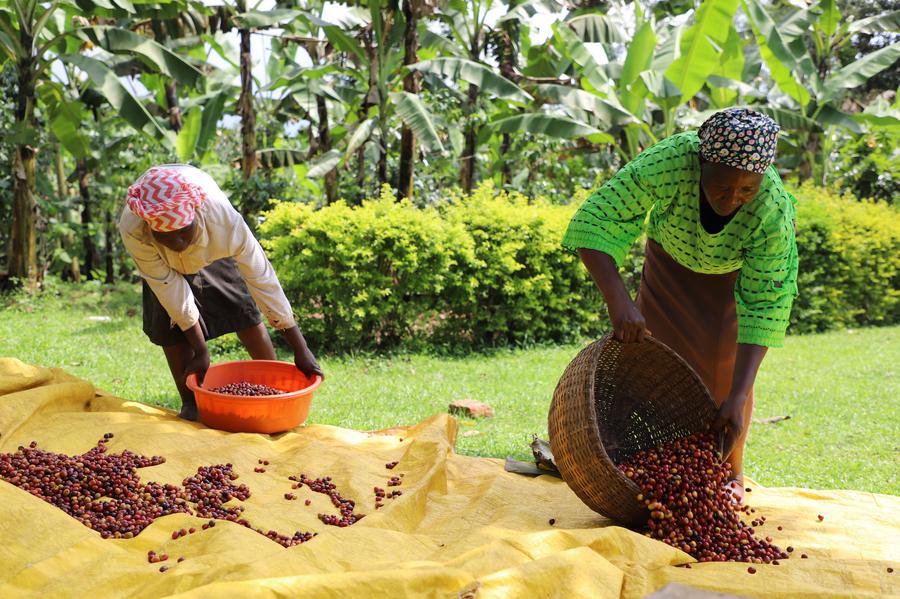
Export volumes also decreased significantly, with the country shipping 617,491 60-kilogram bags compared to 793,445 bags in May 2025, a decrease of more than 22 percent. The ministry did not clarify the reasons for the decrease in export volume.
Global price decline
The decline in profits was driven not only by a decrease in shipments, but also by a drop in global coffee prices after months of high levels.
According to the ministry, prices fell in May as expectations grew for a larger harvest in Brazil, the world's largest coffee producer, easing concerns about global supply shortages that had previously pushed prices to multi-year highs.
Coffee is the economic lifeline
Coffee remains Uganda's largest agricultural export and primary source of foreign exchange, supporting millions of smallholder farmers across the country.
Uganda is the largest coffee exporter in Africa, and it has expanded its production in recent years through government programs that encourage the use of improved seedlings and increase farm productivity.
The country primarily exports Robusta coffee, while Arabica coffee production has also steadily grown.
The government continues to encourage local roasting and processing to increase export revenues and reduce reliance on raw coffee bean exports.
Officials say expanding local value addition will enhance Uganda's standing in international markets while achieving higher returns for the economy.
Market expectations are uncertain
Analysts say global coffee prices will continue to depend on weather conditions in major producing countries like Brazil and Vietnam, as well as shipping costs, currency movements, and global demand.
Despite a weaker performance in May, Uganda's coffee sector remains one of the country's strongest export industries, although recent figures underscore the fragility of export revenues in the face of volatile international commodity markets.