
Equatorial Guinea: A promising investment gateway in the heart of Africa, between oil and new opportunities.
A small country with great potential
Written by Omnia Hassan
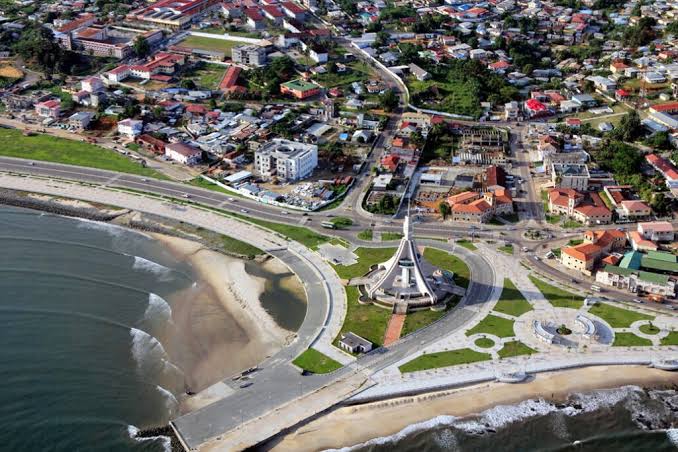
Although it is one of the smallest countries in Africa, Equatorial Guinea has succeeded in establishing its economic presence thanks to its natural resources and strategic location on the Gulf of Guinea.
The country includes a mainland part and a number of islands, most notably Bioko Island, which houses the capital Malabo, while the city of Bata is the largest economic and commercial center.
Equatorial Guinea has a population of about 1.8 million people. Spanish and French are the official languages, along with Portuguese, which gives it an advantage in dealing with European and African markets. It is also a member of the Economic and Monetary Community of Central Africa and uses the CFA franc, which provides a degree of monetary stability.
An oil-led economy and a diversification plan
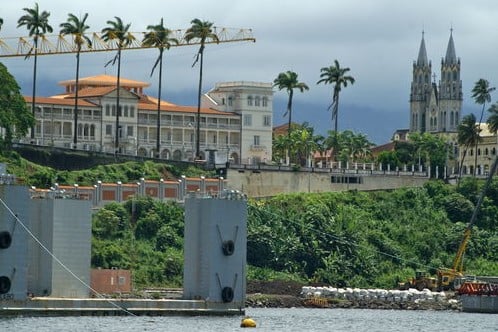
Since the discovery of oil in the 1990s, Equatorial Guinea has become one of the largest oil-producing countries in Africa in terms of per capita income. However, the decline in oil prices has prompted the government to adopt a strategy to diversify the economy through the national development plan “Vision 2035”, which aims to reduce dependence on the energy sector and promote investment in productive sectors.
The government is working to improve infrastructure, develop ports, roads and airports, as well as update economic legislation to attract foreign investors.
Key investment opportunities in Equatorial Guinea
Equatorial Guinea is opening its doors to investors in several promising sectors, foremost among them the oil and gas sector, which remains the main engine of the economy, along with petrochemical industries and energy-related services.
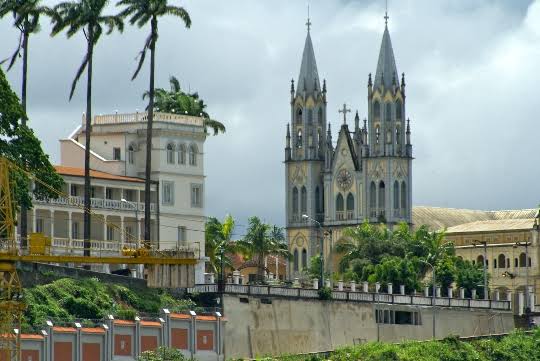
The agricultural sector also offers great opportunities, especially in the production of cocoa, coffee, bananas and palm oil, given that the country has fertile agricultural lands that have not been fully exploited.
In the fisheries sector, the country has coasts rich in fish, making investment in fishing and food processing promising areas. The ecotourism sector is also witnessing increasing interest thanks to the tropical forests, beaches and natural islands that the country possesses.
Business environment and challenges
Despite the opportunities available, Equatorial Guinea still faces challenges related to diversifying the economy, increasing transparency, and strengthening the business climate, along with the need to develop human competencies. However, the government continues to implement economic and legislative reforms in cooperation with international institutions to improve the investment environment and attract foreign capital.
A promising future for investors
Equatorial Guinea today represents an emerging African market, combining natural resources, a strategic geographic location, and ambitious development plans. With ongoing economic reform programs and expanding infrastructure projects, the country appears poised to attract further investment in the coming years, particularly in the energy, agriculture, tourism, and logistics sectors, making it a compelling destination for investors seeking growth opportunities in Africa.


 Arabic
  English
  French