$900 million transforms Angola: China opens a new gateway for economic influence in Africa
New port to support industry
Written by Omnia Hassan:
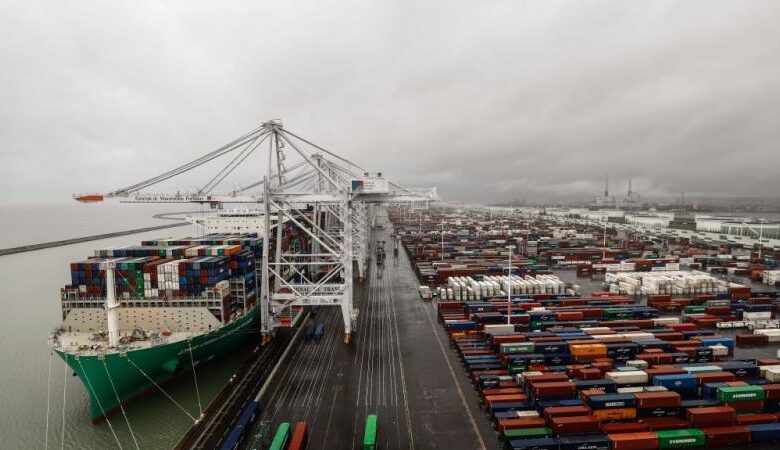
In a race to redraw the investment map in Africa, China continues to expand its economic presence through strategic infrastructure projects, this time through Angola, which has received a huge investment of $900 million to develop the port of Barra do Dande, in a move that reflects the growing shift in Beijing’s strategy within the African continent.
A new port to support industry and exports
The Angolan government signed an agreement with Huatong Angola Industries and its financial partner to develop and operate the Barra do Dande port terminal for 25 years, with the possibility of extending the concession according to the economic performance of the project.
The project is being implemented in three phases extending until 2030, with the first phase costing $450 million, while the remaining value is allocated to the creation of supporting infrastructure, including roads, energy facilities and logistics networks.
A bet on diversifying the economy and creating jobs
Through the project, Angola seeks to reduce its dependence on oil exports, and transform the Barra do Dande area into an industrial and logistical hub serving the free trade zone, and promoting the movement of exports towards regional and international markets.
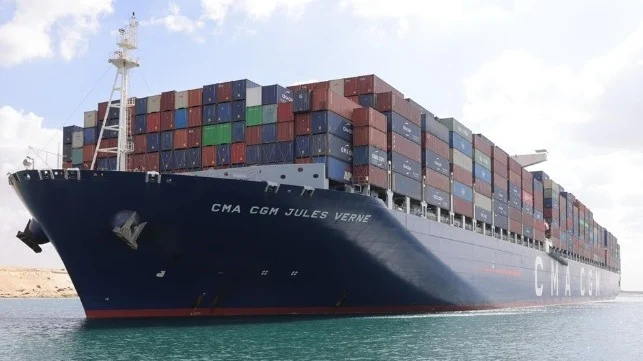
The port is expected to accommodate ships with a capacity of up to 80,000 tons, with projections of generating revenues exceeding $10 billion upon completion of the project, as well as contributing to the creation of approximately 21,000 direct and indirect jobs.
China is strengthening its presence in Africa.
Chinese expansion is not limited to Angola, as a number of African countries are witnessing similar investments in the transport and industry sectors.
In Kenya, a $1.2 billion project is underway to expand Jomo Kenyatta International Airport, while Morocco continues to attract huge Chinese investments in the electric vehicle battery industry, along with the expansion of industrial zones that attract dozens of Chinese companies.
A shift in Beijing's investment strategy
These projects reveal a clear shift in China’s economic policy towards Africa. Instead of relying on huge government loans, Beijing is increasingly turning to foreign direct investment and financing commercially viable private sector projects, which gives African countries modern infrastructure and new industrial opportunities, and in return gives China deeper economic influence within one of the world’s most promising regions.
With continued investment in ports, industrial zones and transport corridors, competition for African markets and resources appears poised to escalate further, turning the continent into a major arena for global economic competition in the coming years.