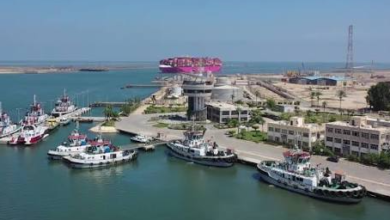
A wealth of 150 trillion cubic feet... How did gas change the future of East Africa?
The region is of interest to major oil companies.
Written by: Mohammed Omran
East Africa is no longer just a promising region in the energy sector, but has transformed in recent years into one of the most important new natural gas production areas in the world, after exploration work off the coasts of Mozambique and Tanzania revealed huge reserves that have redrawn the map of global energy investments.
With the increasing global demand for liquefied natural gas, especially after the transformations witnessed in international energy markets, the region has become the focus of attention for major oil and gas companies, which have poured billions of dollars into new projects aimed at transforming East Africa into a major gas export hub over the next decade.
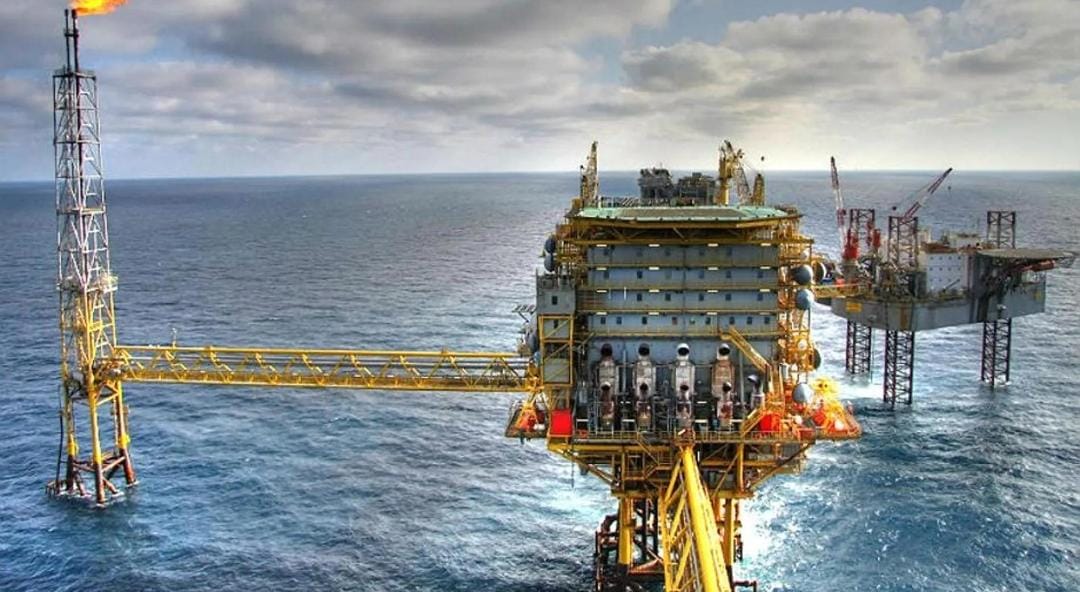
Mozambique is leading this boom after the discovery of huge reserves in the Rovuma Basin estimated at more than 100 trillion cubic feet of natural gas, making it one of the largest global discoveries in recent decades.
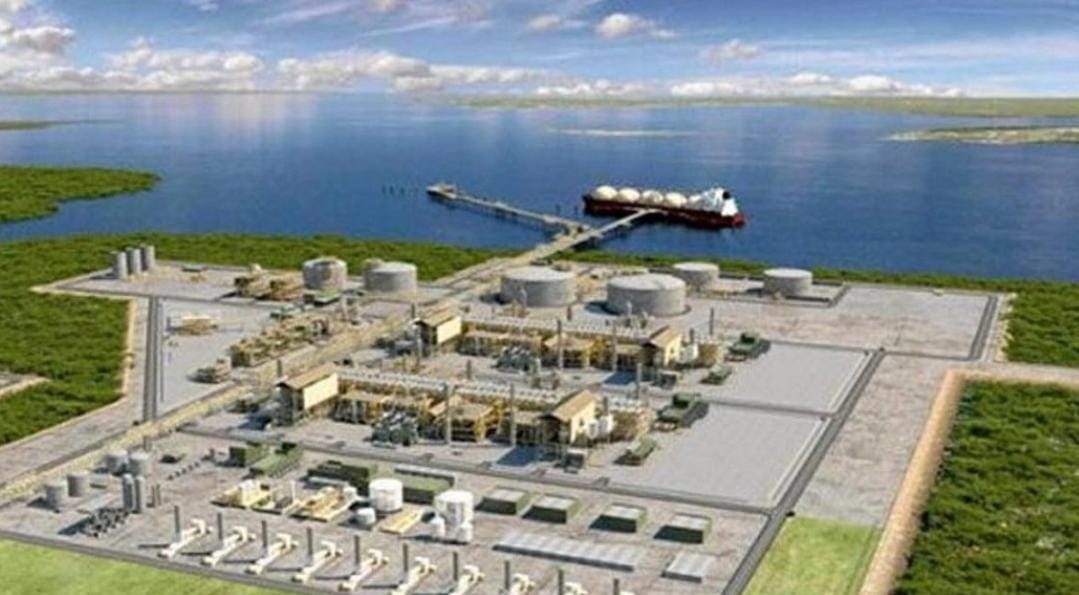
This transformation is being spearheaded by the Mozambique LNG project, developed by TotalEnergies with investments of approximately $20 billion, which aims to produce around 13 million tons of liquefied natural gas annually.
After the project was halted since 2021 due to armed attacks in Cabo Delgado province, the company and the Mozambican government announced in early 2026 the resumption of construction work, with the aim of starting exports in 2029.
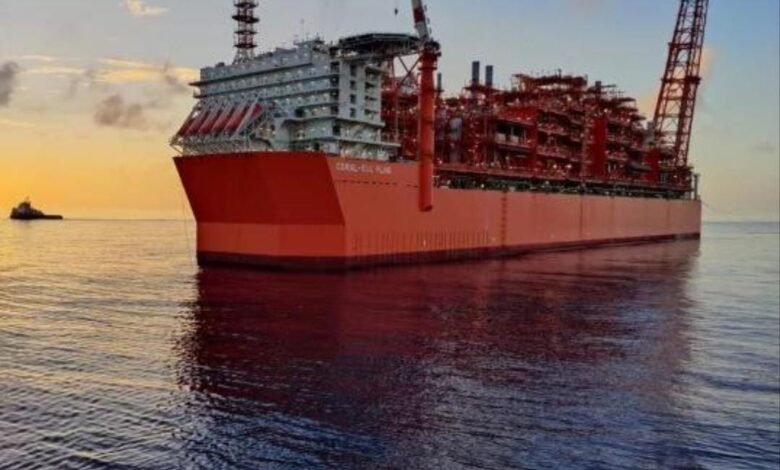
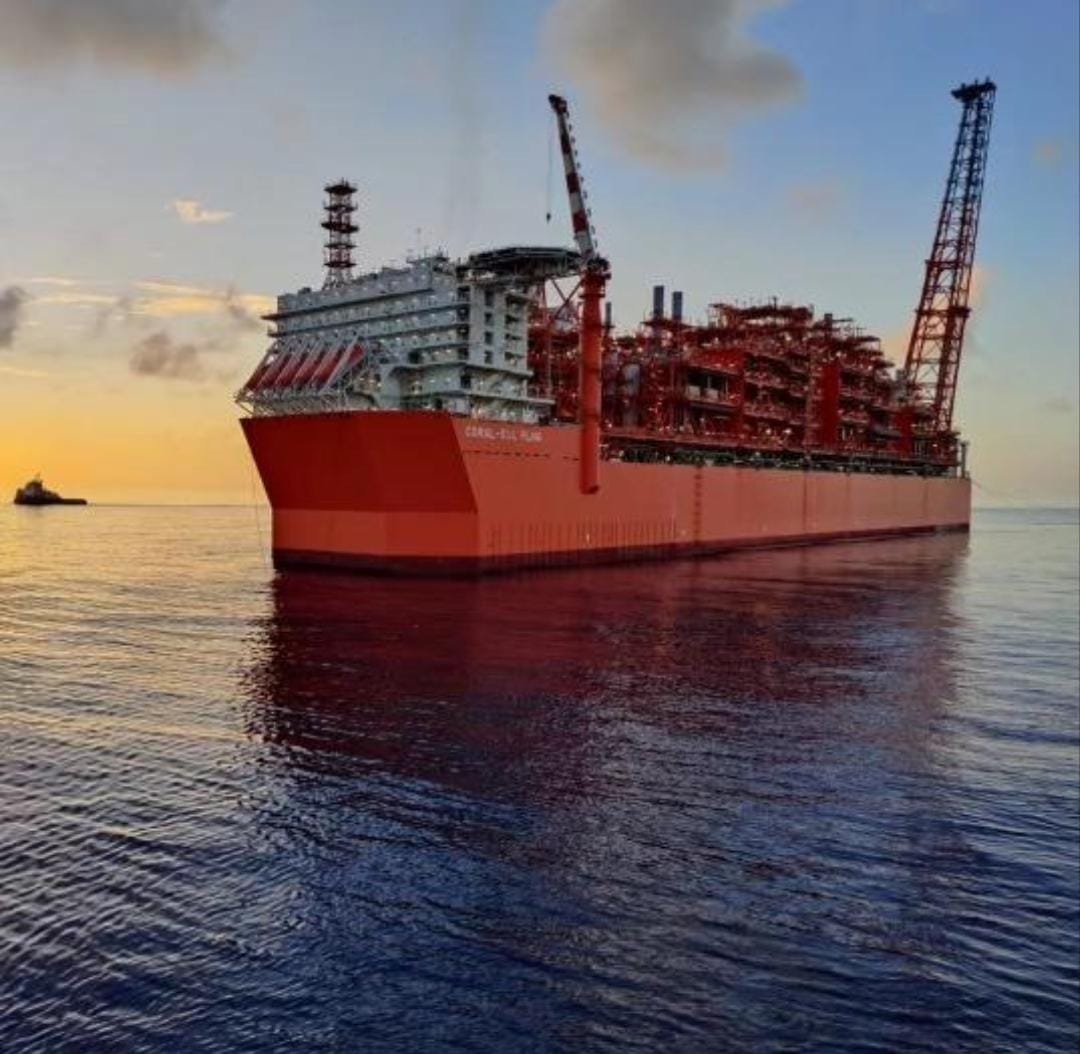
Activity in Mozambique is not limited to the Total project, as ExxonMobil is developing the Rovuma LNG project, while Eni continues to expand its floating gas projects, with the Coral Norte FLNG project entering the implementation phase. The company is also considering the construction of a third floating production platform following the success of the Coral South project.
Estimates suggest that the Rovuma Basin, which stretches between Mozambique and Tanzania, has reserves ranging from 160 to 200 trillion cubic feet, making it one of the world's largest untapped gas basins.
In contrast, Tanzania is seeking to exploit its reserves of approximately 47 trillion cubic feet of natural gas through a massive liquefied natural gas (LNG) project valued at around $42 billion, the largest in the country's history. The project is being led by a consortium including Shell and Equinor, along with other international partners. In 2026, the Tanzanian government announced that it was nearing the completion of legal and commercial negotiations for the project, paving the way for the signing of the final agreement and the commencement of construction, with production expected to begin within approximately eight years.
Discoveries at a crucial time
The importance of these discoveries comes at a time when the world is witnessing a redrawing of the natural gas trade map, after energy market turmoil prompted many countries, especially in Europe and Asia, to seek new sources of supply away from traditional areas of tension.
East Africa has become a strategic option thanks to its location overlooking the Indian Ocean, which allows for easy export of gas to Asian and European markets, in addition to the huge reserves that the region possesses.
The figures reflect the scale of the global bet on the region, as energy sector estimates indicate that Africa will attract huge investments in oil and gas projects during 2026, with a large portion of these investments concentrated in the east of the continent.
Gas projects in Mozambique and Tanzania represent some of the biggest new investment opportunities. Experts assert that these projects will contribute to strengthening global energy security at a time when the gas market is witnessing increasing competition among major producers.
Despite these opportunities, challenges remain. Mozambique faces security challenges in the north of the country, and mega-projects suffer from high implementation costs, the need to develop ports, infrastructure and transport networks, as well as demands from local communities to obtain a larger share of the revenues from gas wealth, in addition to the environmental pressures associated with the expansion of the fossil fuel industry.
Analysts believe that the success of these projects could change the economic future of East Africa by increasing exports, boosting government revenues, creating thousands of jobs, and transforming the region into one of the world's most important centers for liquefied natural gas production.
But they emphasize that achieving these gains will remain linked to the ability of governments to manage revenues, improve infrastructure, and provide a stable environment for investment, so that natural wealth is transformed into economic development that citizens can feel, and not just numbers in international energy reports.