A devastating blow to the Ebola fight: Africa loses $210 million
Amid an outbreak of a deadly strain with no vaccine
Written by Omnia Hassan
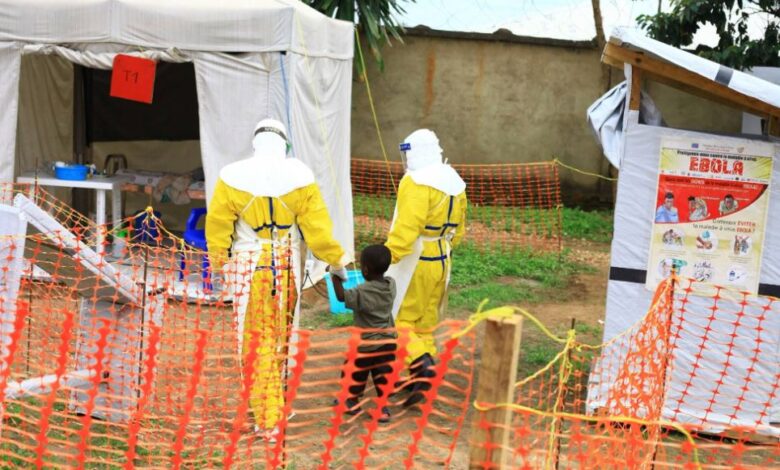
The African continent faces a growing health challenge following a sudden decline in funding allocated to combating the pandemic. virus Ebola, at a time when the Democratic Republic of Congo and Uganda are experiencing the spread of a rare and dangerous strain of the virus for which there is still no approved vaccine or treatment.
A sharp decline in international financing
The Africa Centres for Disease Control and Prevention announced that financial pledges to support emergency response efforts have dropped from about $500 million to $290 million in just a few days, meaning more than $210 million earmarked for combating the current outbreak has been lost.
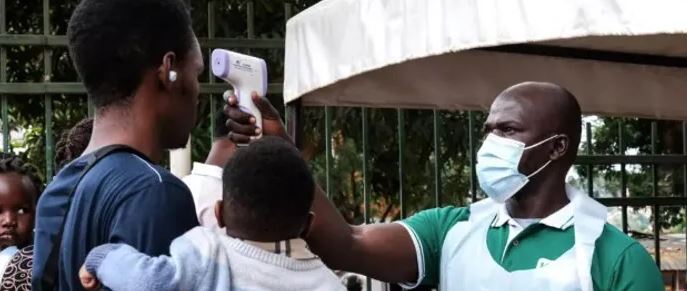
The center's director general, Dr. Jane Cassia, warned that this decline directly threatens containment efforts, especially given the growing need to strengthen health monitoring, rapid isolation, and contact tracing capabilities.
A rare strain is causing concern
The current outbreak is centered around the rare “Bundibugyo” strain of Ebola virus, which is different from the “Zaire” strain for which vaccines and treatments have been developed in recent years.
Health experts emphasize that the absence of approved prevention and treatment methods makes the speed of field response the decisive factor in limiting the spread of the disease.
According to the latest health data, Congo has recorded more than 1,077 suspected cases and 246 suspected deaths, while Uganda has confirmed several infections, prompting the World Health Organization to raise its alert level and closely monitor developments.
Risks that exceed health limits
The repercussions of the outbreak are not limited to the health aspect only, as the affected areas are located in a region that witnesses cross-border trade and migration, which increases the likelihood of the infection spreading to other countries, and some governments have already begun to tighten health screening procedures and impose temporary restrictions on travel.
Growing economic threat
Economists warn that the continued Ebola outbreak could disrupt trade, tourism and investment in the region, placing an additional burden on African economies already facing debt challenges and slowing growth.
Race against time
With historically high mortality rates for the Bundibugyo strain ranging from 30 to 50%, health officials stress that the coming hours will be critical. While institutions such as the World Bank and the African Development Bank have quickly redirected some resources to support the response, urgent funding is needed to prevent the current outbreak from becoming a widespread regional crisis that threatens the health of millions and the stability of African economies.