Tanzania adopts a $24 billion fiscal year budget to support economic growth
The Tanzanian government is focusing on investment in energy, education, and health.
Written by: Mohamed Ragab
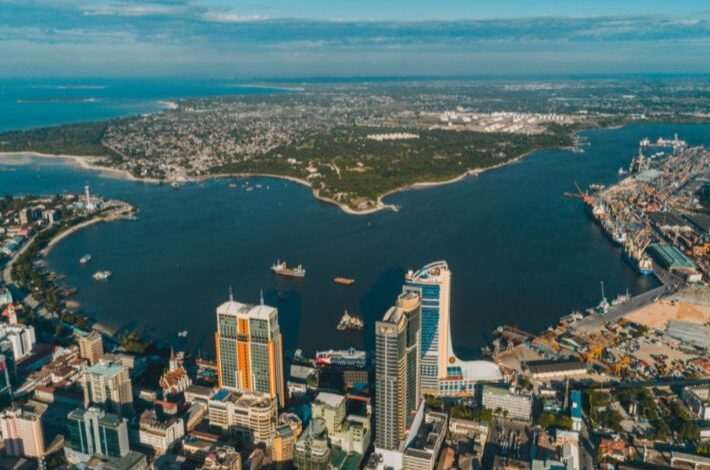
The Tanzanian government has announced the adoption of a huge general budget for the fiscal year 2026/2027, worth 62.3 trillion Tanzanian shillings, equivalent to about 24 billion US dollars, in a move that reflects the country’s ambitions to boost economic growth, improve basic services and support the path of sustainable development during the coming years.
This budget is one of the largest in Tanzania’s history, through which the government seeks to accelerate the implementation of its development plans and achieve its economic goals, amid expectations of increased government investments in vital sectors that represent key pillars of economic growth and stability.
Infrastructure is at the top of the new budget's priorities
According to the directions announced by the government, a large share of the budget will be allocated to the implementation of infrastructure projects, including the development of road and railway networks, ports and airports, with the aim of improving the movement of internal and external trade and enhancing connectivity between different regions.
The government believes that investment in infrastructure is one of the most important economic drivers capable of attracting foreign investment and creating new job opportunities, as well as supporting productive activities in various economic sectors.
The budget also includes additional funding for energy projects aimed at increasing production capacity and improving access to electricity in rural and remote areas, which will contribute to supporting industrial development and stimulating economic activity.
Developing water services and investing in human capital
In addition to infrastructure and energy projects, the new budget has given special attention to the water sector, as the government plans to expand supply networks and improve the quality of services provided to citizens, especially in areas suffering from a lack of water resources.
The government also focuses on developing human capital as one of the most important factors for long-term development, by increasing spending on education, health care, vocational training programs and skills building.
Tanzanian authorities are seeking to improve the quality of education and health services, and to prepare young people for the labor market, which will contribute to boosting productivity and achieving more sustainable economic growth in the coming years.
Investments aimed at accelerating economic growth
The Tanzanian government hopes that these huge financial allocations will contribute to accelerating the pace of economic growth and improving the standard of living of citizens, as well as enhancing the efficiency of public services and providing a more attractive environment for local and foreign investment.
Economic experts believe that focusing on infrastructure, energy, and human resource development will enhance the Tanzanian economy's ability to meet global and regional challenges, and will support the country's competitiveness within African and international markets.
Tanzania is banking on development to attract investors.
The new budget comes at a time when Tanzania is seeking to strengthen its position as one of the fastest-growing economies in East Africa, benefiting from its strategic location and large natural resources.
The government is betting that the planned investments will improve the business environment and increase investor confidence, thus opening the door to new investment flows that support economic development and provide additional job opportunities, within a vision aimed at achieving inclusive and sustainable growth that benefits all segments of society.