Written by: Ayman Ragab
Certain features have become almost constant in World Cup tournaments: Shakira’s rousing songs, the emergence of an “unexpected dark horse story” of an unexpected team (as happened with Croatia in 2018 and Morocco in 2022), and the recurring controversy over national identity, which is often directed at European footballers of African descent.
After missing two penalty kicks during France's loss to Argentina in the 2022 World Cup final, Aurélien Tchouaméni and Kingsley Coman, both black players, were subjected to criticism regarding their French identity, along with a barrage of racist abuse online. Mario Balotelli, who is of Ghanaian descent, faced a similar experience after Italy's exit from the group stage of the 2014 World Cup.
African players in European national teams at the World Cup
These hostile feelings were also manifested in a mocking chant by Argentina fans against France during the 2022 World Cup, which was then repeated by the Argentine team two years later, in reference to the African origins of the French players.
Such rhetoric is expected to be repeated with the participation of 48 teams in the 2026 World Cup, which will see a large number of European players of African origin, whether current stars such as Bukayo Saka from England, Kylian Mbappe and Ousmane Dembele from France, or rising talents such as Lamine Yamal from Spain, Jeremy Doku from Belgium, and Rayan Cherki from France.
The presence of European players of African origin in the World Cup dates back to the 1930s, and one of the first was Raoul Diané of Senegalese origin, the first black player to represent France. However, waves of African immigration after colonialism, starting in the 1950s, especially with the labor shortage after World War II in countries such as France and the United Kingdom, contributed to the greater prominence of this presence. In this context, Eusebio da Silva Ferreira immigrated from Mozambique to Portugal in 1960, and shone in the 1966 World Cup, winning the Golden Boot award.
In the 1990s, Europe experienced a new wave of migration due to economic and political crises in Africa. Among these migrants was Fatima Nasraoui, the grandmother of Lamine Yamal, who moved from Tangier to Spain in 1990 and settled in Barcelona.
These migrations have had a significant impact on world football, as evidenced by France's 1998 World Cup victory with an ethnically diverse team that included players of African descent such as Zinedine Zidane, Patrick Vieira, and Marcel Desailly, a team that was nicknamed "Black-White-Arab".
Racism despite playing with sincerity
However, this diversity was not universally accepted. Far-right French politician Jean-Marie Le Pen criticized the team, arguing that it did not represent "real" France—a statement reflecting the deep-seated racism that continues to plague players of African descent. In contrast, white players of non-European origin rarely face such criticism.
Beyond racism, this phenomenon reflects the difficulty of accepting the concept of multiple national identities in the contemporary world, as well as the rise of anti-immigrant rhetoric in Europe and North America, including policies such as the visa restrictions imposed by the Trump administration on some 20 African countries, which may affect the participation of some players in the 2026 World Cup to be held in Canada, Mexico and the United States.
Despite these challenges, European players of African descent stand out as some of the biggest stars of the 2026 World Cup, with many of them offering different models for dealing with their multiple identities:
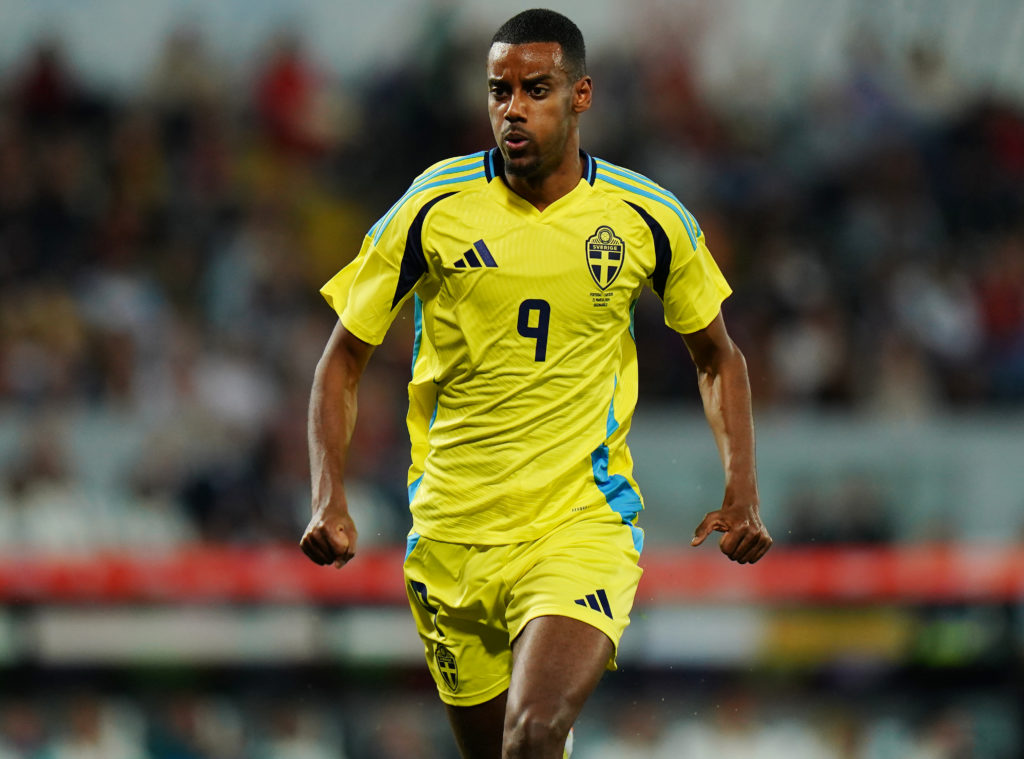
Alexander Isaac | Sweden (Eritrea)
Born in Stockholm to Eritrean parents who emigrated in the 1980s, he considers himself connected to both countries, and stated in 2025 that each holds a special place in his heart. Despite injuries, he remains Sweden's most prominent player in their thirteenth World Cup appearance.
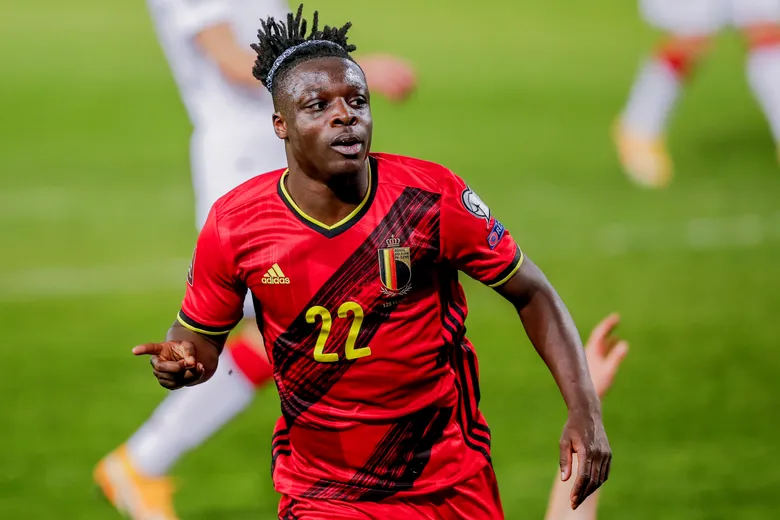
Jeremy Doku | Belgium (Ghana)
Born in Antwerp to Ghanaian parents, he emphasizes his connection to his native culture, speaking the Tui language and maintaining ties with the Ghanaian community. The 24-year-old hopes to achieve success with Belgium in his first World Cup appearance.
Bukayo Saka | England (Nigeria)
Born in London to Nigerian parents, he has repeatedly expressed pride in his roots and considered his choice to represent England a difficult decision. He was subjected to racist abuse after the Euro 2024 final, but he continued to shine, contributing to Arsenal's Premier League title win after 22 years, and is expected to be a crucial element in England's quest to win its first title since 1966.
Ryan Chergui | France (Algeria)
Born in Lyon to Algerian and Italian parents, he explained that his connection to his Algerian roots came as a result of his closeness to his mother's family. His choice to play for France has sparked controversy, especially since he did not receive an official offer from the Algerian Football Federation. The 22-year-old hopes to make his mark in his first World Cup appearance.
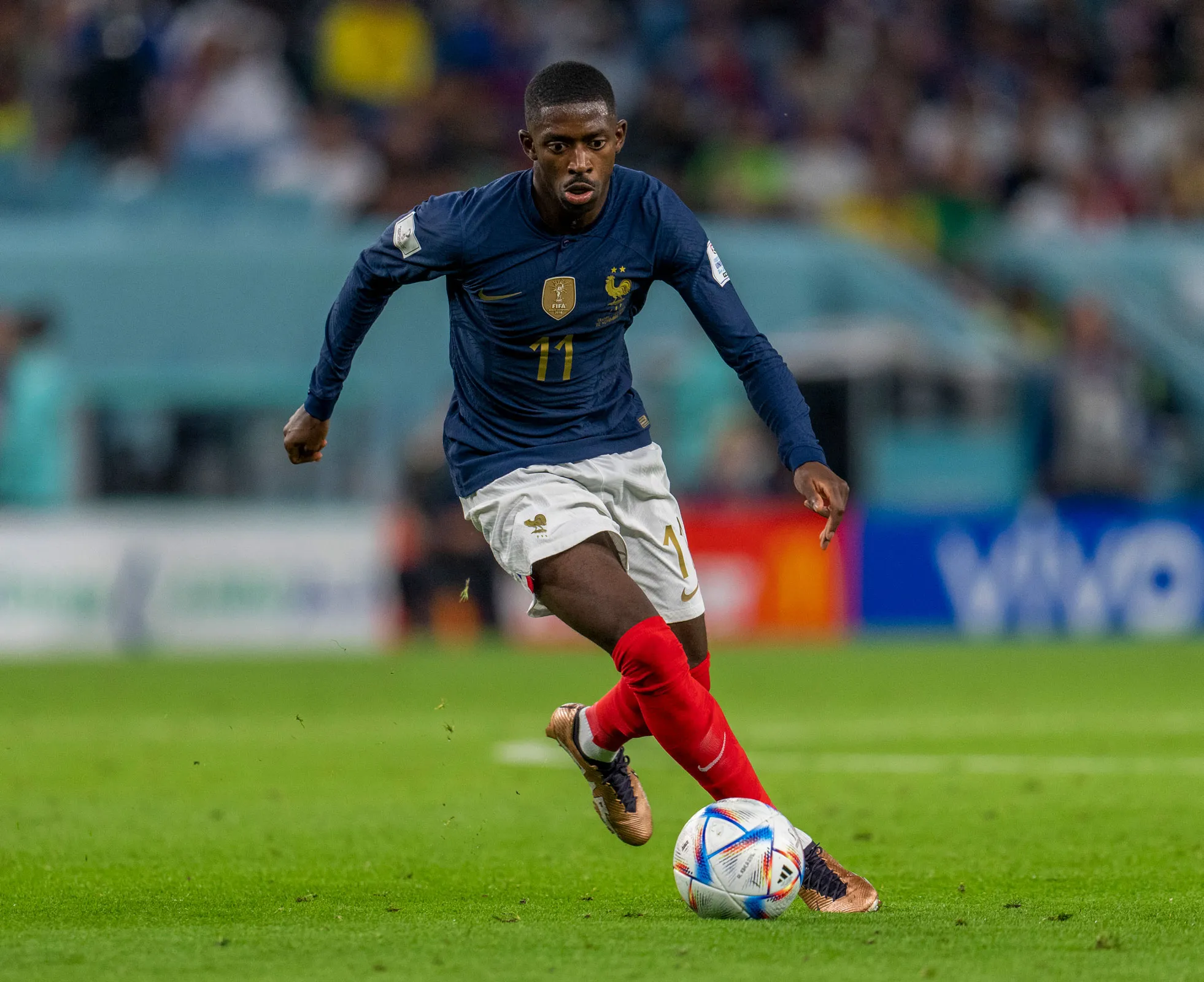
Ousmane Dembélé | France (Mauritania/Senegal/Mali)
Born in Vernon to multiple origins, he expressed his connection to his roots through humanitarian initiatives, including building a mosque in Mauritania. He won the 2025 Ballon d'Or and aspires to deliver a strong performance with the French national team.
Kylian Mbappe | France (Cameroon/Algeria)
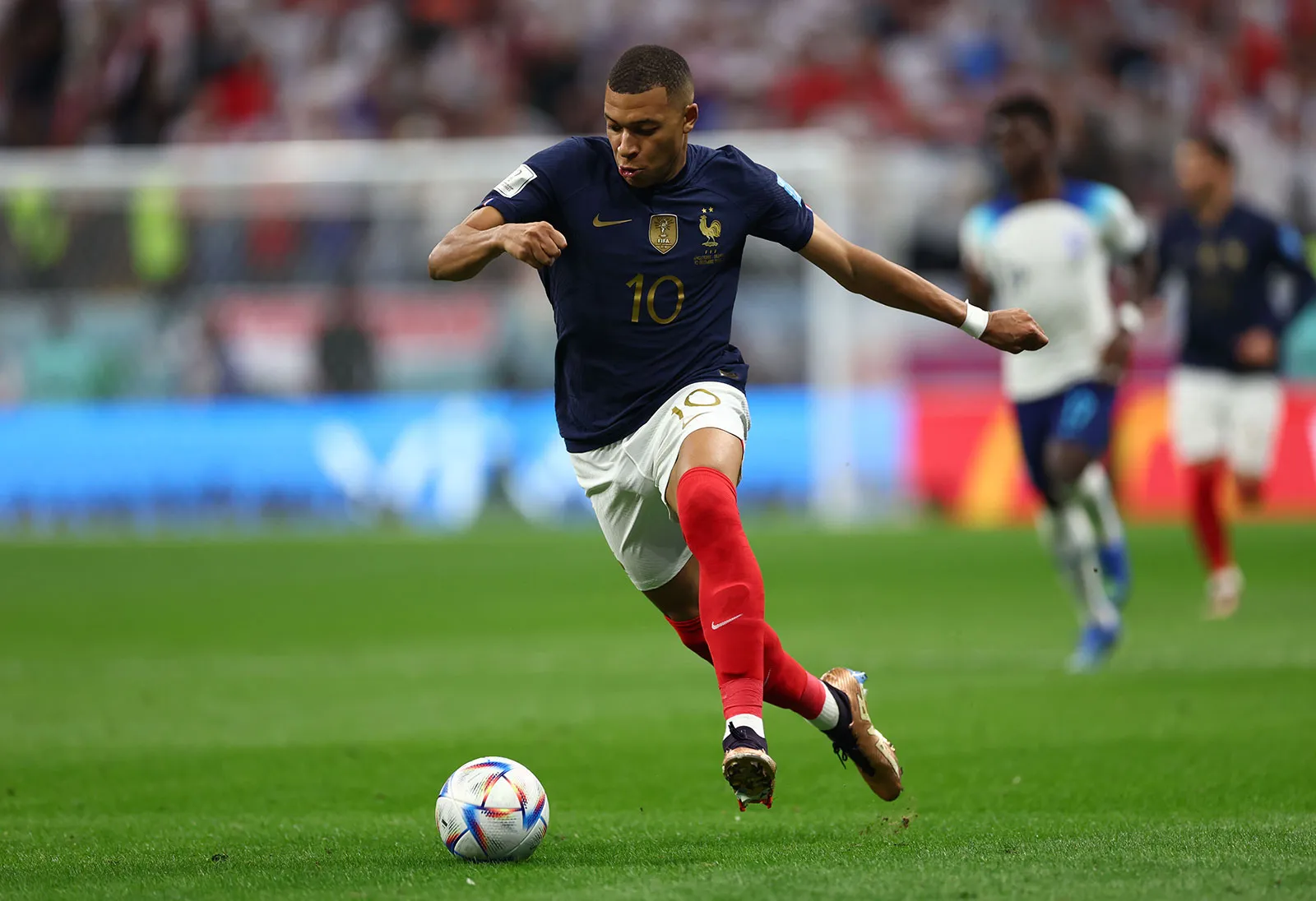
Born to a Cameroonian father and an Algerian mother, and raised in the suburbs of Paris, he has repeatedly affirmed his pride in his French heritage and identity, stating that he would have chosen Cameroon if he had not played for France. He has also criticized the far right in his country and, after winning the title in 2018 and coming close in 2022, is aiming for another title in 2026.
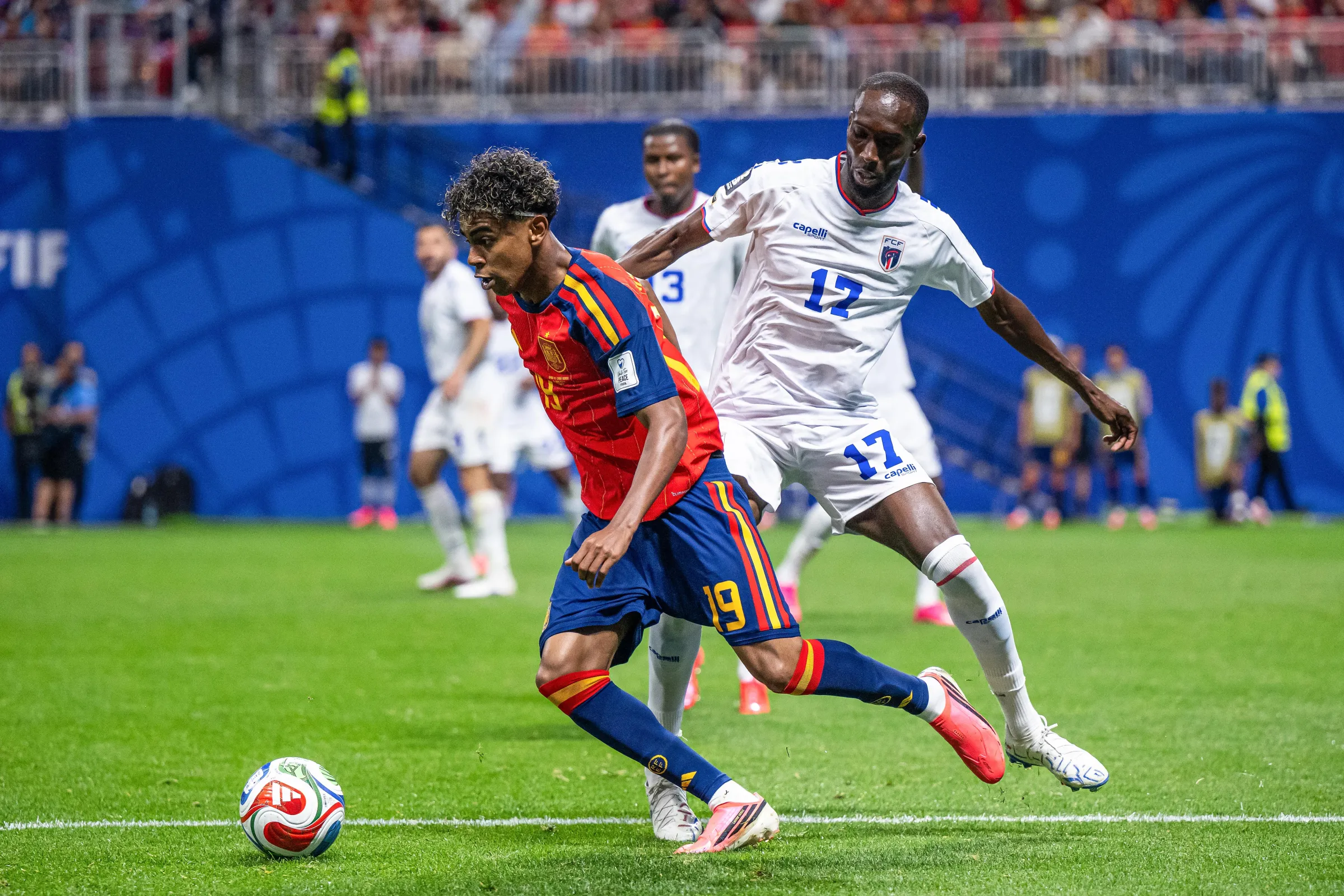
Lamine Yamal | Spain (Morocco/Equatorial Guinea)
Born in Catalonia to a Moroccan father and a mother from Equatorial Guinea, he had difficulty choosing a national team before deciding to represent Spain. After shining at Euro 2024 and winning the Spanish league title twice with Barcelona, he is seen as one of the most prominent stars of the future and could have a decisive role in Spain's quest to win its second title.
Ultimately, these stories reflect the challenges faced by players of diverse origins, but they also confirm that football has become a mirror to a more diverse and complex world, where identity is no longer a fixed concept, but a multidimensional experience… Quoted from OkayAfrica.