The Sudanese Journalists Syndicate: “The war has destroyed the media sector and looted more than 60 institutions.”
A number of media institutions have shut down

The Journalists Syndicate announced Sudanese The war in Sudan has caused a large number of media institutions to cease operations, in addition to the destruction or looting of more than 60 institutions, which has led to a sharp decline in the performance of the media sector and disrupted its role in reporting events.

The union stressed that these losses directly affected the ability of journalists to carry out their work, in an extremely dangerous environment that lacks the minimum requirements for professional work.
Documenting more than 500 violations
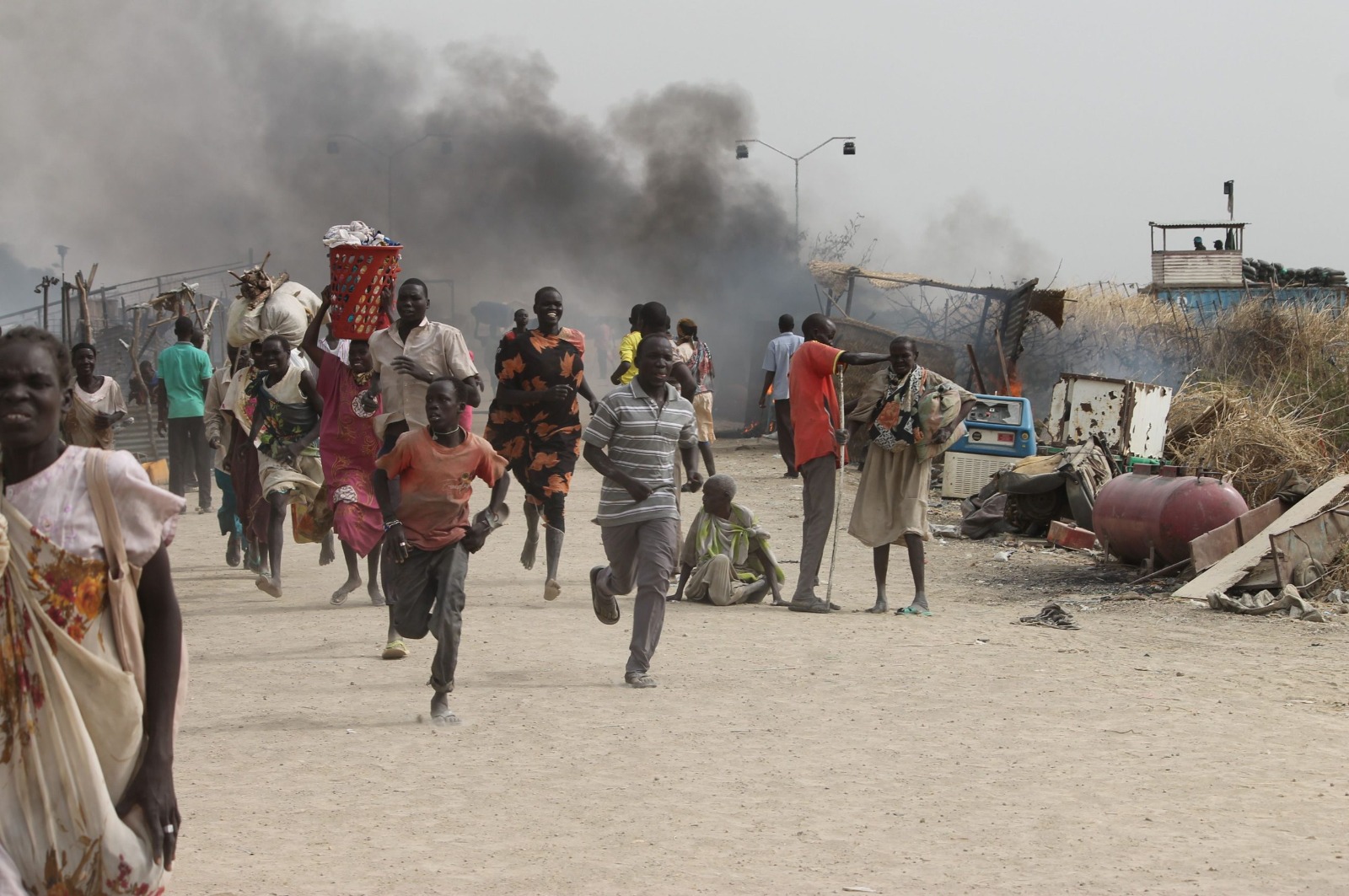
The union explained that it had documented more than 500 violations targeting media institutions and their employees, reflecting the scale of the challenges faced by journalists while covering the developments of the war.
These violations included multiple forms, including direct attacks, restrictions on the freedom of journalistic work, and practices that threaten the safety of journalists while performing their duties.
The union noted that the war has resulted in the deaths of more than 35 journalists, amid escalating risks surrounding media work in conflict zones.
This figure reflects the extent of the risks faced by journalists, especially with the lack of adequate protection and the continued targeting of media workers.
Arrests and enforced disappearances
The union added that a number of journalists remain in detention, while others are among the forcibly disappeared, raising growing concerns about their safety and fate.
She stressed that these practices represent a clear violation of press freedom and human rights, and call for international action to protect journalists and ensure their safety.
In closing, the union stressed the importance of taking urgent measures to protect journalists and media institutions, and to ensure the continuation of journalistic work under the current circumstances.
It also called for the need to respect freedom of expression and the right to access information, as they are fundamental pillars of any society seeking stability and development.