Mohamed Diop leads a $250 million investment to boost Tanzania's graphite industry.
Investing in the graphite industry
Written by: Ayman Ragab
Tanzania is ranked among the world's leading countries in terms of graphite reserves, with high-quality deposits concentrated mainly in the central and southeastern regions of the country, including Lindi, Morogoro and Tanga.
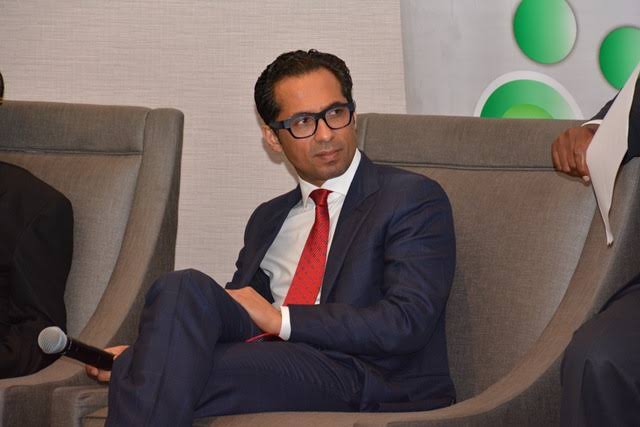
Tanzanian billionaire Mohammed Dewji announced last week that his group plans to operate a graphite processing plant in Tanzania “by next year,” with an annual production capacity of up to 50,000 tons, with the aim of meeting the needs of international markets.
This came during a speech he delivered at the opening of the “Open Africa 2026“ conference, organized by Standard Bank of South Africa in Cape Town on July 9 and 10, where he said: ”We plan to operate a processing plant capable of producing about 50,000 tons of graphite annually, with a purity of about 95%.”.
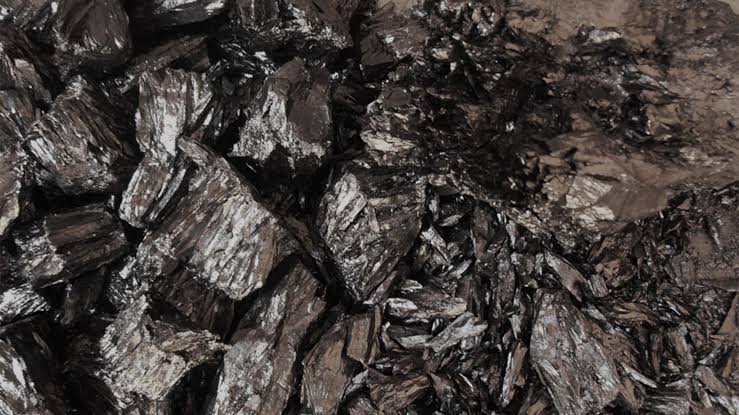
The MeTL Group President added: “Our medium- and long-term ambition is to invest around $250 million to produce graphite with a purity of up to 99.5%, the grade used in battery manufacturing, thereby creating greater added value within Africa and supplying global markets.”.
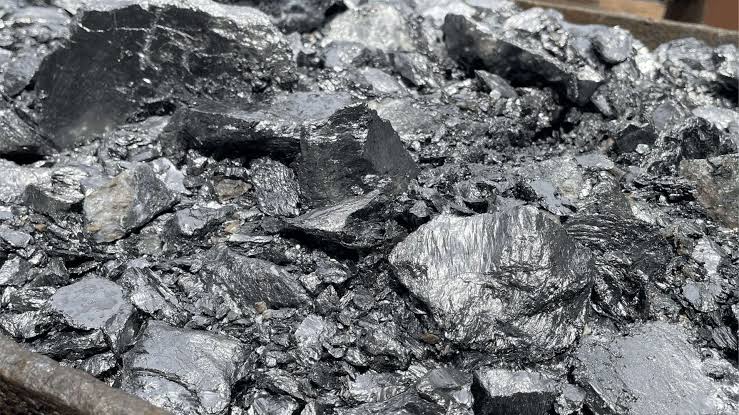
Graphite is an important strategic mineral thanks to its properties of electrical conductivity and heat resistance. It is widely used in the manufacture of electric batteries, heat-resistant materials, lubricants, and electrodes, along with many industrial and technological applications.
Enhancing added value before export
According to data from the African Development Bank, Africa is becoming increasingly important in the global graphite supply chain. The continent possesses approximately 241 TP3 tf of known natural graphite reserves, making it a significant player in challenging China's dominance of this market. Madagascar, Mozambique, and Tanzania currently hold the largest graphite deposits on the continent, while other African countries continue exploration activities.
In this context, Dewji stressed that the true value of this resource is not only related to the extraction processes, but extends to the processing and manufacturing stages.
He said: “Today, the world is paying increasing attention to Africa’s vital minerals, and some have seen this as a new rush towards the continent’s resources. But this time, Africa should tell a different story. Governments across the continent are increasingly encouraging local manufacturing and value addition, recognizing that true prosperity comes from creating more value before exporting. At MeTL, this principle guides our investments in the graphite sector.”.
Dewji, who is considered the richest man in East Africa, was recently estimated to have a net worth of approximately US$2.1 billion, according to Forbes magazine.