Strategic shift: Mali withdraws its recognition of the "Sahrawi Republic" | What's happening?
Bamako's decision redraws the balance of African positions
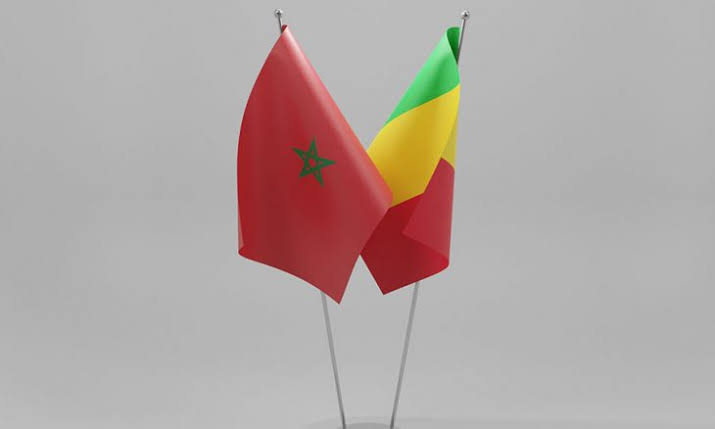
In a move described as a major diplomatic turning point in the conflict over the Moroccan Sahara, Mali officially announced the withdrawal of its recognition of the so-called ”Sahrawi Republic” declared by the Polisario Front from the Tindouf camps, in a decision expected to have broad repercussions on the positions of West African countries towards this sensitive issue.
The financial decision did not come in a passing context, but was issued within an official statement from the Ministry of Foreign Affairs and International Cooperation, which confirmed that Bamako has deep-rooted historical relations with Morocco based on brotherhood, friendship, mutual respect, fruitful cooperation and active solidarity, a description that carries political implications that go beyond traditional diplomatic language.
Historical relations evolving into a strategic partnership
The financial statement indicated that solidarity between the two countries has been demonstrated on several occasions, both bilaterally and within the multilateral forums to which both parties belong. This affirmation reflects a clear desire to elevate relations from the level of traditional cooperation to a strategic partnership with deeper political, economic and security dimensions.
The Malian government also welcomed the holding of the next session of the Joint Cooperation Committee in the capital, Bamako, before the end of 2026, in a practical indication that the political decision will be followed by an intensive activation of field cooperation pathways.
What are the implications of the decision?
This development carries several important implications in the context of the shifts in African positions on the Western Sahara issue:
- Strengthening the Moroccan position within Africa: The decision reflects the success of Moroccan diplomacy in building alliances based on mutual interests and shared development, an approach that Rabat has strongly adopted over the last decade on the continent.
-Reduced recognition of the separatist entity: The withdrawal of a country of Mali’s political and security size in West Africa represents a new blow to the Polisario’s rhetoric within the African Union, and reinforces the general trend towards a number of countries reviewing their previous positions.
A message to the countries of the Sahel and West Africa
Mali is a key player in the Sahel region, and its decision may encourage other countries in the region to reassess their positions, especially given the growing Moroccan presence in the infrastructure, banking, energy and agriculture sectors in these countries.
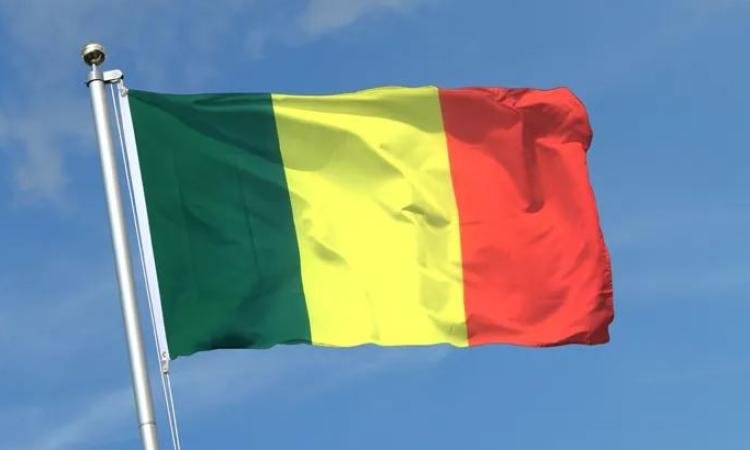
changing regional context
The financial decision comes at a time when the region is undergoing profound political and security transformations, as the Sahel countries seek reliable partners capable of providing sustainable development and security support. In this context, Morocco has emerged as an African player that adopts an approach based on investment, development, and the transfer of expertise.