“Resettlement of migrants” sparks popular outrage in Libya
Irregular migration to Libya
Written by: Ayman Ragab
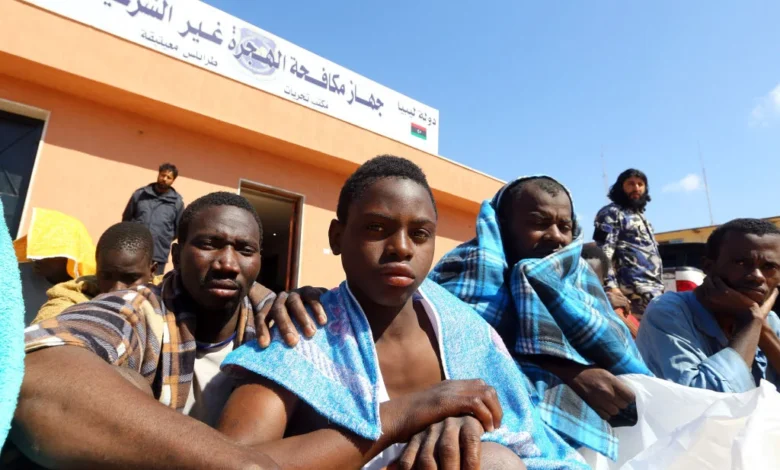
The Libyan scene is witnessing a state of popular and political upheaval following the trending of the hashtag “No to localization”Social media platforms reflect the growing concerns of activists and users about potential attempts to transform the country from a temporary transit point for irregular migrants into a permanent settlement for them.
Accusations against the commission and calls for protest
The movement did not stop at the limits of the digital space, but rather ran parallel to increasing calls to organize protest demonstrations in front of the headquarters of the United Nations High Commissioner for Refugees in the capital, Tripoli, and to demand the termination of its work inside the country, in condemnation of what some see as its suspicious role in the “resettlement” file.
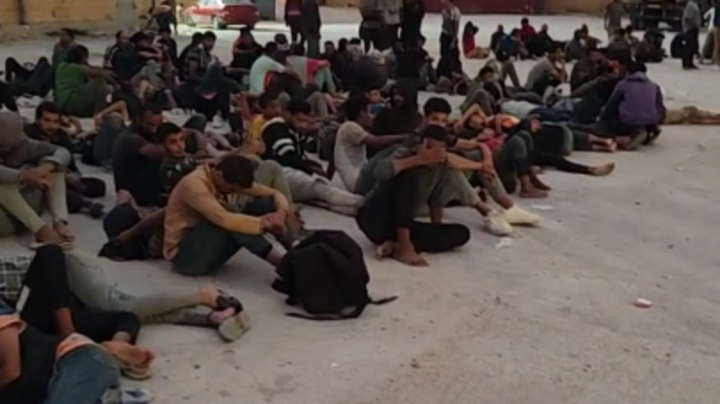
The tension reached its peak after a statement attributed to one of the social councils was circulated, revealing that the commission was coordinating with pharmacies and shops to secure food and medicine for holders of asylum cards, which tweeters considered a preliminary step to legitimize permanent presence, which sparked a massive wave of criticism.
In response to this movement, the government intervened in the crisis. The Ministry of Foreign Affairs and International Cooperation of the Government of National Unity issued a statement affirming its close monitoring of irregular migration flows and their far-reaching security, economic, health, and social consequences. The Ministry reiterated its firm stance of upholding national principles and its absolute rejection of any projects aimed at resettlement.
Government warnings
While affirming the constitutional declaration guaranteeing citizens' right to peaceful expression, the ministry warned against:
Being swayed by rumors and undocumented inflammatory calls.
Any practices that may threaten national security or harm the reputation of the state.
Exposure to the headquarters of international organizations and diplomatic missions.
For its part, the Ministry of Labor and Rehabilitation of the Government of National Unity completely distanced itself from those speculations, denying in detail the existence of any plans to settle migrants or provide housing complexes for them under its umbrella, describing these reports as “completely unfounded and lacking any legal or factual basis.”.
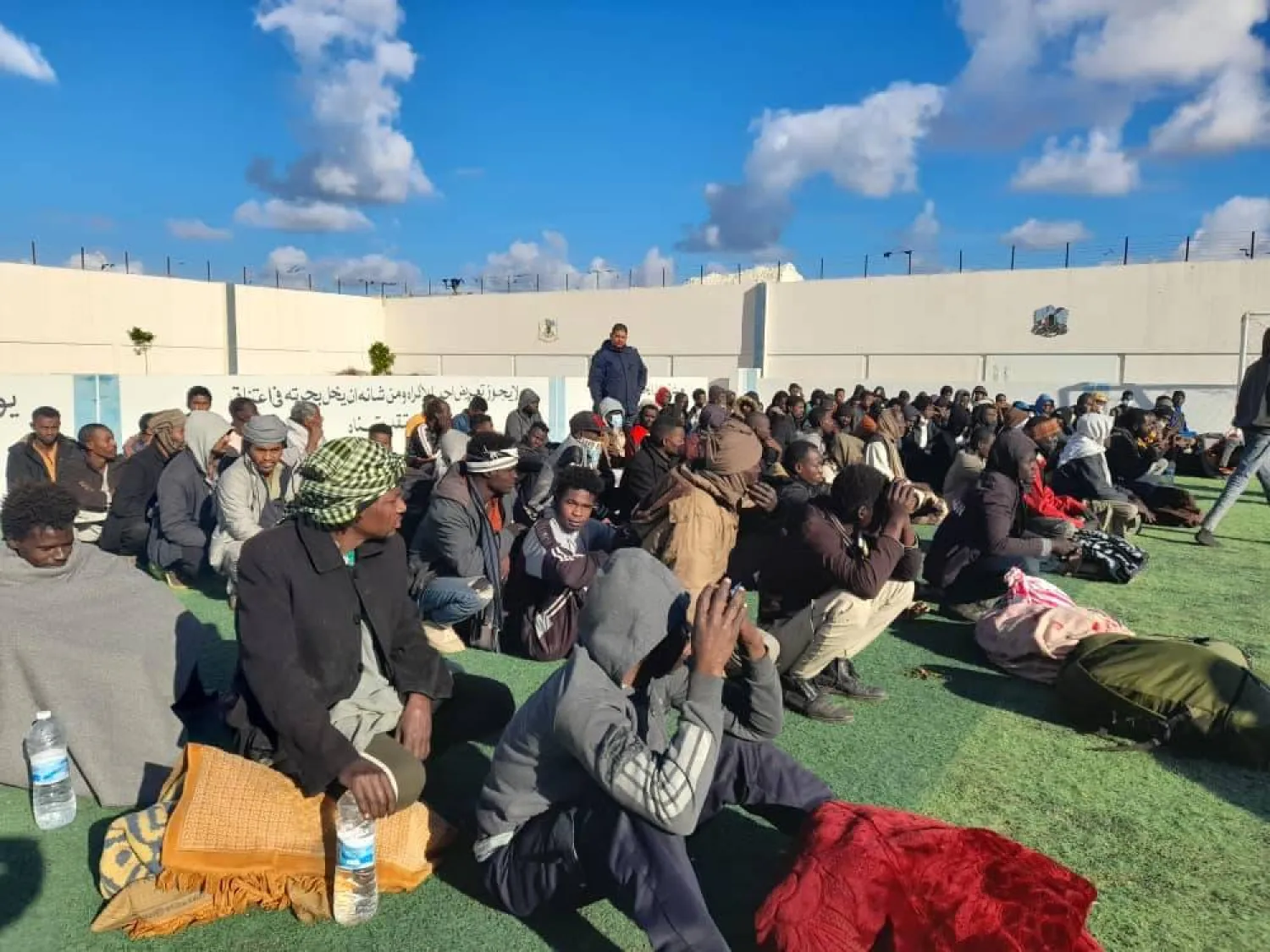
The ministry clarified that its role is exclusively limited to regulating migrant labor through legal channels, in accordance with Labor Relations Law No. 12 of 2010 and its implementing regulations. It further stated that the issue of irregular migrants falls under the sole jurisdiction of security authorities. The ministry also emphasized the obligation of employers to obtain the necessary permits legally, while giving absolute priority to qualified Libyan nationals to protect the local labor market.
National identity is a red line
On the legislative side, the response was firm and decisive; the House of Representatives issued its official statement No. (2) of 2026, in which it declared its categorical rejection of any plans, arrangements, or policies aimed at settling or settling foreigners on Libyan soil, considering this file a sovereign issue that is not subject to compromise.
The parliament's statement included a clear reading of the current situation, warning against attempts to impose a fait accompli that affects identity and demographic composition at this pivotal stage, based on a solid national legal arsenal:
The council based its decision on Law No. (24) of 2023 relating to combating the settlement of foreigners in Libya.
The statement stressed that Libya will not bear the costs of international and regional policies and will not be an arena for absorbing the crises of others at the expense of its security, stability, and demographics.
Parliament stressed that the state’s development efforts must first be directed towards the Libyan citizen, especially in matters of empowering young people with housing, creating jobs, and improving basic services.
The House of Representatives concluded its statement by calling on all executive, security and oversight bodies to strictly adhere to the provisions of Law No. (24) of 2023, and to confront any moves that may be interpreted as a prelude to resettlement, stressing that the authority to make decisions remains solely in the hands of the Libyan people to protect the future of their country.