Will Lagos become the first African city to economically outperform entire countries within the continent?
Lagos is the capital of Nigeria's informal economy.
Written by Omnia Hassan
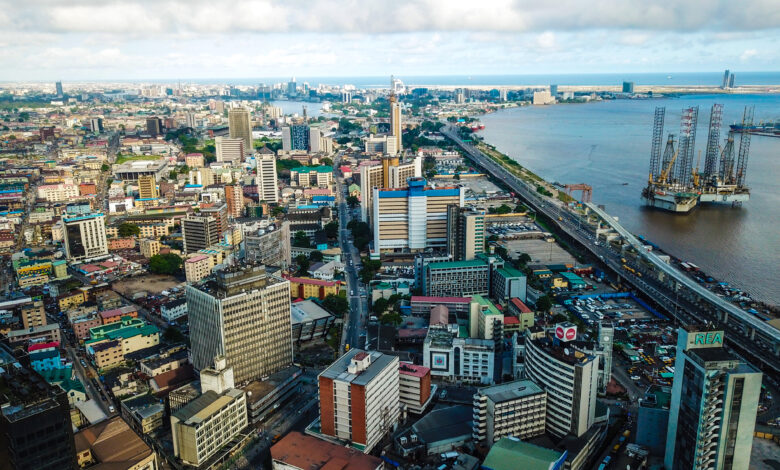
Lagos city is heading Nigerian To consolidate its position as one of the largest economic centers in Africa, with increasing indications that its GDP may exceed the economies of entire African countries.
According to estimates from research institutions such as the World Bank and the International Monetary Fund, Lagos is the main engine of the Nigerian economy, contributing about a third of the country’s GDP, even though it represents only a limited part of Nigeria’s geographical area.
The city is ranked as the largest urban agglomeration in West Africa, with extensive economic activity encompassing trade, financial services, technology and creative industries.
Rapid growth exceeding African expectations
Recent economic reports indicate that the economic output of Lagos State may approach or exceed the economies of countries such as Ghana, Kenya, or even some sub-Saharan African countries with limited economic size.
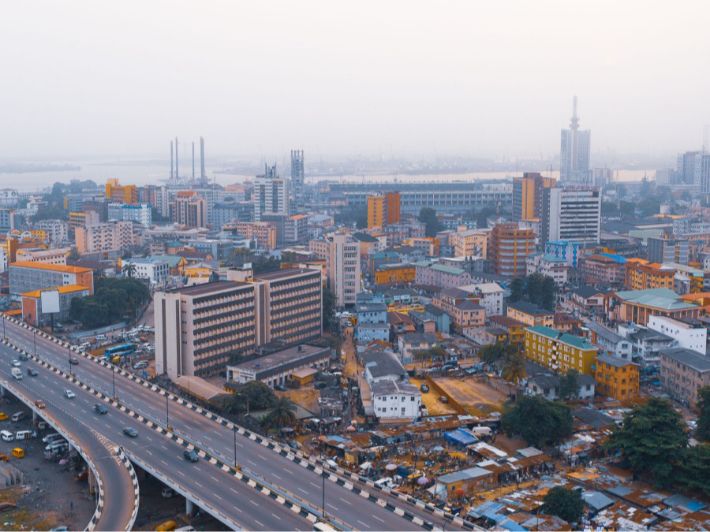
This growth is attributed to several factors, most notably rapid urban expansion, the booming financial technology (FinTech) sector, and increased foreign direct investment.
The “Eco Atlantic” district and major infrastructure projects have also contributed to enhancing the city’s appeal as a regional business hub that rivals global cities.
A huge demographic engine and increasing pressures
Lagos has a population of more than 20 million, according to United Nations estimates, making it one of the fastest-growing cities in the world. This population growth provides a huge workforce and a large consumer market, but in return, it poses major challenges to infrastructure such as transportation, electricity, and housing.
Development reports warn that continued growth without improved basic services could create a gap between economic potential and living standards.
Does Lagos really surpass African countries?
Despite the strength of the indicators, economists emphasize that comparing the economy of a single city to entire countries should be understood with caution, given the differences in measurement methodologies between urban and national economies.
However, most analysts agree that Lagos has already become a state-within-a-state economy, and may be the first African city to actually come close to surpassing national GDP-based economies.
Lagos stands today at a historic turning point, as it is no longer just a major city in Nigeria, but a regional economic player that may redefine the concept of economic power within Africa in the coming years.