Mali is on a knife's edge... Escalating violence threatens regional stability
Bloody escalation exacerbates the crisis
Amna Hassan wrote
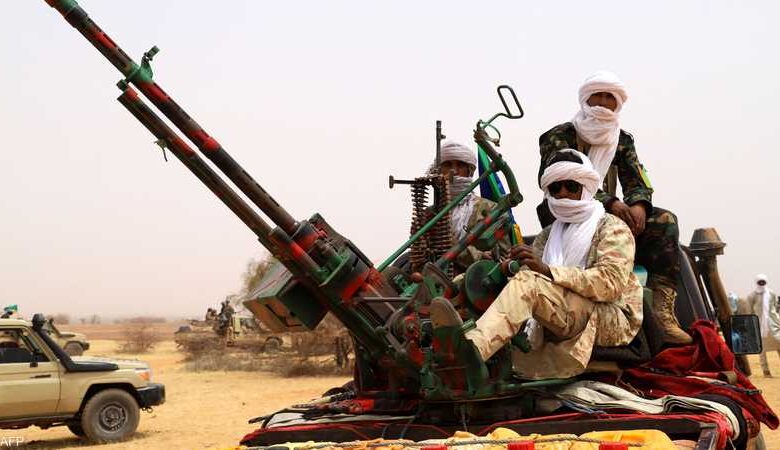
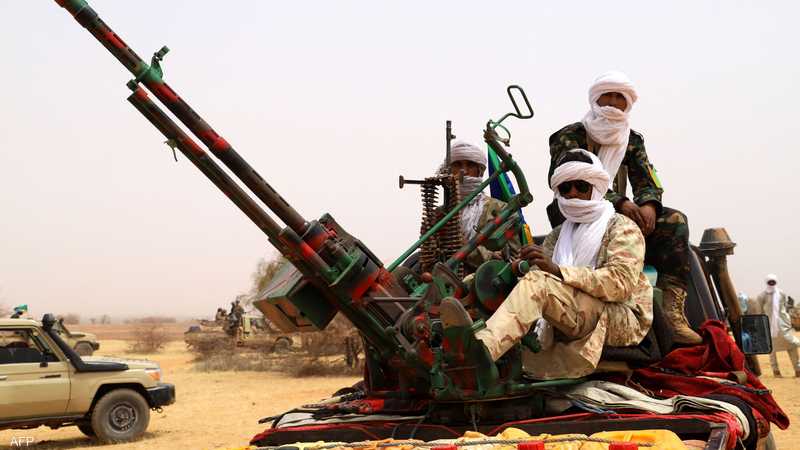
Mali has recently witnessed a significant escalation in the pace of violence, reflecting the fragility of the security situation in the country and the Sahel region in general. Terrorist groups have claimed responsibility for a bloody attack that occurred at dawn on Saturday in several areas within Mali, confirming that they coordinated with the secular-oriented Azawad Liberation Movement to carry out these armed operations. Some accounts linked to Azawad have also circulated information confirming this coordination, further complicating the security and political landscape.
Worrying regional repercussions
This announcement carries serious implications for relations between Mali and its neighbors, especially given the indirect accusations against some countries of harboring leaders linked to these movements. Observers believe that the continued hosting of Azawad figures in African countries could be interpreted as a hostile stance towards Mali, as well as towards the Sahel Alliance (AES), potentially leading to escalating diplomatic tensions in the region.
Calls for diplomatic escalation
In light of these developments, calls have emerged within political circles for decisive action, including demands that the Sahel Alliance countries withdraw their ambassadors from any country hosting leaders linked to these groups. These calls reflect a trend toward using diplomatic pressure alongside military efforts in an attempt to contain the growing security threats.
A complex security situation and ongoing challenges
Mali has suffered for years from security instability due to the proliferation of armed groups in the north and center of the country, coupled with weak government control over some areas. Despite local military efforts and regional support, challenges persist, particularly given the interplay of political and ethnic factors in the conflict.
An uncertain future for the region
Given these circumstances, Mali appears to be facing a critical juncture that necessitates greater regional and international coordination to address security threats. Continued escalation could not only destabilize the country but also have repercussions across the entire Sahel region, requiring urgent action to prevent further deterioration.
Terrorism has been one of the most prominent challenges facing Mali for more than a decade, with several terrorist groups active in the northern and central regions, taking advantage of weak government control and the vast geographical area. These groups have led to instability by carrying out frequent attacks targeting civilians and security forces, in addition to undermining development efforts.