Fears of a food crisis in Africa and billions in losses due to the "Super El Niño" phenomenon.“
The continent needs $100 billion to cope with the consequences of climate change.
Written by: Mohammed Omran
The African Development Bank warned that the African continent could face economic losses ranging between $10 billion and $20 billion if the “Super El Niño” phenomenon develops in the coming months, amid fears of widening drought and floods, declining agricultural production, rising food prices, and waves of displacement and migration from the most affected countries.
These warnings come at a time when there are increasing indications of rising surface temperatures in the Pacific Ocean, which meteorologists see as an indication of the potential formation of one of the strongest El Niño phenomena on record.
What is “Super El Niño”?
El Niño is a natural climate pattern that occurs as a result of unusually high temperatures in the tropical Pacific Ocean, leading to widespread changes in weather patterns around the world.
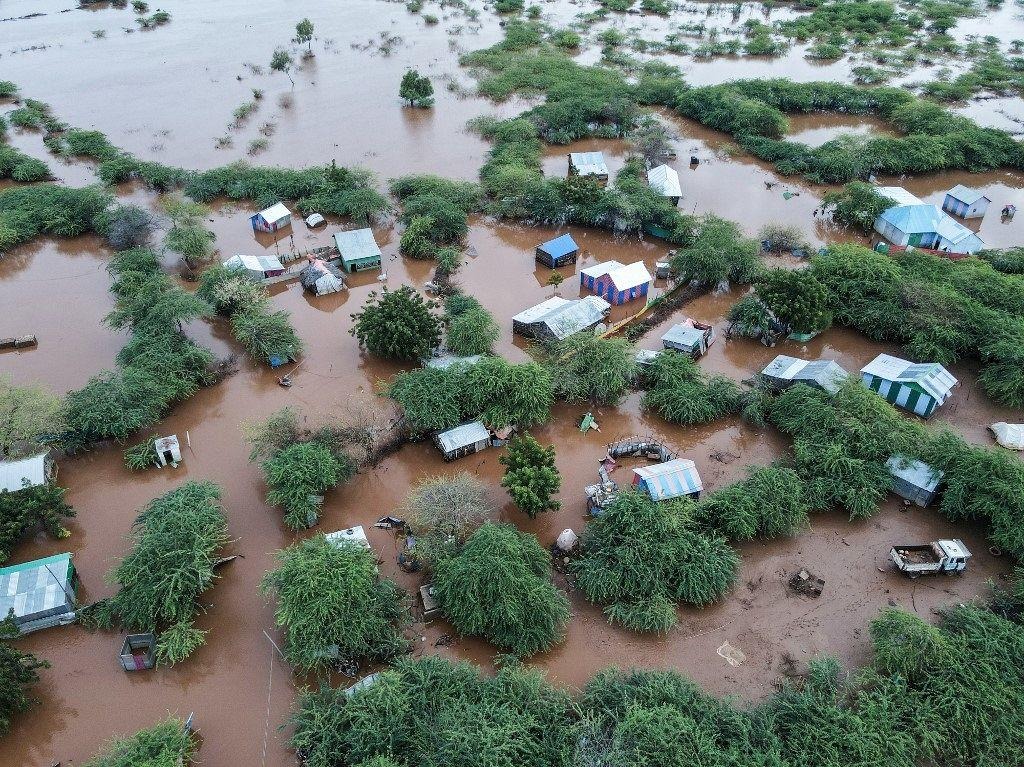
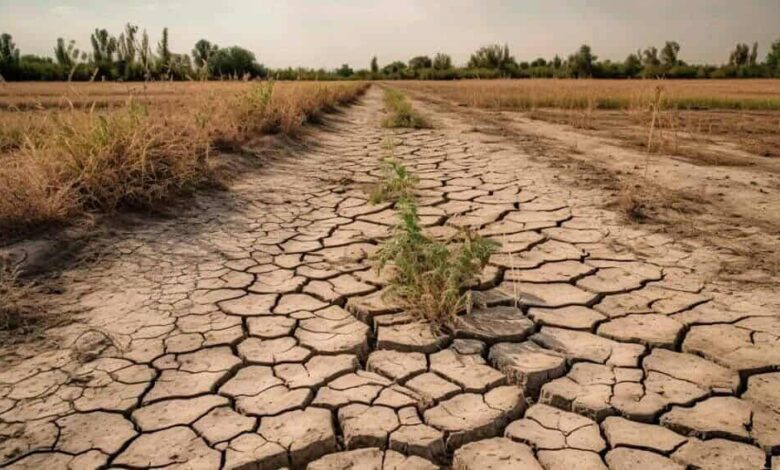
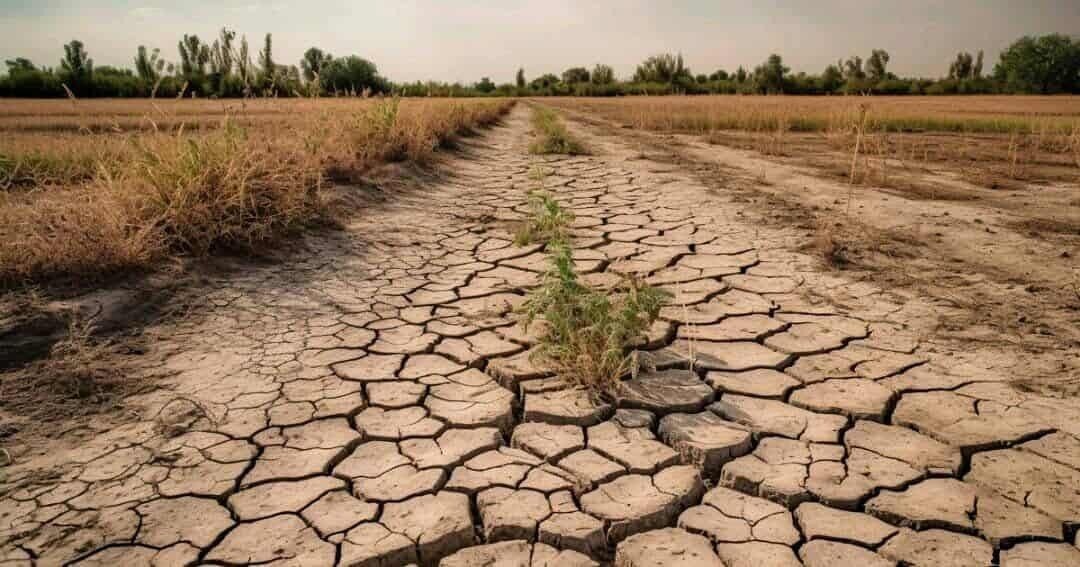
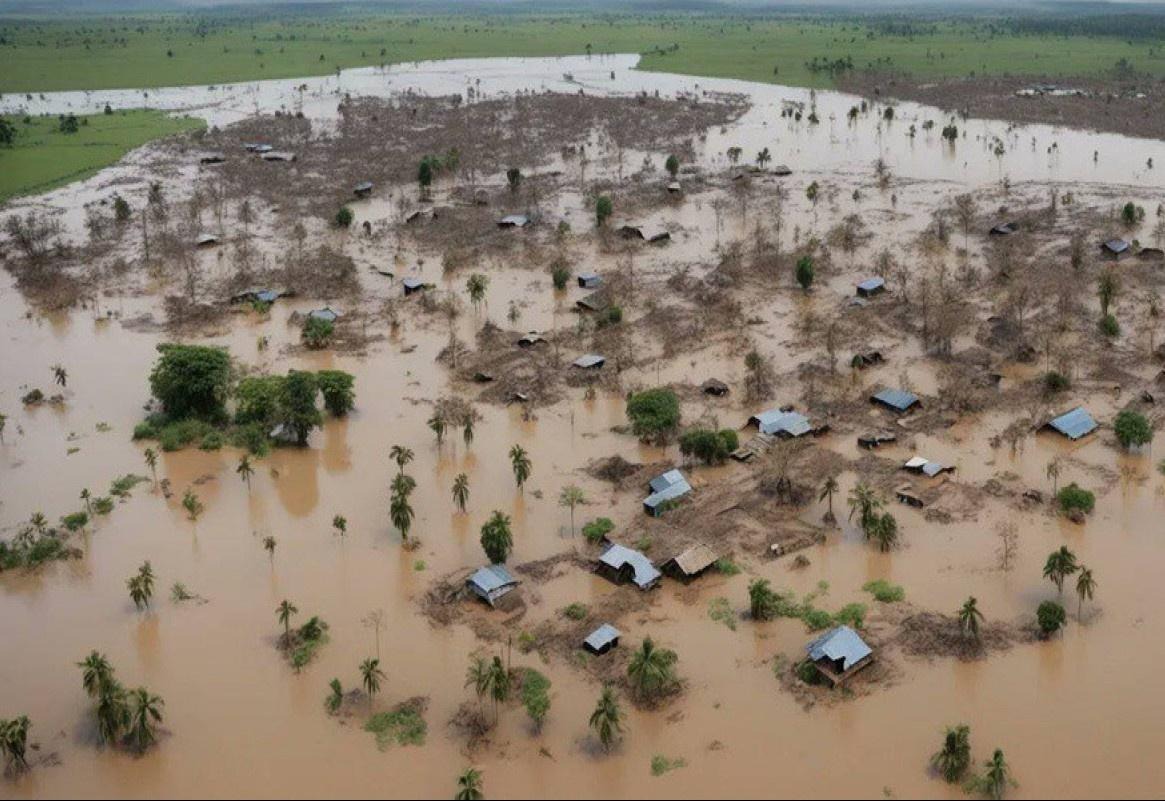
In Africa, the phenomenon often causes severe droughts in some areas, while others experience torrential rains, floods, and devastating storms. When the phenomenon reaches exceptionally strong levels, scientists call it a "Super El Niño," the most impactful version of the phenomenon.
Economic losses could reach $20 billion
Anthony Nyong, director of climate change and green growth at the African Development Bank, said the expected climate event could lead to a decline in the GDP of the most affected countries by an average of between 1% and 2%, equivalent to total losses of between $10 billion and $20 billion.
He explained that this assessment is the first of its kind issued by a multilateral development bank regarding the potential economic impact of ”Super El Niño”, noting that it does not pertain to a specific country, but rather reflects the expected impact on countries most vulnerable to climate risks.
Economic growth forecasts
The African Development Bank had predicted in its report issued last May that Africa’s economy would grow by 4.2% in 2026, rising to 4.4% in 2027, assuming a decline in geopolitical tensions.
However, these forecasts were issued before the current indicators emerged that suggest the formation of “Super El Niño”, which could affect growth rates if the expected climate scenarios materialize.
Agriculture at the heart of the crisis
Millions of Africans depend on rain-fed agriculture as a primary source of income and food, so the agricultural sector is the most affected by any climate disruptions.
During the El Niño phenomenon between 2023 and 2024, southern African countries experienced severe droughts, while eastern African countries experienced heavy rains and floods, causing damage to crops and higher food prices.
According to the African Development Bank, farmers in Africa are already facing income losses estimated at around $327 million this year, while the productivity of the fishing sector is expected to decline by between 1% and 4% as a result of rising sea temperatures and increased storms.
Food security is threatened
The bank warns that the continuation of the phenomenon could lead to a decline in the production of staple crops, especially corn, which is the main food for millions of people in a number of African countries.
It is expected that corn prices will double in some areas, which will lead to higher inflation rates and a higher cost of living, as the number of people in need of food aid increases.
Direct impact on public finances
The effects of “Super El Niño” are not limited to agriculture, but extend to the general budgets of countries, as floods, droughts and storms may cause the destruction of roads, bridges, electricity networks and water facilities.
The bank says that governments already under financial pressure may have to redirect spending from sectors such as health, education and infrastructure to cover relief and reconstruction costs.
Nyong described this situation as a “climate finance trap,” where countries find themselves forced to drain their budgets to cope with disasters instead of investing in development.
large funding gap
Nyong explained that Africa’s needs for climate change adaptation financing were estimated at about $50 billion over the next twelve months, but that “Super El Niño” could raise these needs to about $100 billion this year, an increase of between $30 and $50 billion.
The United Nations estimates that by 2035 developing countries will need about $365 billion annually to adapt to climate change, while the total international public funding allocated for this purpose amounted to only $26 billion in 2023.
African Development Bank preparations
The African Development Bank announced that it will hold an expanded meeting next September to assess the impact of “Super El Niño” on its current and future projects.
It also intends to restructure some projects to help countries cope with the effects of the phenomenon, and to work with international financing partners, such as the Green Climate Fund, the Adaptation Fund, climate investment funds, and loss and damage financing mechanisms, to provide additional funding to affected countries.
Fears of mass migration
The bank believes that the humanitarian consequences may be among the most serious results of the phenomenon, as waves of drought and shortages of food and water are expected to lead to the displacement of large numbers of people.
The bank identified a number of countries that could face the most severe impacts, namely Sudan, South Sudan, the Democratic Republic of Congo, Somalia, Mali, Burundi, and Nigeria.
Nyong noted that the lack of resources will drive many residents to leave their areas in search of food, water and livelihood opportunities, and that competition for farmland, pastures and water sources may lead to increased tensions and conflicts in fragile areas.
Building resilience
The African Development Bank stressed that reducing future losses requires investing in early warning systems, improving water resource management, developing climate-resilient infrastructure, and supporting climate-smart agriculture, rather than simply responding to disasters after they occur.
Nyong said that investing in prevention is far less costly than dealing with the effects of disasters after they occur, stressing that strengthening the capacity of African countries to adapt to climate change has become an economic and humanitarian necessity, not an option.