Nigeria and Turkey agree on joint military production and special forces training
200 Nigerian troops sent to Türkiye for training
Our correspondent from Nigeria, Abubakar Sani
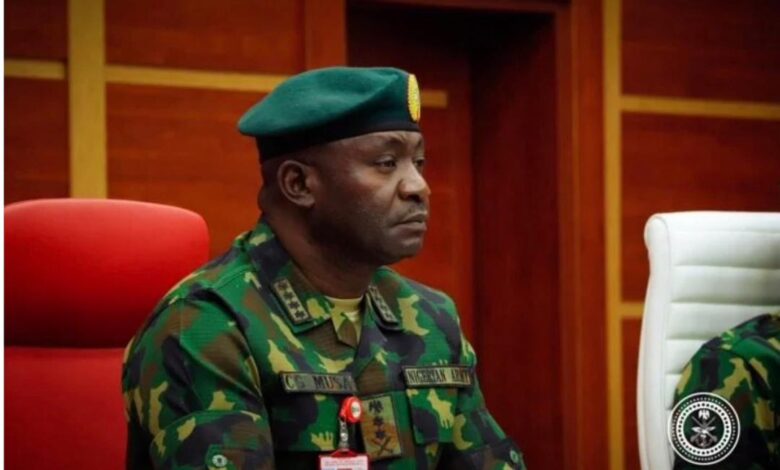
Nigerian Defense Minister Christopher Musa announced that Nigeria and Turkey have reached an agreement for the immediate deployment of 200 Nigerian special forces personnel for training in Türkiye.
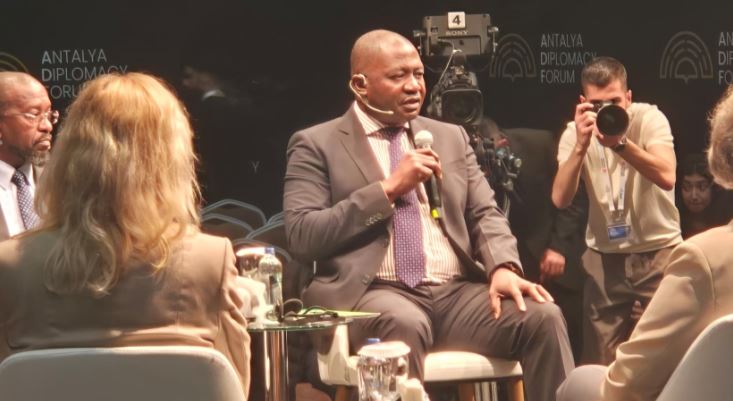
This came in an interview Musa gave on the sidelines of the fifth Antalya Diplomacy Forum in Antalya, Turkey, on Saturday, following talks with his Turkish counterpart, Yaşar Güler.
The minister explained that under the agreement, Türkiye has allocated a training quota for 200 members of the Nigerian special forces, who will be deployed as soon as they return to Nigeria.
The minister explained: “We have a special forces training agreement. Türkiye has agreed to give us 200 special forces trainees, so as soon as I return, we will send them here for training.”.
He continued: “We will continue to do a lot. There will be exercises. The first exercise will come later this year. So, in many areas of defense, we will work together.”.
Joint production of defense equipment
The minister also revealed that Nigeria and Turkey have agreed on joint production of defense equipment and transfer of military technology.
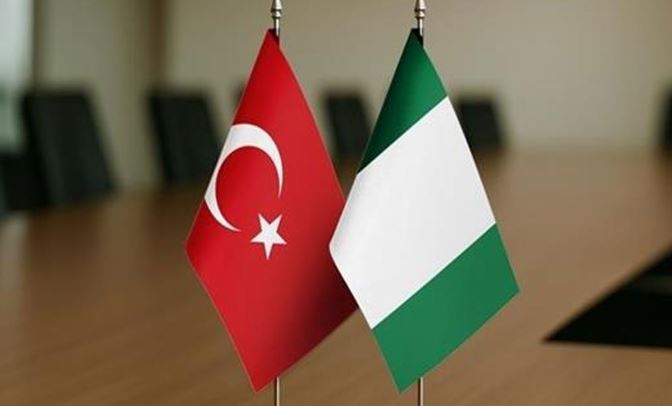
Musa said that Nigeria and Turkey have come a long way in working together over the years, adding that “since 1960, Türkiye has been like a family to Nigeria.”.
According to him, Türkiye has a lot of defense experience that Nigeria can learn from through joint experiences.
The minister added: “I held a meeting with the Turkish Minister of Defense, where we exchanged many ideas on how to improve our relationship on the defense level. Turkey has improved significantly in the production of military equipment. Nigeria is still in the development stage, and we agreed that we will work together so that we have joint production of some of these items.”.
Nigeria is waging a war against insurgency
The minister pointed out that while Nigeria has been waging an unequal war against insurgency for about 17 years, Turkey has a similar experience in combating terrorism for 40 years.
He added: “For this reason, we will turn to training, production, improving our defense and industrial production, and exchanging officers and soldiers.”.
The Nigerian News Agency reported that the three-day forum, which began on Friday under the theme "Mapping Tomorrow, Managing Uncertainty," is being attended by world leaders, ministers, and diplomats.
The forum was attended by participants from approximately 150 countries, including 5,000 decision-makers, 20 heads of state and government, 40 foreign ministers, 60 invited foreign media outlets, diplomats, and others.