Written by: Badr Ahmed
Argentine authorities announced the seizure of more than 700 marine animals smuggled from Kenya, in one of the largest operations against the trafficking of marine life intended for the trade of pets and ornamental animals, according to environmental and international organizations concerned with protecting wildlife.
The seizure took place on April 26 at Ezeiza International Airport near the capital, Buenos Aires, during a joint operation involving the Argentine Environmental Control Unit, the Customs Authority, the Agricultural Health Agency, the International Fund for Animal Welfare, and the Fundación Temeaken, which specializes in the rehabilitation of wild animals.
Argentina seizes more than 700 marine animals smuggled from Kenya
Authorities said the smuggled shipment included multiple types of tropical marine creatures sought after in the aquarium and rare collections trade, including surgeonfish, pufferfish, lionfish, butterflyfish, as well as octopuses, crabs, and starfish.
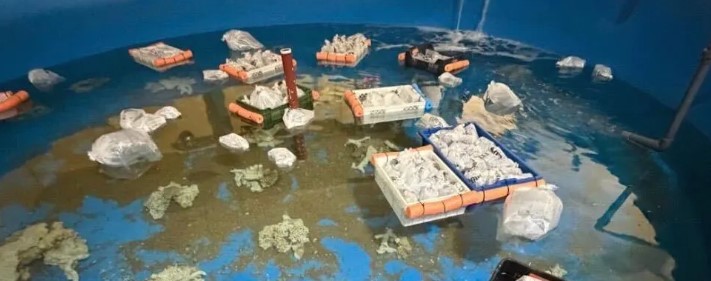
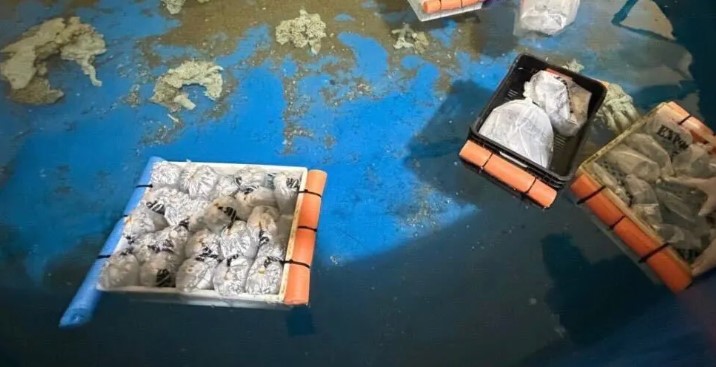
Environmental experts explained that a large number of creatures died during the approximately 120-hour transport journey from Kenya to Argentina, while other animals arrived in critical condition due to stress and shock from the harsh transport conditions.
The large volume of seizures prompted the Temaiken Foundation, the only entity in Argentina capable of receiving this type of confiscated marine animal, to set up an emergency rescue operation within its facilities in the city of Escobar, north of Buenos Aires.
Veterinarians and wildlife experts worked for more than 28 consecutive hours to rescue the living creatures and stabilize their health, as 10 additional tanks were set up with heating, purification and water treatment systems that meet the needs of tropical marine species.
Christian Gillet, the foundation's wildlife director, said many of the animals were torn from coral reef systems and arrived on the brink of death after spending days inside bags and transport boxes. .
He added that rescue teams had to handle each creature individually because they were packed in hundreds of plastic bags, using special techniques to gradually acclimate them to the new temperatures and salinity levels to reduce physiological shock.
For his part, Christian Plaumann of the International Fund for Animal Welfare described the operation as organized crime on an industrial scale, noting that smuggling 709 animals of 102 different species requires a complex international coordination network.
Blaumann confirmed that this was the third seizure in one year at the same point of entry, indicating the existence of an organized commercial smuggling route exploited by wildlife trafficking networks.
The confiscated animals are still receiving specialized care, while Argentine authorities continue their investigations to identify those responsible for the shipment, without yet announcing any official arrests.