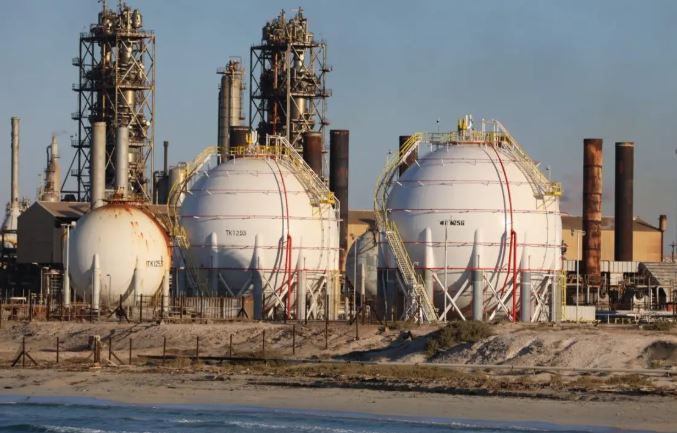
After a 16-year hiatus, Libya restarts a strategic gas pipeline.
Recovering 150 million cubic feet of gas per day
Libya’s National Oil Corporation announced on Tuesday the launch of the 42-inch pipeline project to transport gas between the Al-Intisar field and the Brega gas distribution system after a 16-year hiatus.
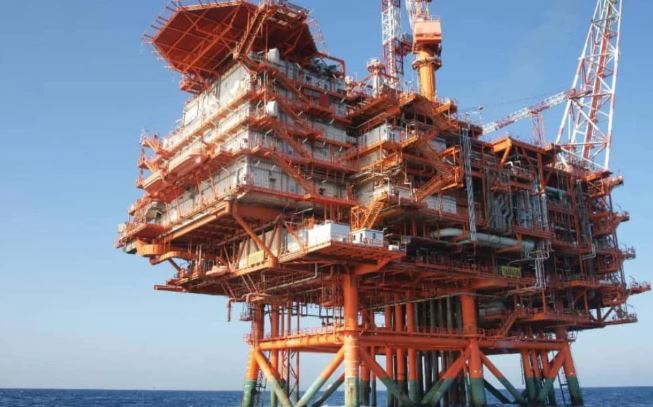
The corporation said in a statement that the project to connect the 42-inch diameter gas pipeline between the Al-Intisar A/103 field and pipeline 36B has entered the trial operation phase, after the national technical teams completed the connection work.
Recovering large quantities of oil
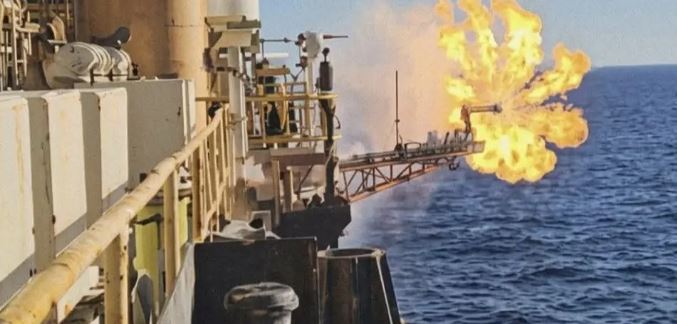
The corporation added that this step will contribute to recovering about 150 million cubic feet of gas per day that was being wasted through flaring, according to the German Press Agency.
She added that this strategic pipeline, which had been out of service for more than 16 years, will enhance the efficiency of the gas transmission system from the “Al-Intisar A/103, Al-Irada and Al-Sahel” fields, and will finally eliminate the “Back Pressure” phenomenon that was hindering production operations and causing some fields to be forcibly shut down.
She noted that the project was implemented by specialized technical teams from Sirte and Zueitina companies, under the supervision of the Maintenance Department of the National Oil Corporation.
Securing cooking gas supplies for the local market
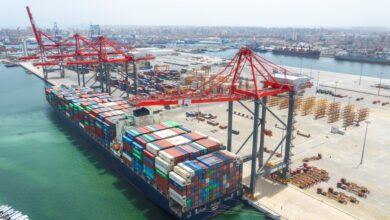
The National Oil Corporation had announced that the port of Marsa al-Brega had received its first liquefied petroleum gas tanker since 2017, in a move considered an important development in securing cooking gas supplies for the local market.
The tanker, named Gas Houston, arrived carrying approximately 1,000 metric tons of liquefied petroleum gas, equivalent to about 11,300 barrels, intended to cover citizens' cooking gas needs.
This resumption comes after a hiatus of several years, marking an important operational return for the port in receiving LNG shipments and strengthening the stability of supplies in the local market.
Technical modifications have also been implemented to raise safety and security standards at shipping sites, ensuring higher operational readiness during unloading and distribution operations.
The National Oil Corporation confirmed that the resumption of receiving gas tankers after a 9-year hiatus reflects the success of efforts to rehabilitate vital facilities and raise the operational efficiency of the oil sector.
She added that this step contributes to supporting the stability of supplies and enhancing the port’s ability to perform its strategic role in meeting the local market’s needs for cooking gas.