Free trade in Africa: an economic engine creating new investment opportunities
Africa: A laboratory for a new thermal capitalism

Written by: Mohammed Omran
With unprecedented heat waves sweeping across Europe, the Middle East and North Africa this summer, the African continent has turned this climate challenge into an economic engine.
Heatwave: When mercury becomes a commodity
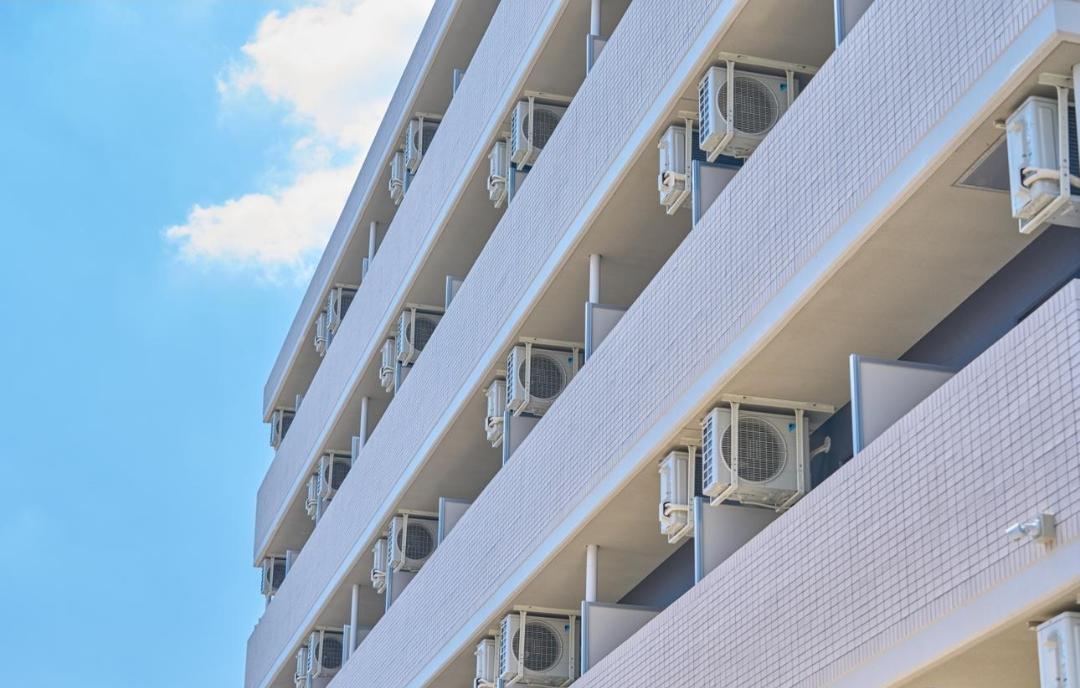
Africa, which together with the Middle East accounts for 41% of the global district cooling market, is experiencing increasing demand for air conditioning, cold storage, and thermal solutions, driven by rapid urbanization, rising temperatures, and economic growth. It is a panorama of a continent facing the rise of an emerging “cooling” economy.
In late May 2026, Morocco issued an orange alert due to a severe heatwave, with temperatures expected to reach 44 degrees Celsius in several regions, most notably Laayoune, Dakhla, Smara, Tata, Tarfaya, and Tanta.
Meanwhile, Egypt experienced an early heat wave, during which temperatures exceeded 40 degrees Celsius in a number of areas.
North Africa is among the regions most affected by this climate trend. According to climate scientist Mohamed Hanchane, the warming rate exceeded two degrees Celsius per decade during February, and one degree Celsius per decade during the months of May, June, August and October in Morocco. More broadly, Africa is experiencing a rise in temperatures at a rate exceeding the global average, according to the World Meteorological Organization.
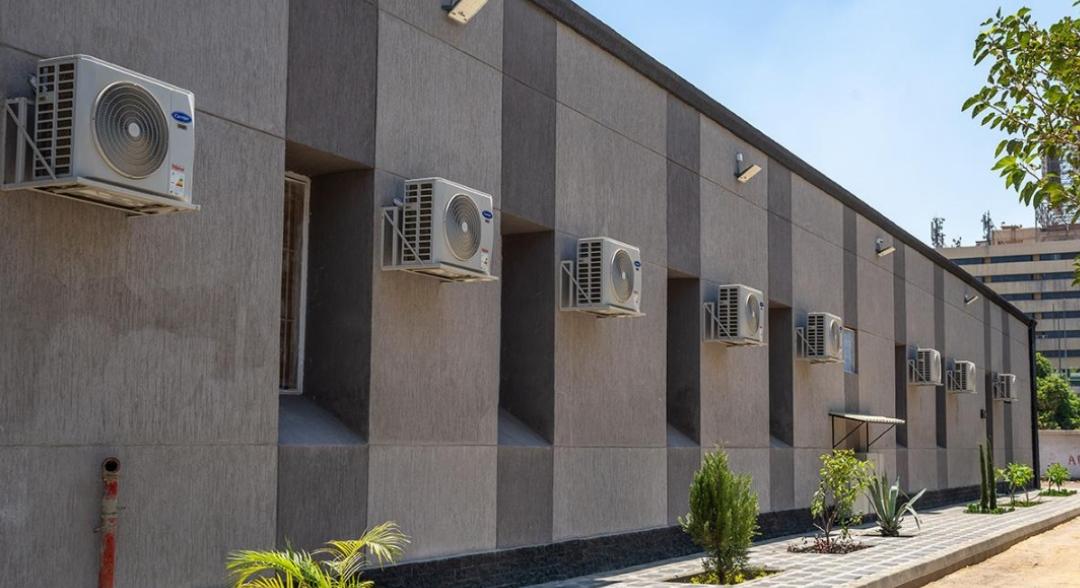
In February, Ziguinchor was ranked among the world's hottest cities, after recording 40 degrees Celsius on February 13, according to AQI.in. On the same day, the Malian capital, Bamako, recorded 39 degrees Celsius, a level it has been experiencing frequently due to its location in the tropical region of West Africa.
Africa: A laboratory for a new thermal capitalism
While Europe is facing unprecedented heat waves, hot countries are no longer immune to the accelerating repercussions of climate change. In fact, this phenomenon has turned the African continent into a laboratory for a new thermal capitalism.
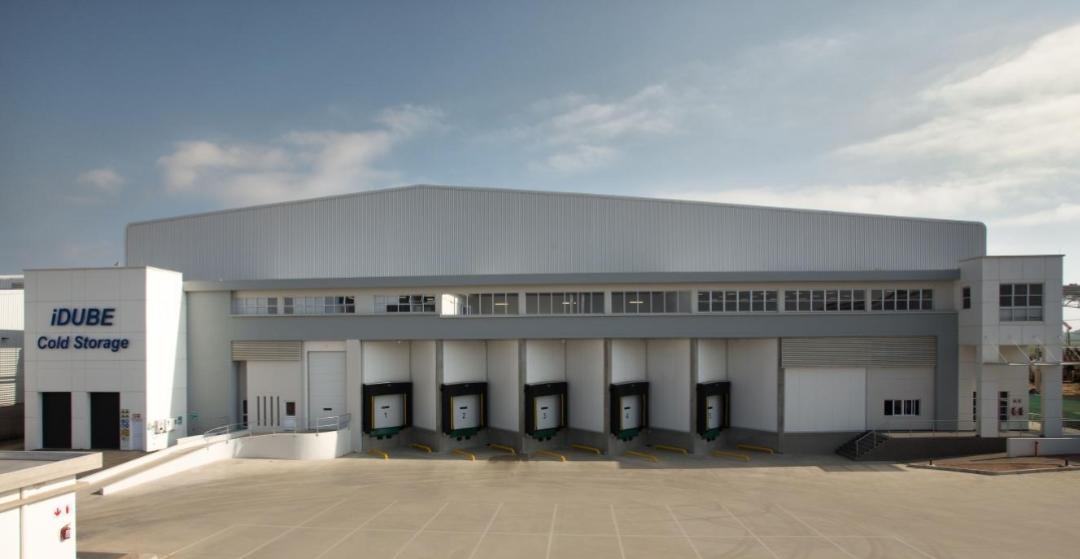
Between the solar energy boom, the increasing demand for air conditioning, and the agricultural cold chain crisis, heat is no longer just a climate challenge, but has become an economic driver creating new investment opportunities, in parallel with the increasing challenges posed by climate change.