André Touré: The First Lady of Guinea's Journey from Struggle to Exile
Ahmed Sekou Touré accompanied Guinea's independence journey before facing prison.
Written by: Mohammed Omran
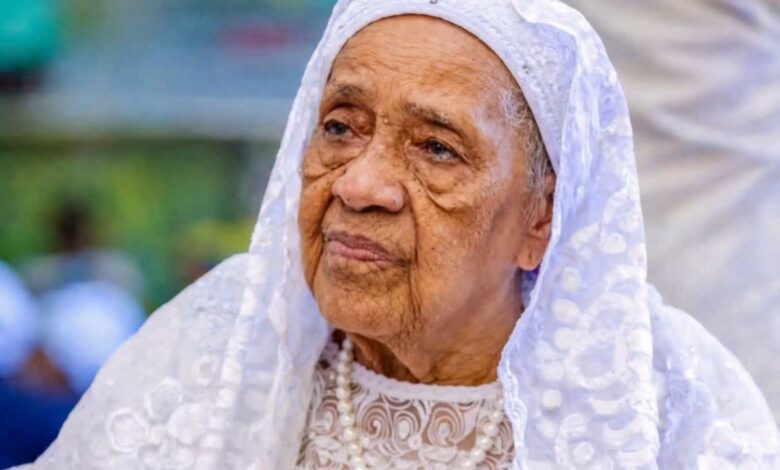
The need for Hadja Andrée Touré represented one of the most prominent female figures in Guinea's history, as her name was associated with the birth of the modern state, and she witnessed the most important political transformations that the country went through from independence to recent decades.
From Cankaya to the Presidential Palace
André Touré was born in 1934 in Kankan to a family involved in the medical profession. He grew up in Guinea at a time when it was still under French colonial rule.
In 1953, she married Ahmed Sékou Touré, who later became the leader of the independence movement and the first president of the Republic of Guinea.
Independence stage partner
Following Guinea's declaration of independence in 1958, Andrée Touré became the country's First Lady and accompanied her husband throughout his rule, which lasted until his death in 1984. During those years, her name became associated with supporting state institutions and participating in social and national activities, making her one of the most prominent female figures in public life.

Prison after the fall of the regime
Andre Toure's suffering did not end with her husband's death, as the country witnessed a military coup in 1984 led by Lansana Conté.
And after the change in power, she was arrested and sentenced to eight years in prison, one of the most difficult times she went through.
Years of Exile and Return
After her release from prison, she left Guinea and spent years in exile between Senegal and Ivory Coast, before returning to her homeland in 2000 to live away from the spotlight, while continuing her presence as a symbol of the country's political history.

The passing of a symbol from Guinea's memory
Andrée Touré died at the age of 91 while receiving treatment in Morocco. Guinea's President Mamady Doumbouya mourned her, affirming that she was a symbol of strength and resilience, and that her passing represents a loss of an important part of the national memory.

With the passing of André Toure, Guinea closes a chapter on one of the figures who witnessed the nation's founding, experienced independence, power, prison, and exile, leaving his life story as part of the country's modern political history.

Guinea bids farewell to its founding First Lady at the age of 91
The Guinean President, Mamady Doumbouya, mourned the deceased, praising her national role and describing her as a woman of strength and courage who dedicated her life to serving her country alongside her husband during the struggle for independence.
Dumbuya said her departure represents a great loss for national memory, emphasizing that she faced difficult moments in Guinea's history with resilience and loyalty, remaining committed to her country despite the challenges.