Fear of Ebola is driving pregnant women away from hospitals in the Democratic Republic of Congo.
A double health crisis threatens mothers and fetuses
Written by: Mohamed Ragab
As the Democratic Republic of Congo struggles to contain the Ebola outbreak, the health sector faces another equally serious challenge: pregnant women are reluctant to go to hospitals and health centers for fear of contracting the virus.
This situation is raising increasing concerns among health workers about rising maternal and infant mortality rates resulting from births taking place outside of medical facilities.
Doctors and reproductive health workers confirm that the growing anxiety among the population has led many women to avoid hospitals even in high-risk pregnancies, depriving them of necessary medical care during pregnancy and childbirth.
Ebola exacerbates pregnancy and childbirth risks
According to international health organizations, contracting Ebola during pregnancy is associated with extremely high risks to the life of the mother and fetus, as it can lead to severe bleeding and serious complications that may end in the loss of the fetus or the death of the mother.
Giving birth outside of health facilities also reduces the chances of rapid medical intervention in case of emergency complications.
Health experts warn that fear of infection may drive women to rely on home births or seek help from traditional healers, which increases health risks and makes it difficult for authorities to monitor cases and provide appropriate care.
Rapidly spreading outbreak puts pressure on the health system.
The Democratic Republic of Congo has been facing a rapidly escalating outbreak of a rare strain of the Ebola virus for weeks, amid warnings that the disease could spread to new areas.
Reports indicate that hundreds of injuries and deaths have been recorded since the beginning of the crisis, while health facilities are suffering from a lack of equipment, staff and funding needed for an effective response.
The complex security situation, population displacement, and weak infrastructure have made it difficult to contain the epidemic, especially in rural areas and camps for displaced people with high population density.
Loss of trust complicates response efforts.
Health workers say that fear, rumors, and a lack of trust in medical institutions have become major obstacles to combating the disease.
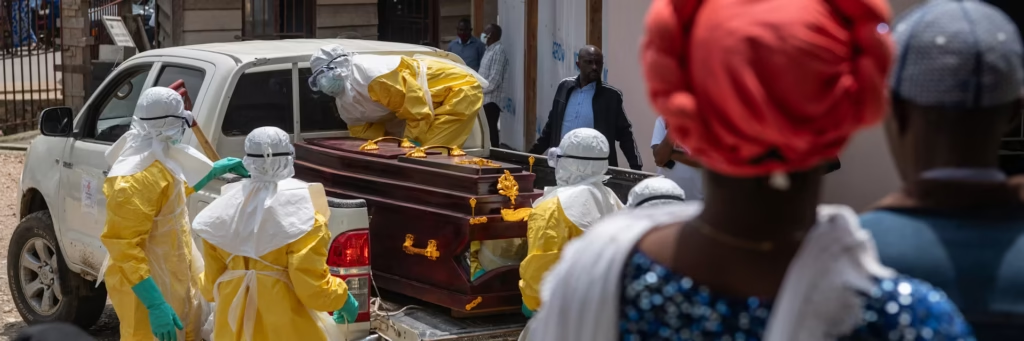
Some areas have witnessed incidents of rejection of health measures or objection to safe burial procedures, and some health centers have even been attacked by angry residents, which has affected efforts to respond to the pandemic.
Experts emphasize that restoring the trust of local communities is a key element in confronting the crisis, through intensifying awareness campaigns and involving community and religious leaders in spreading accurate information about the disease and ways to prevent it.
Calls to strengthen maternity care services
Under these circumstances, international health organizations are calling for ensuring the continuation of maternal and reproductive health services in parallel with efforts to combat Ebola, to avoid a silent humanitarian crisis in which women and children may pay the highest price.