Has Africa become a partner in the innovation industry instead of just a market for technology?
Africa: From an emerging market to a global innovation powerhouse

Written by: Mohammed Omran
Amid the rapid transformations taking place in the global digital economy, Africa continues to consolidate its position as an emerging center for technological innovation, after having been classified for many years as a consumer market for technology.
Has Africa become a partner in the innovation industry instead of just a market for technology?
The VivaTech 2026 conference, held in Paris from June 17 to 20, reflects this profound shift, with African entrepreneurs, investors and policymakers participating with the clear ambition of demonstrating the ability of solutions developed within the continent to meet global challenges.
Major international technology fairs have long viewed Africa as a consumer market, but the 2026 edition of VivaTech marks a significant turning point, as the continent is increasingly being categorized as a space for producing innovation rather than just consuming it, with a growing ability to influence global technology paradigms.
According to the conference organizers, the 2026 edition, which celebrates the event's tenth anniversary, is expected to attract around 180,000 participants, 15,000 startups, 4,000 investors, along with representatives from 171 countries and 4,000 partners, reflecting the event's growing global dimension.
Today, the VivaTech platform has become one of the most important meeting points between innovation, business, and major technology discussions, at a time when technological competition between continents is escalating, giving African companies a greater opportunity to reposition themselves and strengthen their international presence.
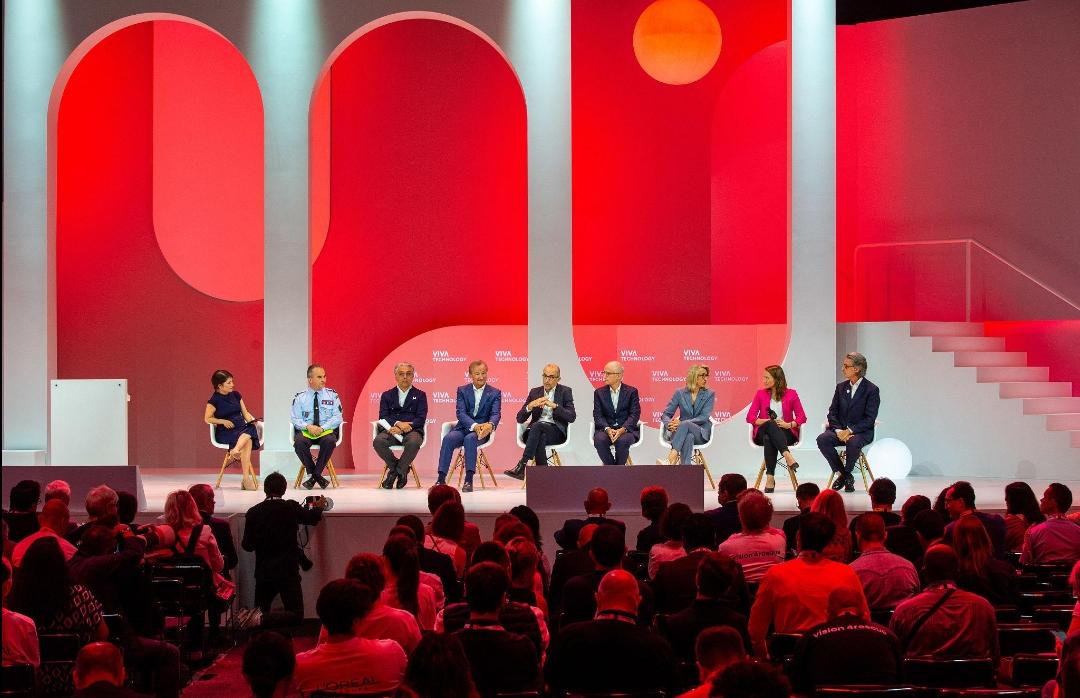
In this context, Maurice Levy, Chairman of the Supervisory Board of the Publis Group and co-founder of VivaTech, affirms that “artificial intelligence is at the heart of all conversations,” while François Petuzet, CEO of Viva Technology, points out that the exhibition has become a major global platform at the crossroads of innovation, business and technology.
The shift in perception of the continent is also highlighted by the “Africa Tech” awards, which aim to support innovative African entrepreneurs.
In 2026, more than 260 applications were registered from 34 African countries, an increase of 13% over 2025, with countries such as Nigeria, Kenya and Egypt having a strong presence in the final stages.
These indicators reflect a clear structural shift, as Africa is no longer just a market for technology adoption, but has become an environment for producing globally exportable innovations.
This trend is reinforced by the widespread use of mobile phones on the continent. GSMA data indicates that the number of mobile phone subscribers in sub-Saharan Africa reached 527 million in 2024, with expectations of reaching 630 million by 2030, while the mobile phone economy contributes about $170 billion, or approximately 81 TP3T of the region’s GDP.

In light of these transformations, Africa is now viewed as a strategic, rather than a marginal, technology market, especially with the rise of sectors such as financial technology, digital health, agricultural technology, and energy.
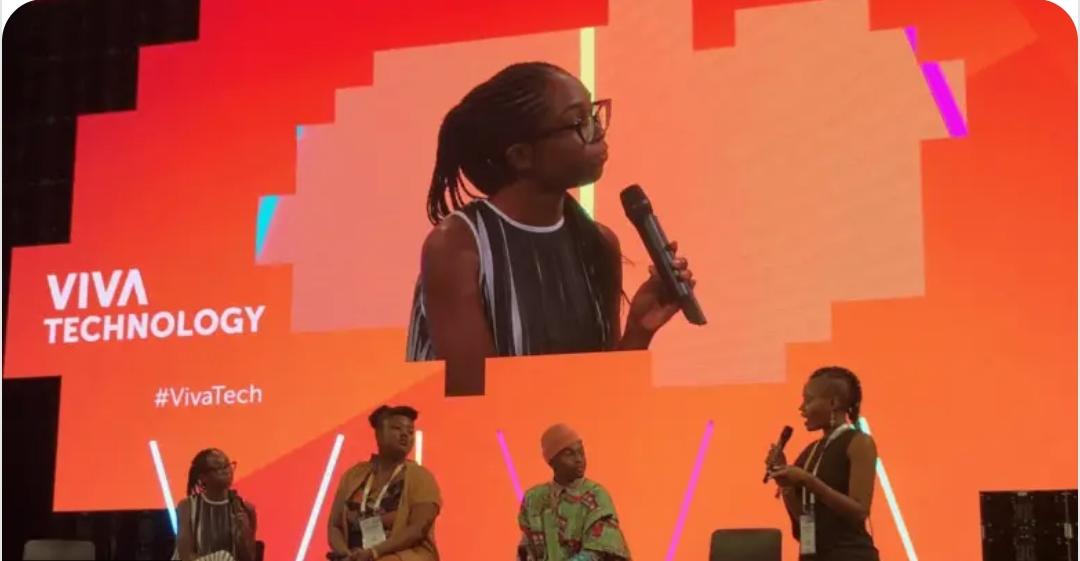
Despite this progress, financing challenges remain a major obstacle to the expansion of startups, given the concentration of venture capital in a limited number of markets, and the difficulty many companies in French-speaking Africa face in obtaining sufficient funding for growth.
However, the VivaTech conference seeks to promote partnerships and investments within the African technology ecosystem, by connecting startups with global investors and venture capital funds, thereby contributing to the long-term growth of the technology sector on the continent.
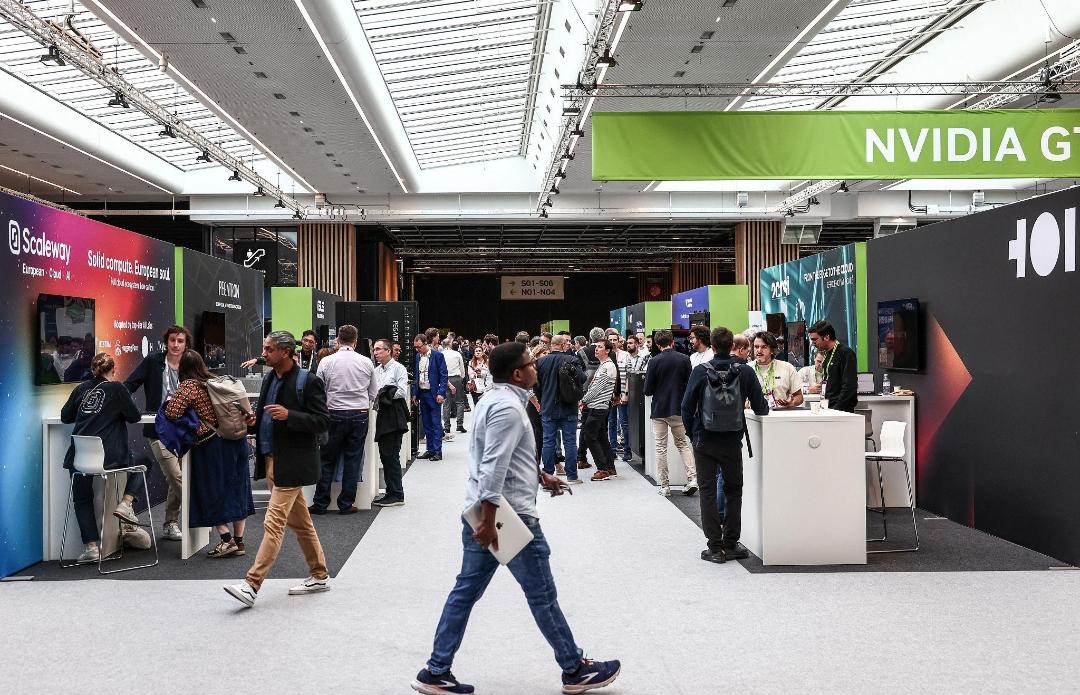
In light of this changing landscape, artificial intelligence stands out as one of the most important pillars of the next phase, not only as a technological tool, but also as a competitive field that reflects Africa’s ambition to be an active part of shaping the digital future globally.