Liberia bans raw rubber exports
To promote local manufacturing and increase added value
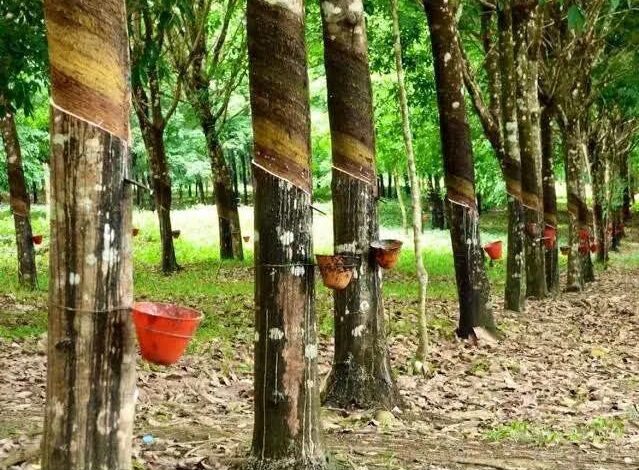
Written by Ziad Abdel Fattah:
The President of Liberia issued a statement, Joseph Nyoma President Bucaille Sr. issued Executive Order 166, which indefinitely prohibits the export of unprocessed natural rubber, effective July 1, 2026, in a move aimed at boosting domestic manufacturing and maximizing the economic benefit from national resources.
The decision is part of the government's comprehensive development program, "AREST," which focuses on boosting manufacturing, creating jobs, and increasing state revenue. The government emphasized that continuing to export rubber in its raw form deprives the Liberian economy of significant growth opportunities and hinders the development of local value chains.
The ban includes all forms of unprocessed rubber

The ban covers all forms of unprocessed rubber, including natural latex, coagulated rubber, rubber blocks, tree rubber, bark residues, and ground rubber. In contrast, the decision allows the continued export of processed products, such as technically specified rubber, latex concentrates, fumed sheets, and crepe rubber.
The executive order stipulates severe penalties for violators, including the confiscation of illegal shipments, fines of up to $100,000 for corporations and $50,000 for small farmers, and the revocation of export licenses in cases of repeated offenses, with the possibility of criminal prosecution. The penalties also extend to shipping companies involved in illegal export operations.
The government tasked a number of relevant bodies with implementing the decision, while the Ministries of Trade, Industry and Agriculture were given a 30-day deadline to prepare regulations that would facilitate rubber farmers' access to the local market.
The state also intends to support the manufacturing sector through tax incentives, financing facilities, and infrastructure development.
The decision is set to remain in effect until it is amended or repealed by the Legislative Council, and will be subject to an annual review to assess its impact on the national economy.