How did the African banking sector achieve returns exceeding the global average?
African banks achieve record profits and expand strongly

Written by: Mohammed Omran
At a time when the world's economies are facing increasing challenges and sharp financial fluctuations, they continue African banks Achieving exceptional results confirms its rise as one of the most profitable banking sectors in the world.
African banks achieve record profits and expand strongly
The African banking sector continues to solidify its position as one of the most profitable financial sectors globally, according to an analysis by McKinsey & Company in May 2026, which revealed that African banks recorded a return on equity of 19% during 2024 and 17% in 2025, compared to a global average of approximately 10% during the same period.

The report indicated that the global banking system generated revenues of approximately $5.9 trillion during 2025, but African banks continued to outperform in terms of profitability levels, which strengthened the role of the financial sector within African economies and increased its contribution to the continent's GDP.
How have African banks strengthened their presence within the continental economy?
The report explained that the African banking sector recorded strong annual growth of 17% when calculating revenues in local currencies, reflecting the expansion of banking activity and the increase in the customer base.
Although the results were affected when converted to US dollars due to exchange rate fluctuations and inflation rates in a number of countries, revenues rose from $81 billion in 2020 to $99 billion in 2024, with expectations of reaching about $107 billion during 2025.
The report revealed a significant concentration of banking revenues within the continent, with just five countries accounting for nearly 70% of total revenues during 2024: South Africa, Egypt, Nigeria, Morocco, and Kenya.
South Africa led the African banking scene with revenues of $26.4 billion, with four major banks dominating more than 801 TP3T of the market there, with growth expected to continue at a moderate pace until 2030.
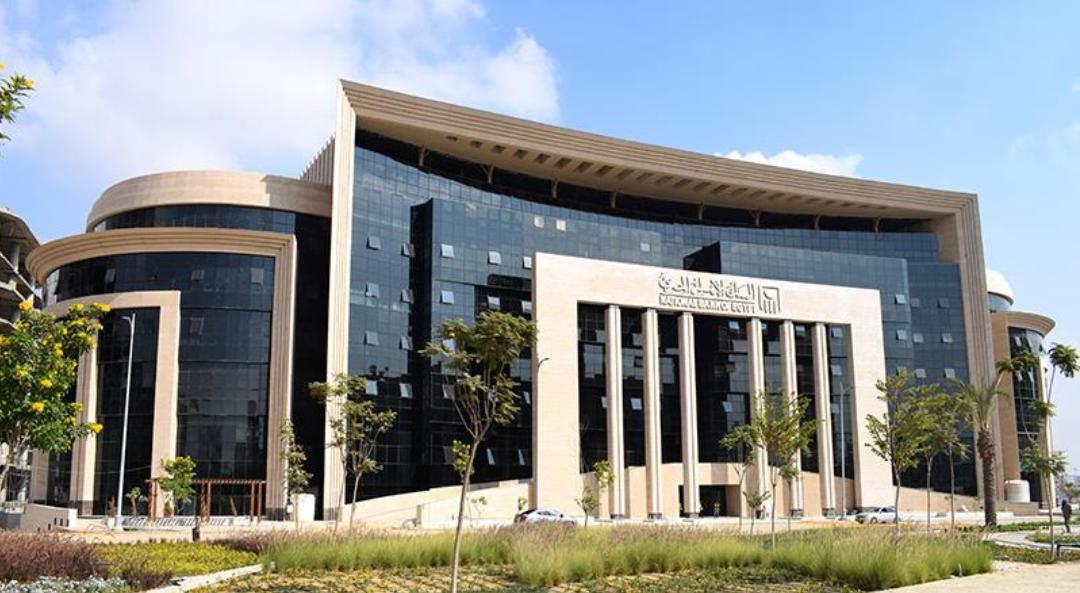
Egypt has emerged as one of the fastest growing banking markets on the continent, with the sector achieving a compound annual growth rate of 10% during the period from 2018 to 2024, recording revenues of $18 billion in 2024.

McKinsey attributed this performance to the expansion of financial inclusion programs and regulatory reforms that contributed to increasing the customer base of banks, expecting the Egyptian market to grow at a rate of 11% annually, reaching a size of about $34 billion by 2030.
On the digital transformation front, the report emphasized that small and medium-sized enterprises (SMEs) represent a promising opportunity for growth, especially given the continued presence of large proportions of companies outside the traditional banking system.
He also noted that expanding the use of generative artificial intelligence technologies and digital assistants could generate global productivity gains of between $200 billion and $340 billion annually, opening up new opportunities for banks to develop their services and accelerate financing and credit operations.

The report concluded by emphasizing that the story of the African banking sector is no longer limited to future potential, but has become a success story based on strong performance, innovation and resilience, enhancing its ability to compete globally and putting it on a path of sustainable growth until 2030.