“Al-Anani in Mozambique: A historic visit that strengthens UNESCO's presence after a long absence
UNESCO Director-General's visit to Mozambique
Written by: Qusay Ahmed
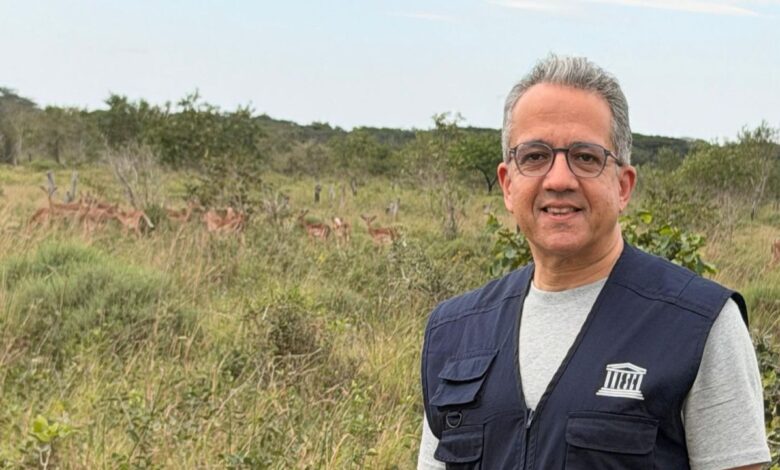
Dr. Khaled El-Enany, Director-General of UNESCO, paid an official visit to MozambiqueThis is her first visit since assuming her position, and it is also the first visit of its kind by an official in this position since 2008, in a move that reflects the organization’s interest in strengthening its presence in the African continent and expanding areas of cultural and developmental cooperation.
First visit of the Director-General of UNESCO to Mozambique
During the visit, El-Anani focused on the capital, Maputo, where he held a series of meetings with cultural and community institutions, and closely examined the features of cultural and artistic life in the city, as well as the challenges and opportunities facing local communities in the development process.
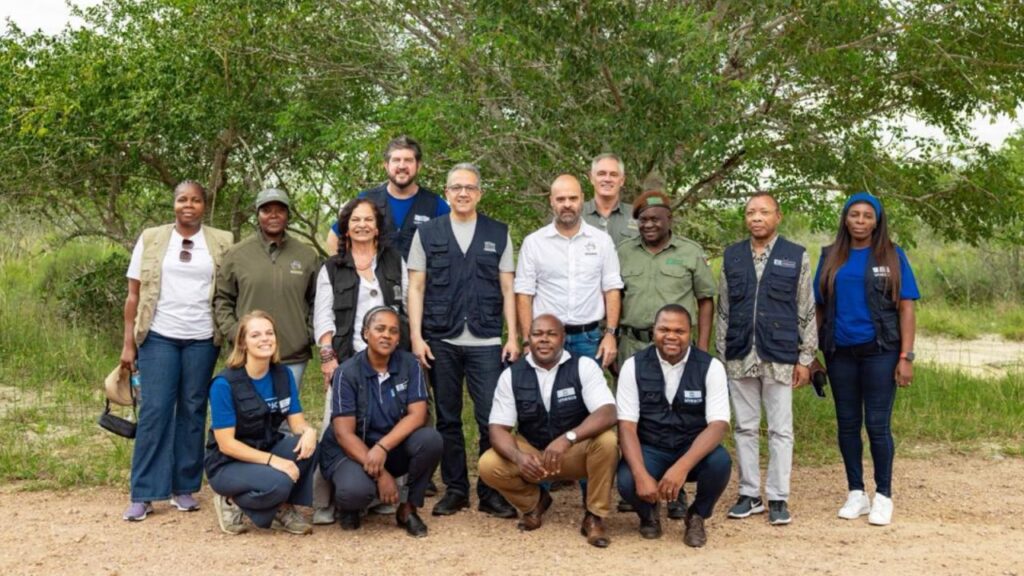
The tour included field visits to a number of arts and crafts sites, which reflect the country’s rich cultural identity, as well as direct meetings with artists, craftsmen and representatives of the local community.
The Director-General also met with officials from a UNESCO World Heritage site, where they exchanged views on ways to preserve this human heritage and enhance its use in supporting the local economy.
The Director-General of UNESCO noted that this field experience allowed her a deeper understanding of Mozambique’s diversity and vitality, stressing that what particularly caught her attention was the spirit of commitment and initiative among the individuals she met, who contribute their efforts to achieving common goals related to sustainable development and heritage preservation.
Anani's visit to Mozambique
She stressed that this visit represents an opportunity to strengthen partnerships between UNESCO and Mozambique, particularly in the areas of culture, education and community empowerment, emphasizing the importance of translating international cooperation into tangible results that directly impact the lives of the population.
He added that direct communication with local communities remains a key element in the organization’s work, as it contributes to guiding programs and initiatives in line with actual needs on the ground, and enhances the effectiveness of development interventions.
This visit comes as part of UNESCO’s efforts to strengthen its role in supporting member states, especially in regions with rich cultural diversity and promising development potential, as the organization seeks to consolidate its presence as a key partner in supporting inclusive and sustainable development.
The Director-General concluded his visit by emphasizing that UNESCO’s mission is embodied through these human connections, which transform international cooperation into a real impact that benefits societies, in a practical embodiment of the motto “For the People”. .