Ivory Coast: Gbagbo re-elected as head of the African Peoples' Party
Gbagbo is reasserting his influence within his party in Ivory Coast.
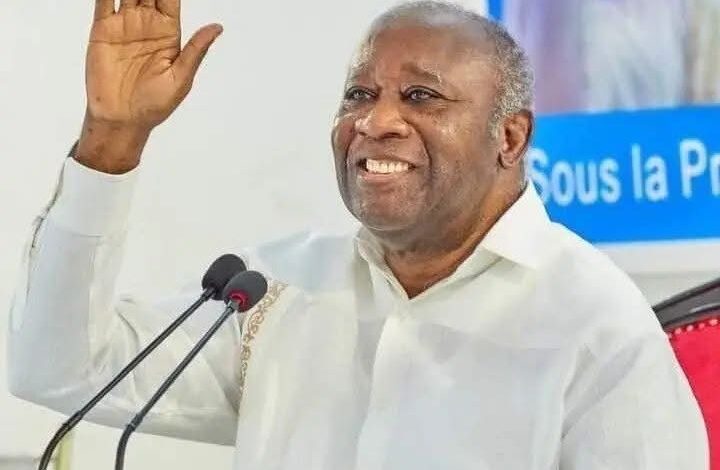
Written by: Badr Ahmed
Former Ivorian President Laurent Gbagbo, who will turn 81 on May 31, was re-elected as president of his party, the African Peoples' Party of Ivory Coast (PPA-CI), during its first ordinary congress held in the capital, Abidjan, on May 14, in a move that reflects his continued political presence despite his previous announcement of reducing his leadership ambitions.
Gbagbo is reasserting his influence within his party in Ivory Coast.
This development comes in a political context in Ivory Coast, where Gbagbo remains one of the most influential figures in the party scene, despite years of political and legal controversy that have accompanied his career since leaving power.
During the conference, the party's scientific committee adopted eight key resolutions, including a notable stance of supporting the AES Sahel alliance, which includes Mali, Niger and Burkina Faso, countries undergoing a political and security restructuring in West Africa.
The African Peoples Party – Ivory Coast also congratulated the three countries on joining this alliance, expressing its support for their political choices, while at the same time condemning what it described as all terrorist acts instigated by imperialists in those countries, according to what local sources familiar with the conference outcomes reported.
This position reflects a growing political trend within some African parties towards reshaping regional relations, in light of the transformations taking place in the African Sahel region and the decline of some forms of traditional cooperation with Western powers.
Laurent Gbagbo is one of the most prominent political figures in the history of modern Côte d'Ivoire, having served as president for many years before leaving office amidst a severe political crisis. Despite his advanced age, he still maintains a strong political base within his party, which enabled him to win the confidence of the party delegates once again to lead the party.
Gbagbo had stated in October 2025 that he no longer wished to run for leadership positions within the party, and announced that he would refrain from holding any political office, but his re-election reflects the continued need for his symbolic and political presence within the organization.
Observers believe that Gbagbo's re-election comes within the framework of reorganizing the party's internal structure in preparation for the next stage, especially in light of the rapid political transformations within Ivory Coast and the West African region in general, which are witnessing a reshaping of regional alliances and a change in the balance of political power.