158 years old... A sad end threatens Africa's oldest diamond mine (photos)
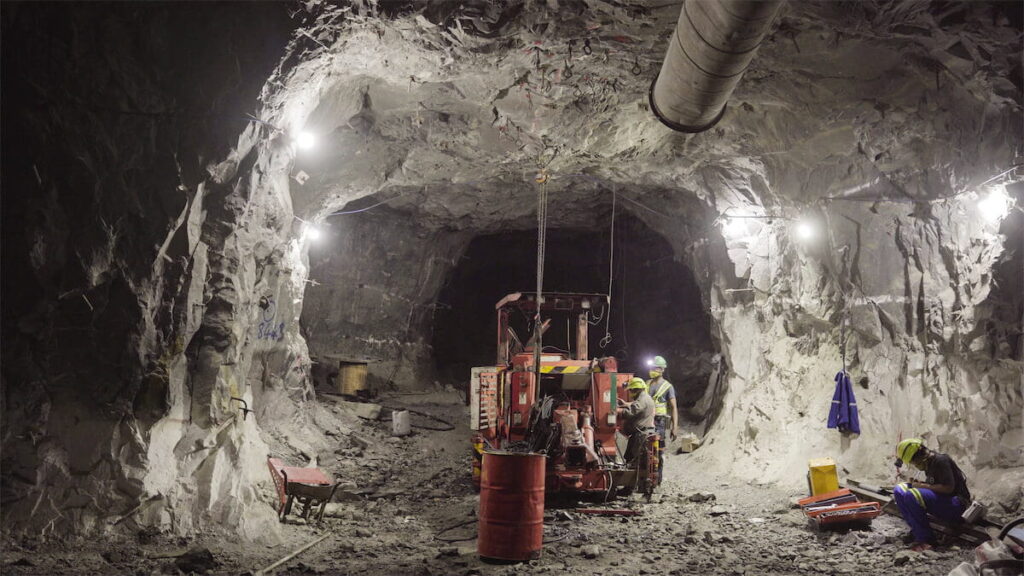
Ikapa Diamond Mine in South Africa
Written by: Ayman Ragab
In the heart of Kimberley, South Africa, where the land has been associated for decades with the glitter of diamonds and tales of wealth, the Ikaba mine is entering a pivotal phase that could determine its entire future. The joint provisional liquidators of Ikaba Minerals and Ikaba Resources have begun formal proceedings to sell the Ikaba diamond mine, in an attempt to save one of the region's most prominent mining assets and maintain its viability as a business.
Those in charge of the operation are moving towards both local and international investors, hoping to attract parties capable of restarting the mine and reviving its activity, despite the difficult conditions that are besieging the diamond sector globally.
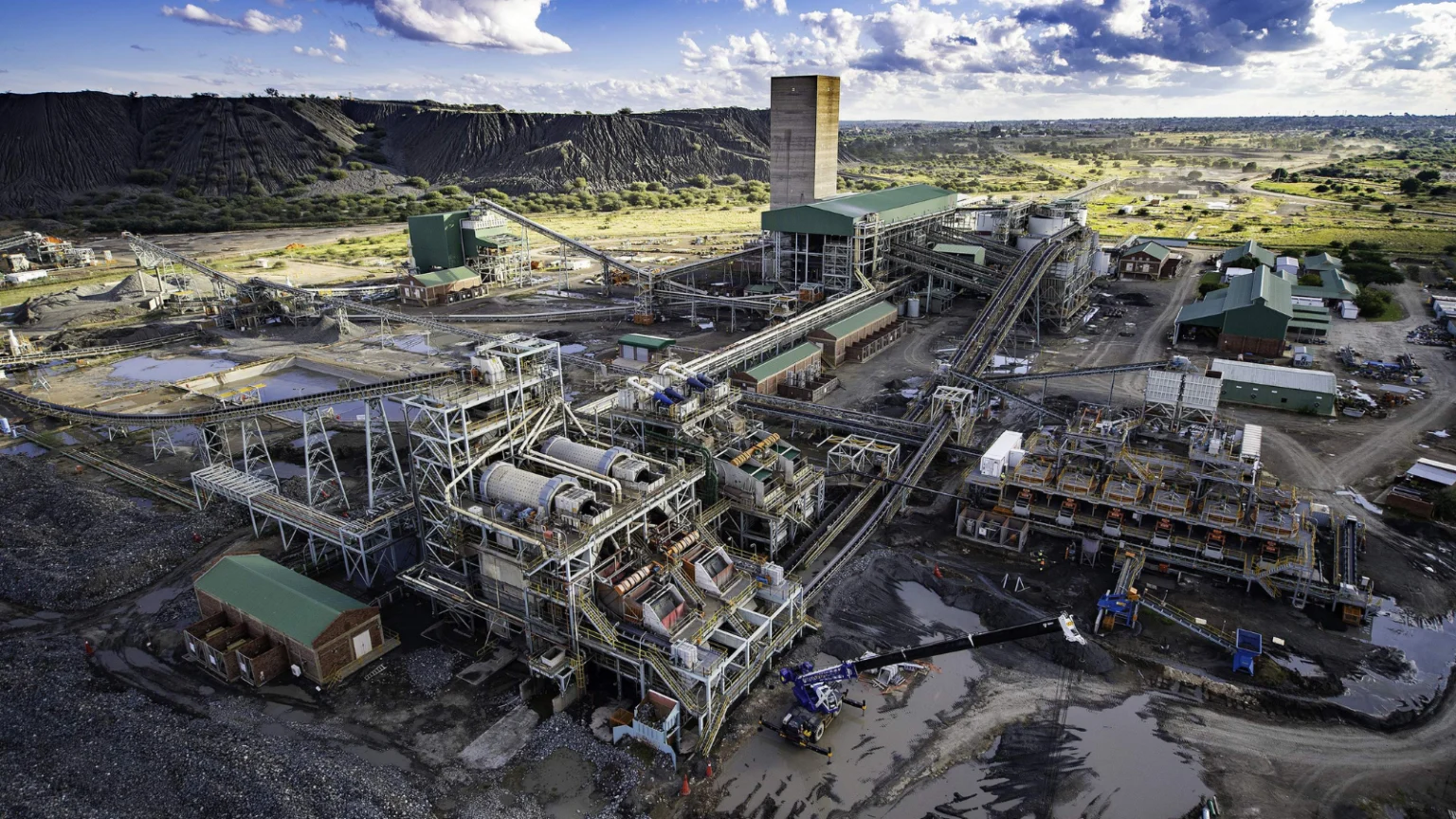
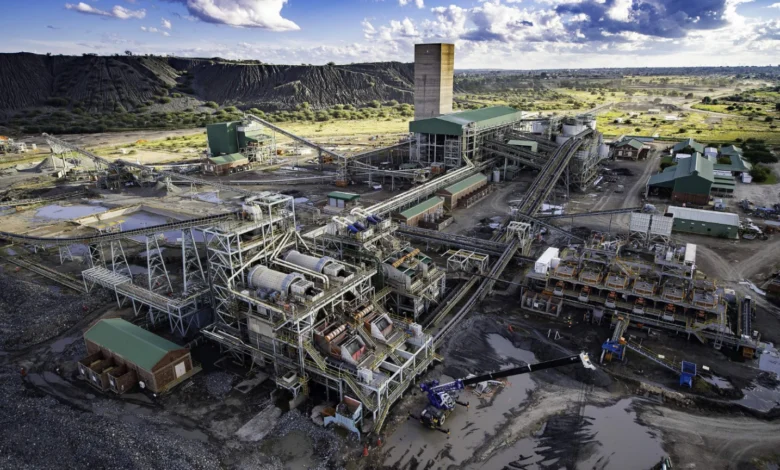
The Icapa mine, located in Kimberley, is a fully licensed asset comprising surface and underground mining operations, along with approximately 140 million tons of tailings mineral resources, and a processing plant with a capacity of up to 9.6 million tons per year.
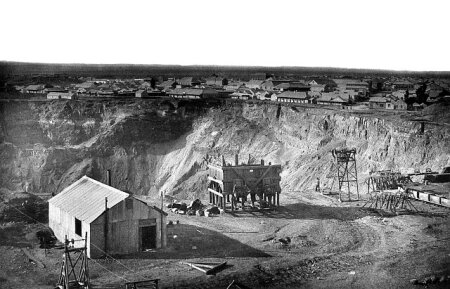
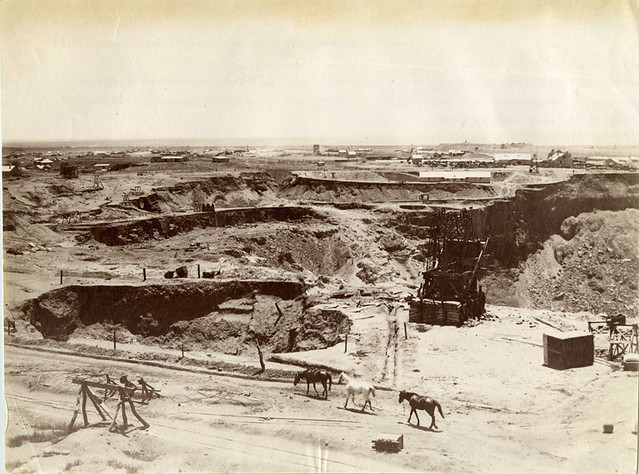
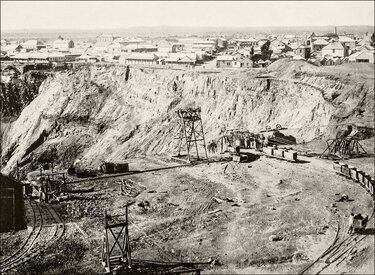
The site also contains three famous kimberlite pipes – Du Toits Pan, Bultfontein and Wesselton – which are part of the “Famous Five” group, giving it great historical and economic importance in the diamond industry.
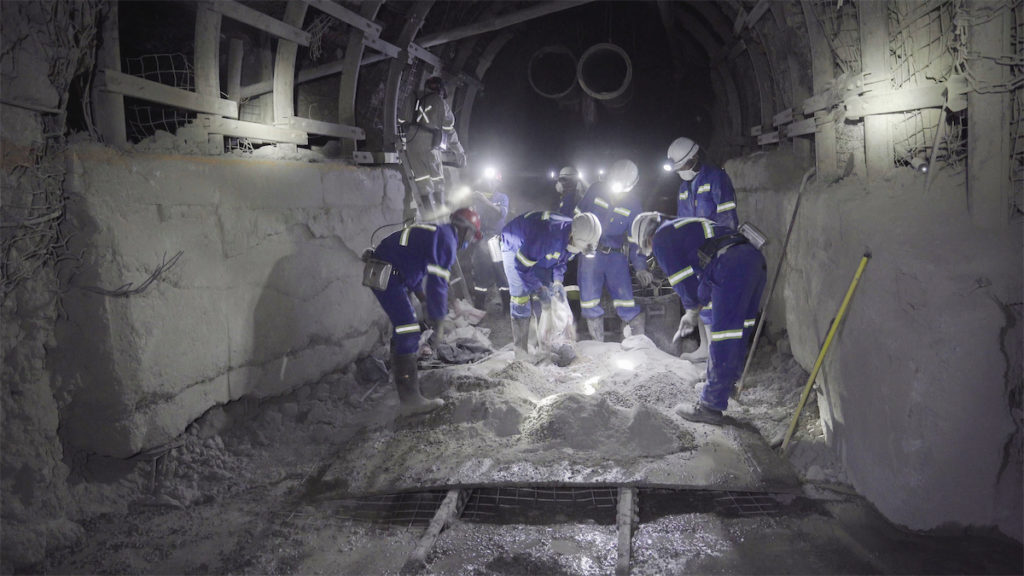
But this heavy legacy was violently shaken after a well collapse last February, which resulted in the death of 5 miners, in an incident that deepened the crisis that the mine was already suffering as a result of accumulated financial challenges.
As the mine later entered liquidation proceedings, around 1,000 jobs were at risk, raising widespread concerns about the economic and social repercussions for the Kimberley community.
Although repairing the damaged shaft could take between 10 and 18 months and require huge capital investments, the liquidators are still clinging to the hope of saving the company and getting it back up and running.
The auction organizers confirmed that the plant and surface infrastructure remain in good condition, and that the restart of the Bulfontein and Wesselton mines could happen relatively quickly if market conditions improve.
The sale is scheduled to take place via a joint auction led by Park Village Auctions.
WH Auctioneers, where investors will have the opportunity to acquire the underlying assets and mining rights, either with the aim of resuming operations within a specified time period of 90 days, or to redeploy the asset within a long-term strategic plan.
Richard Pollock, a representative of the joint provisional liquidators, said the first meeting held on site concluded that every effort must be made to determine whether the mine could be saved, in whole or in part, stressing that this goal remains a priority because of the benefits it holds for creditors, employees and the wider Kimberley community.
However, refiners do not hide the scale of the challenges facing the process, especially in light of the increasing pressures on the global diamond market.
They explained that the rapid spread of synthetic diamonds, especially in industrial applications, along with the size of the investments required to restart the mine, makes finding a suitable buyer a complex task.
They added that, nevertheless, there are investors who may see the mine as a promising opportunity, especially those looking for high-quality gemstones capable of competing with luxury jewelry, and who recognize the potential of this asset for reactivation, development, or strategic repositioning.
In recent years, the global diamond mining industry has come under increasing pressure due to the widespread acceptance of synthetic diamonds, particularly in commercial and industrial uses.
It is estimated that prices for small industrial diamonds have fallen by as much as 70% compared to pre-2020 levels, causing many mining operations in Canada, South America and Africa to close or scale back.
Currently, the Icapa mine is subject to a structured care and maintenance program aimed at preserving the value of its assets, with approximately 115 employees remaining on site.
The program includes strict security measures extending along a perimeter of 47 kilometers, in addition to continuous water pumping operations to protect the underground infrastructure and prevent the columns from being flooded.
The joint interim liquidators emphasize that their goal is to preserve value, achieve operational stability, and avoid a complete shutdown that could have severe social and environmental consequences.
Maintaining these activities costs about 10 million rand per month, at a time when mining operations are not currently generating any revenue, prompting management to take measures to reduce expenses, including limiting energy consumption to basic maintenance services only.
The liquidators are also working to sell selected non-core surface assets to help fund ongoing maintenance work, without affecting the overall viability of the mine.
In the midst of this difficult battle, the liquidators continue to coordinate with the relevant unions and government agencies, hoping to find a reliable investor capable of relaunching this historic asset and restoring its luster at a time that could be crucial for the future of an entire industry in Kimberley.