South Sudan: Training journalists to turn disaster warnings into early response
Ahmed Salem
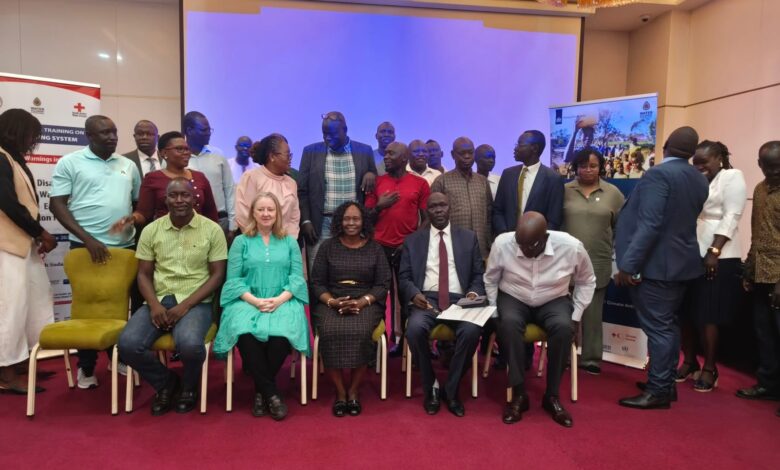
A two-day national training course on early warning systems, involving media professionals from across South Sudan, kicked off on Monday in Juba, with the aim of enhancing how disaster warnings are communicated to the public.
The session will be held during the period 08-09 June 2026, under the theme “Translating warnings into response: Disaster risks, early warning and media communication for proactive action.”.
The organizers said the course aims to equip journalists and media professionals with the skills needed to transform technical information related to risks into clear and actionable messages that communities can use before, during and after disasters.
One of the participants in the opening session explained: “The media is the bridge between early warning science and people’s safety. If a warning is issued but is not understood or trusted, it will not turn into a preemptive measure. This course seeks to bridge this gap.”.
Participants learn how to interpret flood, drought, and other hazard warnings, avoid causing panic, verify emergency information, and work effectively with disaster management agencies. Practical exercises include writing bulletins in simple, local language and preparing radio segments for remote communities.
South Sudan is highly vulnerable to the risks of climate change.
In general, South Sudan is highly vulnerable to climate change risks, including seasonal flooding, heat waves, and conflicts over natural resources. Poor communication regarding early warnings in the past has meant that communities have not had enough time to evacuate or protect their livelihoods.
One of the participating journalists from Jonglei State said: “Previously, we received warnings that were either very complicated or arrived too late. Now we are learning how to ask the right questions and provide information that can save lives.”.
The course concludes on Tuesday with a simulation exercise, in which participants produce time-sensitive warning messages for hypothetical emergency scenarios.
The organizers pledged to provide follow-up support, including a digital resource package and a network for journalists working in disaster risk reduction across the country.