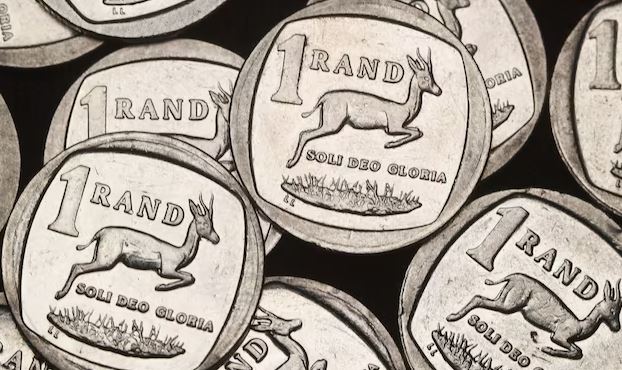
The South African rand made strong gains against the dollar during today's trading.
Oil prices fell by 5%
Written by Ziad Abdel Fattah:
The South African rand recorded strong gains against Dollar The US dollar rose during trading today, supported by improved investor sentiment in global markets, amid declining demand for safe-haven assets.
South African rand improved
According to Reuters, the rand was trading at 16.1725 against the dollar, up about 0.8% compared to the previous session's close.
Oil prices fall %
The South African currency's gains coincided with a rise in global stocks and bonds, while oil prices fell by about 5% following an agreement between the United States and Iran, which helped to calm concerns related to global inflation and pushed the dollar closer to its lowest level in ten days against a basket of major currencies.
Platinum prices jump
South Africa, a major exporter of metals, benefited from gold prices rising for the third consecutive session, while platinum prices jumped by more than 4%, boosting the appeal of local assets and supporting the rand's performance.
Annabel Bishop, chief economist at Investec, said the South African currency is poised for further gains in the coming period, predicting additional improvement in the country’s financial market indicators.
Stay tuned for South Africa's inflation data.
In a related context, investors are awaiting the release of inflation data for May on Wednesday, amid expectations that the annual inflation rate will rise to 4.7% compared to 4% in April, according to a Reuters poll.
Attention is also turning to the retail sales data due to be released on the same day, which will provide new indications of the performance of Africa's largest economy and the strength of domestic demand.
Johannesburg Stock Exchange index rises 3%
In the financial markets, the index of the 40 largest companies listed on the Johannesburg Stock Exchange rose by more than 3%, supported by strong gains in the shares of resource and mining companies.
In the bond market, benchmark South African government bonds maturing in 2035 performed better, with their yield falling by 14.5 basis points to 8.36%, indicating growing investor confidence in South African assets.