Rwanda's sugar imports declined by 36.5% during 2025
A noticeable change in the volume and value of annual sugar imports
Written by Khaled Mahmoud
Data released by the Ministry of Trade and Industry revealed Rwandan The country’s sugar imports declined significantly during 2025, falling by 36.5% in volume and 39.1% in value, reflecting a tangible shift in domestic consumption patterns.
Numbers and indicators
Rwanda imported 195,610 tons of sugar worth $145 million (about 212 billion Rwandan francs) in 2025, compared to 308,000 tons worth $238 million (about 348 billion Rwandan francs) in 2024. These imports included raw sugar for industrial refining, sugar used in the food and beverage industry, as well as refined sugar for household consumption.
Reasons for the decline
The Minister of Trade and Industry of the State of RwandaPrudence Sebahazi attributed this decline to three main factors: a decrease in domestic demand for refined sugar, an improvement in domestic production which helped meet part of the needs, and a decline in “re-exports” to neighboring countries, especially raw sugar intended for processing.
“This shift reflects market adjustments and changing consumer preferences, and is not the result of new policy measures,” Sipahizi told The New Times.
Market volatility and customs policies
This decline follows a surge in 2024, when imports rose by 24% compared to 2023. The Rwandan government applies the East African Common External Tariff, along with safeguard measures aimed at balancing ensuring reasonable prices for consumers and protecting domestic producers.
The country’s Ministry of Finance and Economic Planning also announced a temporary relaxation of the application of the regional external tariff on sugar and other basic food commodities, in a move aimed at reducing costs for consumers and stabilizing prices through specific strategic import quotas.
Plans to enhance self-sufficiency
In its efforts to reduce dependence on foreign sources, the Rwandan government plans to allocate 8,000 hectares of land for sugarcane cultivation, aiming to attract private investments of at least $50 million.
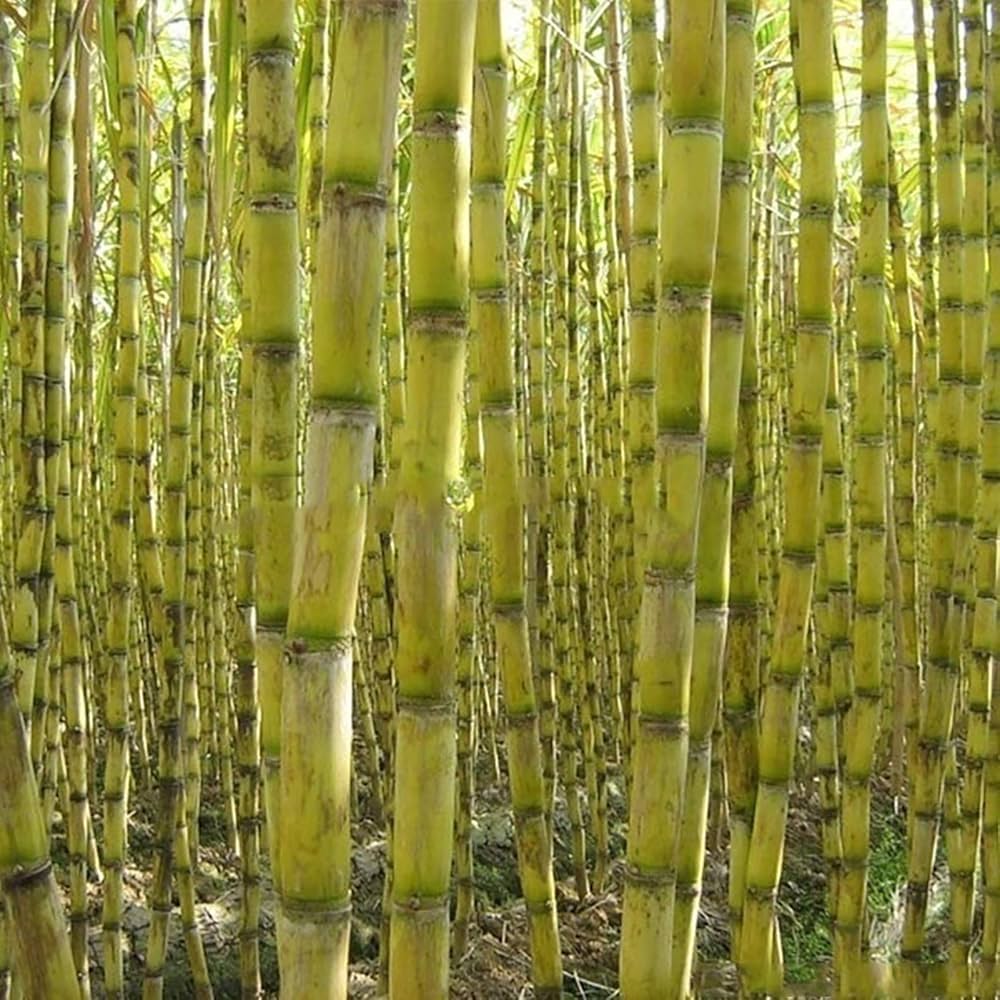
According to the Ministry of Trade and Industry, this initiative aims to expand processing capabilities and develop the local sugar industry, ensuring the sustainability of supplies and reducing the import bill in the future.