Chinese influence in Africa: Dealing in yuan against the dollar is redrawing the economic map
Use of the yuan in Africa
Written by: Ayman Ragab
China continues to strengthen its economic and financial presence in Africa through rapid steps aimed at expanding the use of its national currency, the yuan, in trade, investment and finance.
This comes at a time when the volume of Chinese trade denominated in yuan reached about 4.38 trillion yuan during April 2026, recording an annual growth rate of 14%, while several African countries have begun to gradually move towards adopting the Chinese currency in their economic transactions.
Cancellation of customs duties
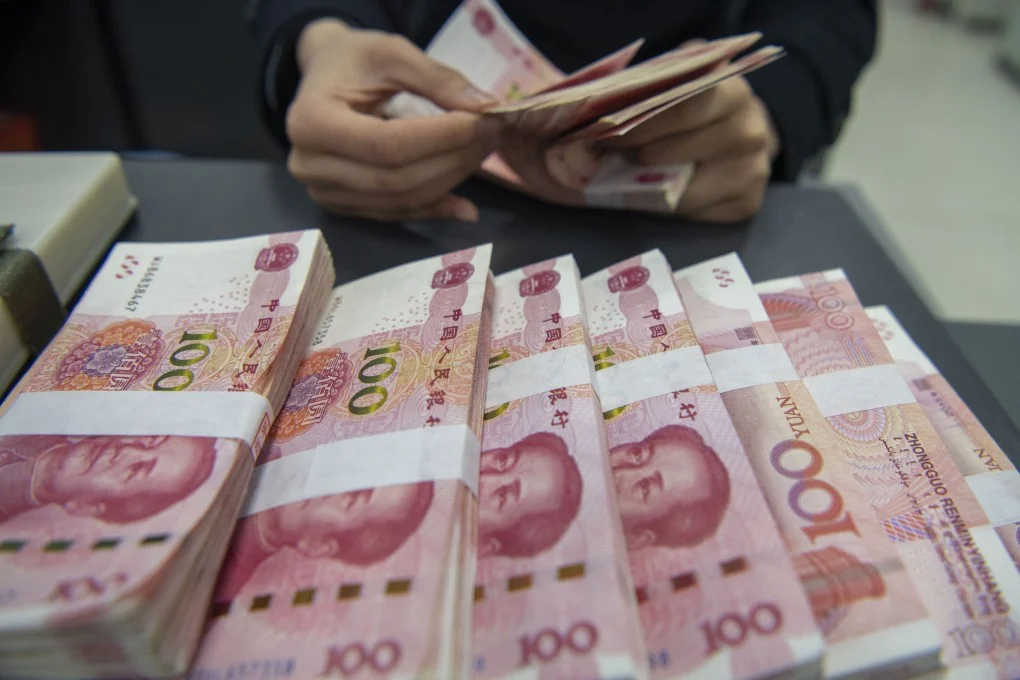
May 1, 2026, witnessed a significant step: China completely eliminated tariffs on imports from 53 African countries, with the exception of Eswatini, which maintains diplomatic relations with Taiwan.
A few weeks later, the People’s Bank of China announced a new package of measures to facilitate the international use of the yuan, as part of an integrated strategy aimed at enhancing China’s financial influence beyond its borders.
Morocco: New Business and Financing Opportunities
Morocco is one of the main beneficiaries of the Chinese decision, as it hopes to reduce its trade deficit with Beijing by increasing its exports, especially phosphates and their derivatives.
Morocco's exports to China amounted to approximately $980 million in 2023, compared to imports exceeding $6 billion.
The expansion of the use of the yuan also opens new horizons for Moroccan companies, by reducing dependence on the dollar in trade transactions, in addition to enhancing the Kingdom’s attractiveness to Chinese investments, especially in the automotive and electric vehicle sectors.
Kenya: From avocados to debt conversion
In Kenya, commercial and financial interests are clearly intertwined. Avocado exports to China have seen remarkable growth, rising from about 20 containers per week in 2022 to nearly 200 containers currently.
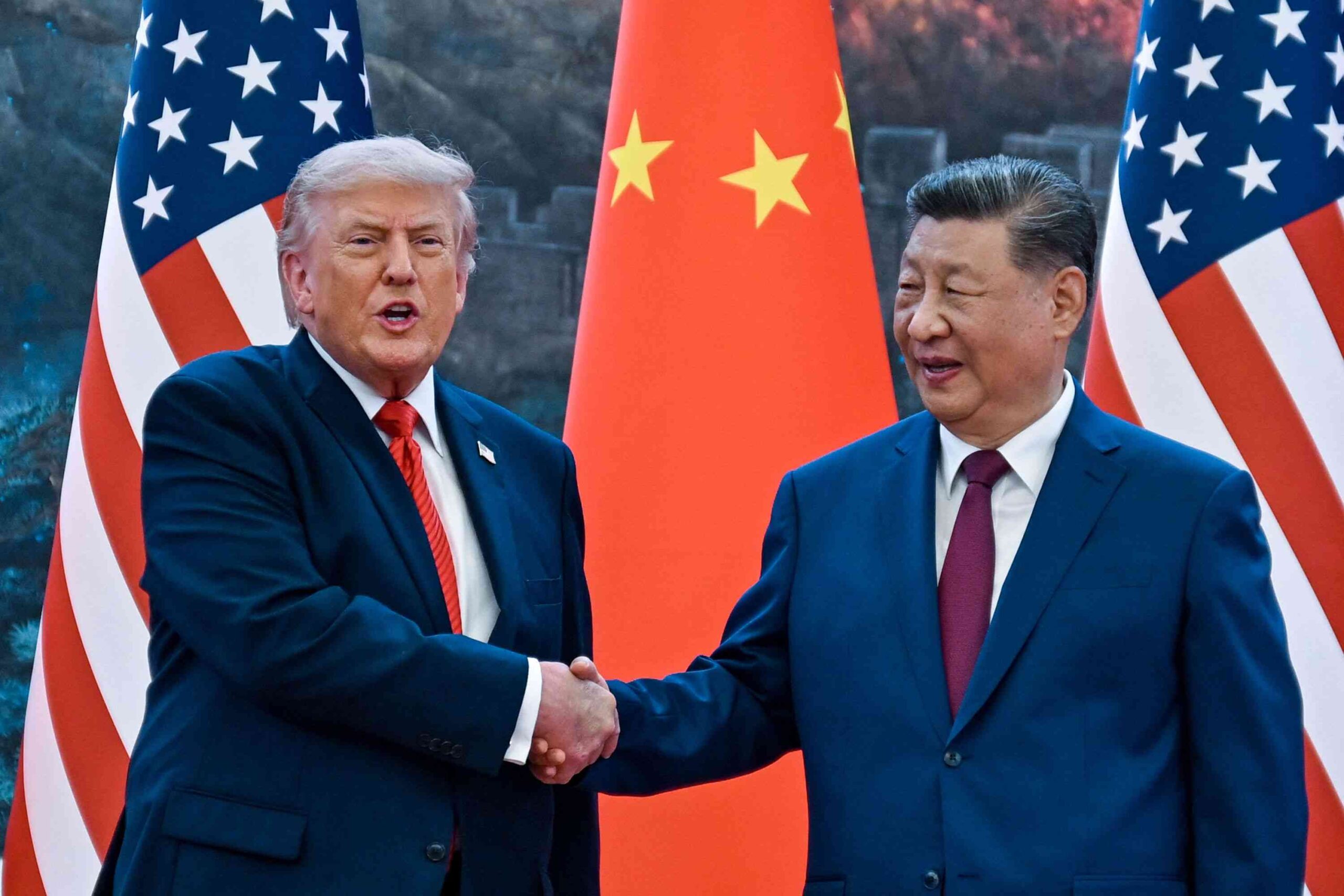
Meanwhile, Kenyan banks have begun issuing letters of credit in yuan to reduce dollar-related conversion costs.
The government also converted a number of Chinese loans earmarked for railway projects from dollars to yuan, which helped reduce annual interest burdens by hundreds of millions of dollars.
South Africa and Zambia: The yuan enters the financial structure
In South Africa, Standard Bank became the first African commercial bank to link with the Chinese Cross-Border Payments System (CIPS), enabling transactions worth hundreds of millions of dollars to be carried out within a few months.
Zambia, however, has taken a bolder step by collecting some taxes and mining revenues from Chinese companies in yuan, providing it with a direct means of paying its debts to China without having to go through the dollar or risk exchange rate fluctuations.
Nigeria and Togo: Diversifying Trade Tools
In Nigeria, economists see the use of the yuan as an opportunity to reduce over-reliance on the dollar, especially given the growing volume of trade with China. Nigerian exports have also benefited from Chinese tariff exemptions covering a variety of agricultural and industrial products.
In Togo, Ecobank is leading efforts to establish direct settlement mechanisms between the yuan and local African currencies, leveraging its presence in more than 30 African countries, which could help speed up payments and reduce their costs.
Integrated Chinese strategy
China’s moves are not limited to trade, but also include the development of new financial instruments, such as the FIMA RMB Repo mechanism, which allows foreign central banks to obtain liquidity in Chinese currency in exchange for guaranteed financial assets.
Beijing is also working to expand the use of the digital yuan and strengthen the infrastructure for cross-border payments, thereby consolidating the Chinese currency's position in the international financial system.
Is the yuan competing with the dollar in Africa?
Although African officials and banks are not offering the yuan as a direct alternative to the dollar, the cumulative series of steps – from customs exemptions to debt conversion and linking banking systems to Chinese payment networks – indicates a gradual shift in the nature of economic relations between China and Africa.
While the dollar still retains its dominant position, the continued expansion of the yuan’s use is presenting the African continent with a new financial reality that may prompt governments, banks, and companies to reconsider their monetary and trade strategies in the coming years.