Africa eases its debt burden: 10 countries top the IMF's list of least indebted nations
Low levels of outstanding debt

Written by Omnia Hassan
At a time when developing economies are facing increasing pressure due to global inflation and rising borrowing costs, several countries have succeeded African Maintaining low levels of debt owed to the International Monetary Fund through May 2026 gave it greater financial flexibility and the ability to direct spending towards economic development.
Lowering external debt is seen as an important element in promoting economic stability, as it allows governments to allocate more resources to infrastructure, healthcare, education and energy, rather than draining budgets on loan repayments and debt servicing.
African countries least indebted to the International Monetary Fund
According to IMF data as of May 27, 2026, the list of African countries with the lowest outstanding debts to the Fund is as follows:
1- Lesotho: $10.4 million
2- Djibouti: $25.4 million
3- Comoros Islands: $25.8 million
4- Sao Tome and Principe: $30.2 million
5. Equatorial Guinea: $31.3 million
6- Guinea-Bissau: $56.2 million
7- Cape Verde: $79.5 million
8- Burundi: $100.1 million
9- Seychelles: $103.7 million
10- Somalia: $116.3 million
Benefits of debt reduction
Economists believe that maintaining moderate levels of debt enhances investor confidence, supports the stability of local currencies, and reduces the risk of exposure to financial crises as a result of global economic fluctuations.
Creating a more attractive economic environment for foreign investment
Lower debt also allows governments to focus on long-term development plans, improve public services, and create a more attractive economic environment for foreign investment.
Namibia is a model of fiscal discipline.
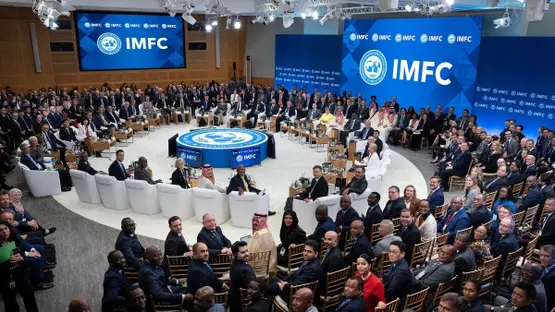
Among the most notable examples on the continent, Namibia recently managed to pay off all of its obligations to the International Monetary Fund, amounting to about $23.9 million, bringing its debt balance to zero, in a move that reflects improved financial management and budgetary discipline.
Economic reforms linked to debt restructuring
In contrast, Zambia continued to implement economic reforms related to debt restructuring, while Senegal focused on enhancing the transparency of public debt data in line with IMF standards.
Observers emphasize that the success of African countries in reducing debt levels is not only about avoiding financial crises, but also represents a strategic step towards strengthening economic sovereignty and achieving more sustainable growth in the coming years.