Our correspondent from Nigeria, Boubacar Sani
The “Concerned Fulani” group warned in Nigeria”The Fulani Rights Group, one of the most prominent groups defending the rights of the Fulani, called on the United States and a number of international bodies to stop “racially stigmatizing” the Fulani tribes and holding them solely responsible for the escalating security crisis in Nigeria, stressing that such narratives could exacerbate ethnic tensions within the country.
In a statement issued Thursday in the capital Abuja and signed by Ibrahim Barkindo Chupadu, the group criticized what it called ”contradictory international reports” on the security situation in Nigeria, particularly accusations linking Fulani herders to widespread violence and what is known as ”Fulani extremism.”.
Accusations of incitement against Fulani communities
The group stressed that attempts to link insecurity to Fulani identity are “dangerous and misleading,” noting that such narratives have already caused innocent Fulani communities to be subjected to attacks, discrimination, and hostility in several parts of the country.
The statement added that previous international reports, including American assessments, had warned of the dangers of racial generalizations that could lead to an escalation of societal conflicts.
The group revived the controversy that took place during the rule of former President Muhammadu Buhari, when security discussions were linked to Fulani identity and religion, which it said led to reprisals against Fulani communities in some central, northern and southern states.
The conflicts between herders and farmers represent a crisis that runs deeper than the ethnic dimension.
The group explained that clashes between herders and farmers are often oversimplified in public discourse, although experts link their causes to land disputes, climate pressures, grazing routes, and local political tensions.
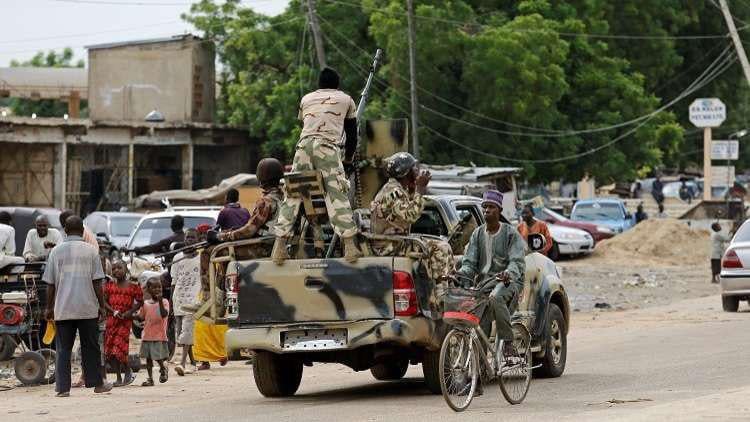
She pointed to the recurring violence in the states of Benue, Plateau and Taraba, stressing that many Fulani families have lived in those areas for generations and should not be treated as “intruding or invasive groups.”.
The group also stressed that previous security assessments described the crisis between herders and farmers as having primarily economic and environmental dimensions, and not just ethnic or religious ones, calling for reforms in grazing and land use policies and enhanced law enforcement.
Security issues that sparked widespread controversy
The statement referred to criminal incidents in the states of Ekiti, Ondo and Edo, saying that early accusations were made against Fulani communities before security investigations later revealed different information.
The group cited the 2022 attack on St. Francis Catholic Church in Owo, Ondo State, where Fulani herders were initially blamed, before the Nigerian Defence Force linked the attack to criminal elements associated with one of the Ibera ethnic groups.
Nevertheless, the group said that some Fulani residents in Ondo state were subsequently subjected to arrests and “racial profiling” after the attack.
Criticism of US reports and calls for fairness
The statement expressed concern over reports attributed to the United States Commission on International Religious Freedom, which alleged that some 30,000 armed Fulani were behind the security crisis in Nigeria.
The statement described these claims as “unfair stereotyping” that could fuel racial divisions and increase national tensions.
The group stressed that the security crisis in Nigeria involves multiple parties from different backgrounds and regions, including armed gangs, terrorist groups, kidnappers, separatist movements, and local militias.
The group concluded its statement by calling for balanced media coverage and evidence-based analysis, urging Nigerian authorities and international partners to prioritize justice and national unity in the face of security challenges.
The statement stressed that “Nigeria’s future cannot be built on blaming one particular ethnic group or on spreading narratives of division and mutual suspicion.”.