Great power struggles: Africa sees China and Russia as alternatives to American imperialism
America considers China and Russia an existential threat.
Written by Ziad Abdel Fattah:
Recent months have witnessed a shift in the geopolitical landscape, with the United States adopting a more confrontational stance toward its global rivals, such as China and Russia. The US views China as a global threat due to its growing economic power and international influence. To make matters worse, Beijing and Moscow appear to enjoy good diplomatic relations with many countries. African.
According to an analysis by Chip Reports, for African countries, the growing struggle for influence between the United States, China and Russia may seem distant, but it has consequences.
A new national security strategy
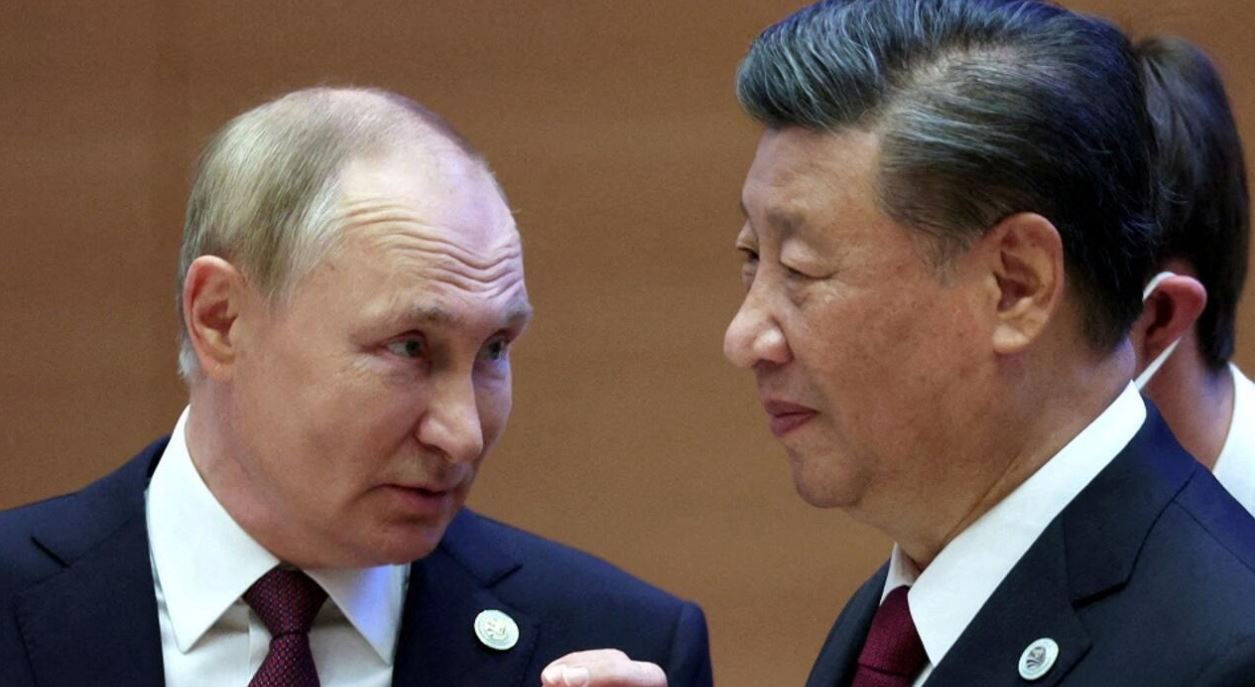
The United States recently released a new national security strategy, which some see as a plan to thwart the advance of China and Russia. America now considers these two countries an existential threat, and therefore, every effort must be made to stop them. This kind of behavior has led in the past to trade disputes between the United States and China.
While Africa is at the heart of these developments, the United States views Africa as a continent that must be protected from Chinese and Russian influence, and the United States has launched initiatives in Africa to try to counter Chinese influence.
Recently, as part of its “America First” global health strategy, Washington signed bilateral memoranda of understanding for health cooperation with 16 African countries, including Uganda. Several of these countries will receive more than $2 billion over the next five years under these arrangements, while this move comes at a time when Chinese trade with Africa has seen significant growth.
In 2024, bilateral trade between China and Africa reached a record high of approximately $295.6 billion, according to several reports, making China Africa’s largest trading partner.
China has funded infrastructure projects in many African countries. In Uganda, China funded the Entebbe Expressway.
In the same context, Russia’s influence in Africa has increased, with Moscow strengthening cooperation in areas such as security, education and energy, and Uganda being among the beneficiary countries.
On October 26, 2025, Russia donated $53 million worth of military and engineering equipment to the Ugandan People’s Defence Forces (UPDF).
The United States' dilemma
It appears that the United States under Trump has resorted to coercion. Trump has used tariffs and sanctions not only against China, but also against other countries considered close to Beijing. Recently, the United States threatened to impose tariffs of 100% on all Canadian goods if Canada makes an agreement with China.
Many African countries view the United States differently than China and Russia, as many African countries lack the strong economic structure that would enable them to confront the United States, and they do not have a strong presence in an international organization such as the United Nations, which would have helped them to present a collective position.
When wars break out between the United States, China, and Russia, the global supply system for goods is affected by the economies of African countries. Countries like Uganda, which profit from coffee exports, do not want global markets to be disrupted by trade wars between these developed nations. Therefore, when the world's major powers fight, countries like Uganda often pay the price.
To make matters worse, the United States views organizations such as the United Nations, the World Trade Organization, and others as powerless to influence. They cannot restrain Washington because many of them are heavily funded by the United States. When the United States recently invaded Venezuela and kidnapped its president, Nicolas Maduro, these organizations stood idly by. While a few condemned the move, their statements were carefully worded.
Africa's view of China and Russia appears different
China and Russia appear different from the United States. China, for example, states that it seeks a “win-win” situation with the countries with which it has relations, and affirms that it does not seek to impose its cultural or political values, and refrains from interfering in the internal affairs of those countries. China focuses its attention on trade and natural resources.
African policymakers often praise this Chinese stance, seeing it as a welcome alternative to the United States, which often dictates to African countries what to do.
More recently, when Trump met with Rwandan President Paul Kagame and Democratic Republic of Congo President Felix Tshisekedi for peace talks, his demeanor suggested he was the one in charge, a stance China avoids.
Similarly, Russia’s engagement with Africa is based on mutual respect, not domination, and Russia will provide assistance to any country without conditions.
Therefore, from the perspective of many African leaders, China and Russia have provided them with an alternative to the United States and the West, who are willing to interfere in the internal affairs of the countries they assist.
But an interesting trend is taking root in Africa, where some countries, such as South Africa, have taken an anti-American stance on several issues, including the Israeli-Palestinian conflict.
In 2023, South Africa filed a landmark lawsuit at the International Court of Justice accusing Israel of violating the 1948 Genocide Convention during its military operations in Gaza. This did not sit well with the United States, which began imposing sanctions and high tariffs on goods coming from South Africa.
The African Union has called for greater representation of Africa in global decision-making bodies such as the United Nations, where it seeks to be granted a permanent seat on the UN Security Council. In many meetings of the Conference of the Parties, African countries have demanded an equal voice and fair treatment on matters relating to climate change.
In short, African states have tried to counter the rise of American imperialism. But this may not be enough. Africa must insist that its relationship with the United States, China, or Russia be based on mutual respect. If one state does not respect the sovereignty of another, or its aspirations, then that relationship will be unbalanced.
Amid the escalating conflict between the United States, China, and Russia, Africa has several options.