Who will prevail? Details of the Iran-US negotiations in Pakistan
Behind the scenes of the first hours of the Iran-US negotiations
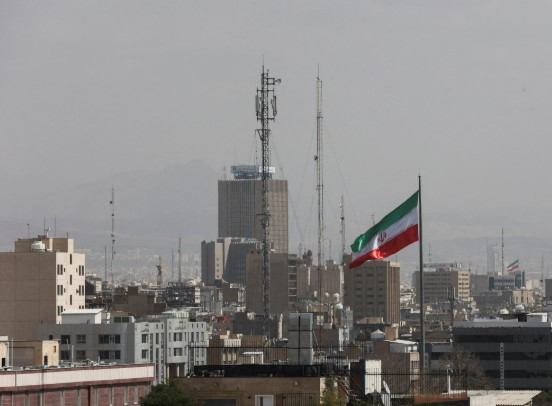
Senior US and Iranian officials met in the Pakistani capital, Islamabad, on Saturday for talks aimed at ending the war between them, amid international and regional anticipation of the outcome of the negotiations.
According to Reuters, the talks between US Vice President JD Vance, Special Envoy Steve Wittkopf, President Donald Trump’s son-in-law Jared Kushner, Iranian Parliament Speaker Mohammad Baqer Qalibaf, and Foreign Minister Abbas Araqchi lasted two hours before the delegations paused for a break. Pakistani Army Chief of Staff Asim Munir attended the negotiations.
Iran-US negotiations
The office of Pakistani Prime Minister Shehbaz Sharif announced that he met on Saturday with US Vice President J.D. Vance, Special Envoy Steve Wittkopf, and President Donald Trump’s son-in-law Jared Kushner.
The Iranian delegation, headed by Parliament Speaker Mohammad Baqer Qalibaf and Foreign Minister Abbas Araqchi, also met to determine the timing and method of negotiations.
On the sidelines of the negotiations, US and Iranian statements regarding the Strait of Hormuz differed. A US official told Axios that several US Navy ships crossed the strait today, which Iran’s blockade has caused the biggest ever disruption to global energy supplies.
Iran-US negotiations in Pakistan
However, Iranian state television and a Pakistani source denied that any American ship had crossed the strait.
This was followed by a post from US President Donald Trump on social media in which he said: “We are now beginning the process of clearing the Strait of Hormuz,” adding that all 28 Iranian ships that were dropping mines had been sunk.
The direct talks came after mediation by Pakistani Prime Minister Shehbaz Sharif, with Tehran setting out its red lines that it said Washington must accept before face-to-face talks could begin.
Terms of Agreement
According to Iranian state television, among the conditions Tehran has set for the Sharif of the Strait of Hormuz are the release of frozen Iranian assets, payment of war reparations, and a ceasefire to be imposed throughout the region.
Iran is also calling for a ceasefire in Lebanon, where Israeli attacks on Hezbollah fighters have killed nearly 2,000 people since fighting began in March.
Iran is expected to demand compensation for all the damage it suffered during the six-week war.
The United States has not commented on this matter.
Iran wants to be allowed to enrich uranium, something Washington has ruled out and President Donald Trump has insisted is non-negotiable.
Both Israel and the United States want to significantly reduce Iran’s missile capabilities, while Tehran has stated that its massive missile arsenal is non-negotiable.