Written by Omnia Hassan
Despite the unprecedented achievement of the teams African In the 2026 World Cup, after 9 out of 10 teams successfully reached the knockout stages, the joy of the African continent quickly turned into disappointment with the start of the Round of 32 competitions.
Ivory Coast, Senegal, the Democratic Republic of Congo, and South Africa have exited the tournament, while Morocco has advanced to the Round of 16. Egypt, Algeria, Ghana, and Cape Verde are still awaiting their decisive matches.
Collapse at the death knell
What was striking about the early exit of several African teams was not the defeats themselves, but the manner in which they occurred. Most of them came after conceding killer goals in the final minutes or during extra time, repeating painful scenarios that prevented the continent from capitalizing on its historic achievement.
Senegal is the most prominent example, as they squandered a two-goal lead against Belgium before conceding three goals and losing the match 3-2 in one of the tournament's most exciting encounters.
Loss of focus in crucial moments
One of the most prominent reasons for this collapse was a loss of focus during the final minutes, with some teams committing costly individual errors, whether in passing or defensive positioning, which gave opponents valuable opportunities to change the course of the matches.
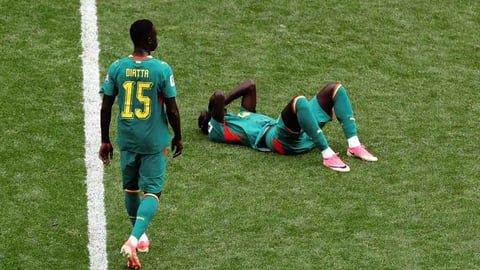
Despite many African teams possessing distinctive technical talent, maintaining focus until the final whistle remained a clear weakness in a number of matches.
Lost opportunities are very expensive.
Wasting opportunities also played a major role in the exit of more than one African team, as teams failed to capitalize on their periods of dominance to settle matches early.
Senegal missed several chances that would have sealed the match against Belgium, while Ivory Coast failed to capitalize on opportunities after equalizing against Norway. Meanwhile, the Democratic Republic of Congo could not convert their dominance against England into goals that would have secured them passage.
Tactical mistakes that brought the opponents back
Despite most African teams having experienced technical staff, match management after taking the lead was not up to par, as excessive defensive play gave opponents the space and confidence to come back into the game.
As some technical substitutions did not achieve the desired impact, which negatively reflected on the defensive balance and the ability to close out matches in their crucial moments.
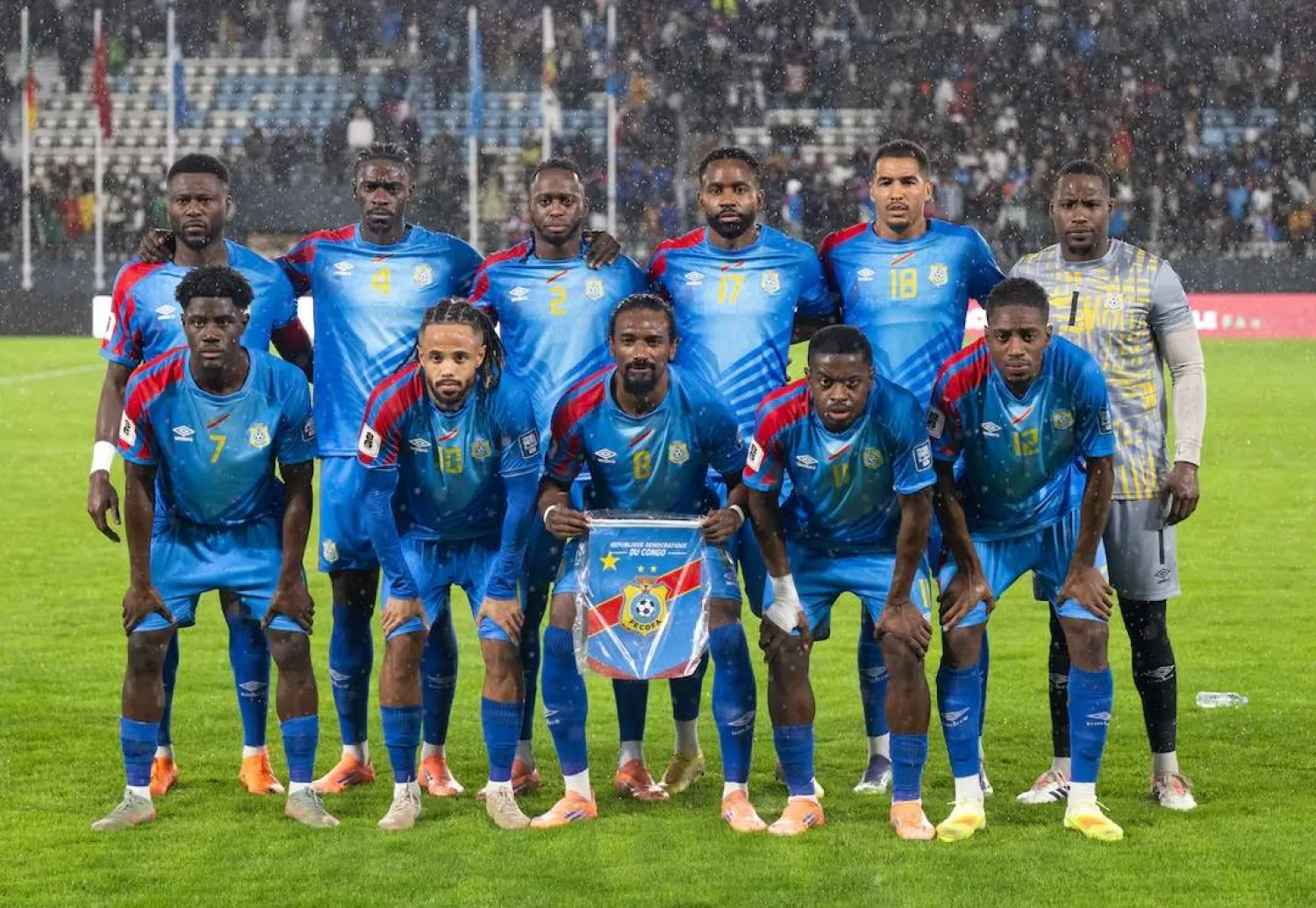
In this context, the Belgian coach pointed out that African teams “lose their tactical organization in the final minutes of the match,” referring to a problem that recurred with more than one team during the tournament.
Is Africa learning from the experience?
Despite the bitterness of exiting, what African teams presented in the 2026 World Cup confirms the great development football is experiencing on the continent. However, competing for world titles does not solely rely on skill and physical potential; it also requires experience and managing small details, especially in the final minutes, which often make the difference between making history and leaving the tournament.