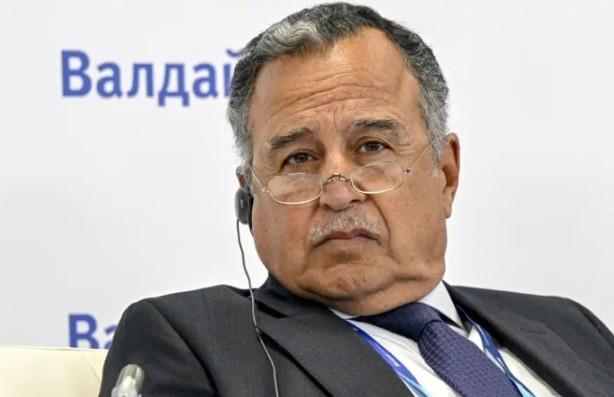
Written by: Badr Ahmed
Arab foreign ministers, during a consultative meeting held in the Jordanian capital Amman on Monday, approved the selection of Dr. Nabil Fahmy as Secretary-General of the League of Arab States, in preparation for him to assume his duties starting from July 1, succeeding the current Secretary-General Ahmed Aboul Gheit, whose term ends on June 30.
Arab foreign ministers approve the appointment of Nabil Fahmy as Secretary-General of the Arab League.
The decision came ahead of the resuming session of the 165th regular session of the Council of the League of Arab States at the ministerial level, where ministers discussed a number of organizational and administrative issues related to the work of the League, in addition to coordinating Arab positions on regional and international issues on the agenda.
The consultative meeting was held at the invitation of Jordanian Deputy Prime Minister and Minister of Foreign Affairs and Expatriates Ayman Safadi, with the aim of reaching an agreement on a number of issues, most notably the appointment of Nabil Fahmy as Secretary-General of the Arab League, given the impossibility of holding the Arab Summit, which was scheduled to be hosted by the Kingdom of Saudi Arabia last March, due to regional circumstances and the state of instability in the region.
The Arab foreign ministers had agreed, during their meeting held at the end of last March, to nominate Fahmy to assume the position, with the official procedures for his approval to be completed during the current ministerial meetings.
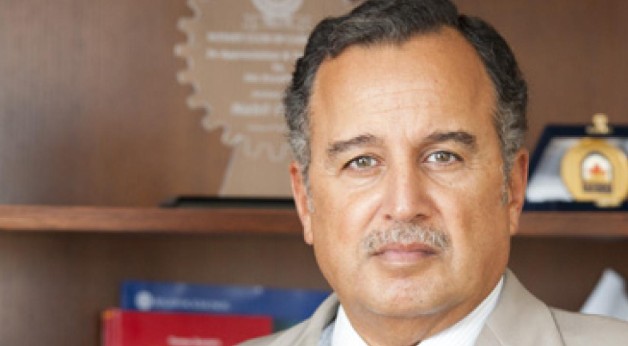
Fahmy’s selection comes at a critical juncture for the Arab region, amid growing political and security challenges, and repeated calls to strengthen the role of the Arab League and develop its working mechanisms to enable it to deal more effectively with the crises and rapid transformations in the Arab world.
In a related context, the Jordanian capital, Amman, is hosting today and tomorrow the sixth session of the Arab-European Ministerial Meeting, in a move that reflects the keenness of both sides to reactivate the mechanisms of political dialogue and joint cooperation after years of stagnation.
The meeting is of particular importance in light of the rapid developments in the Middle East region, most notably the war in the Gaza Strip, the situations in Syria and Lebanon, as well as the challenges related to maritime security in the Red Sea and issues of migration, energy and food security.
The Arab-European meeting is expected to witness extensive discussions on ways to enhance political coordination and support diplomatic efforts aimed at calming regional tensions and achieving stability, with a special focus on the Palestinian issue and international moves aimed at reviving the political process and supporting the two-state solution.