After the death of 28 people, the Angolan mine disaster exposes the dangers of illegal mining in Africa.
Why do African mining disasters keep happening?
Written by: Mohammed Omran
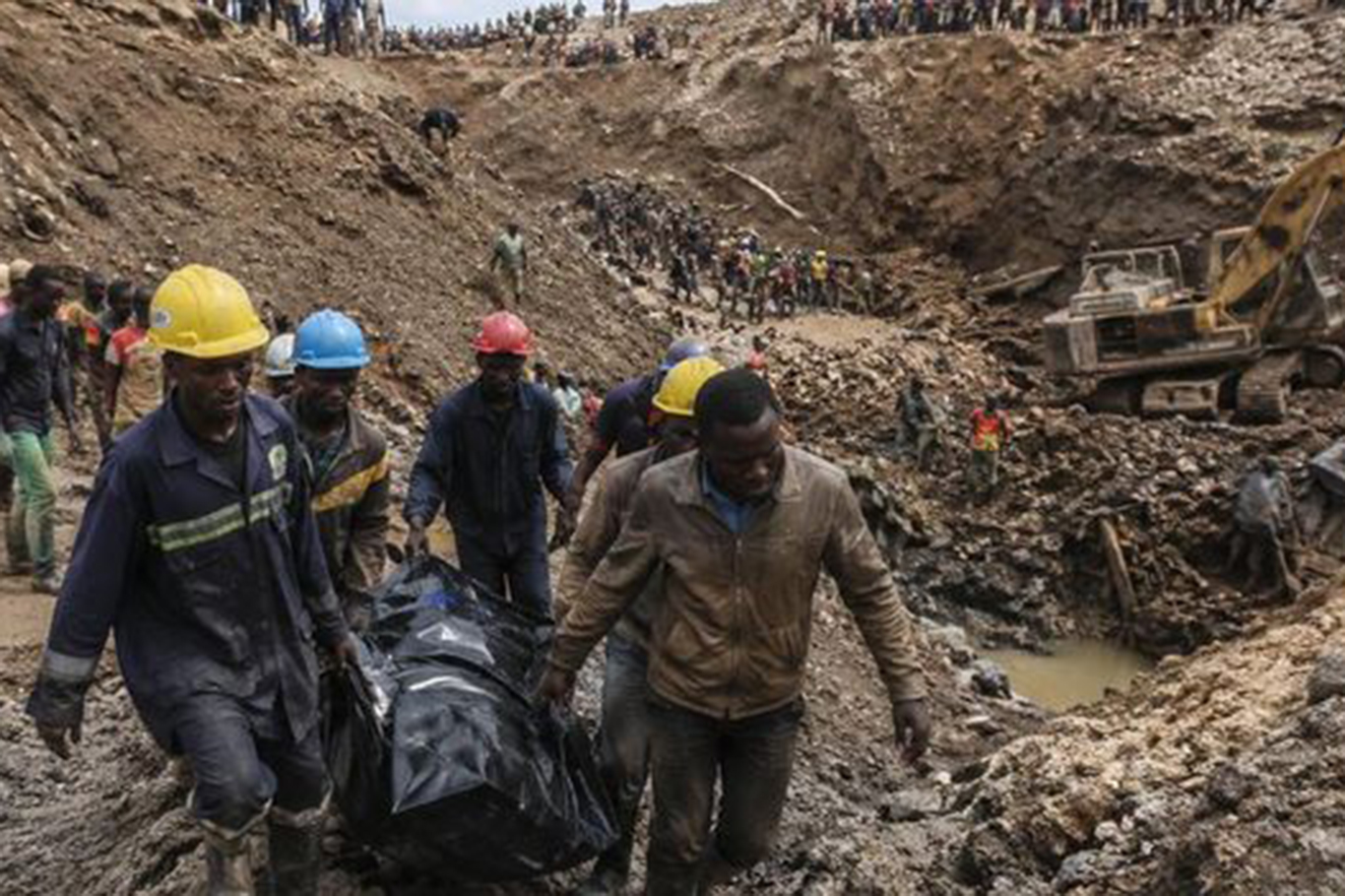
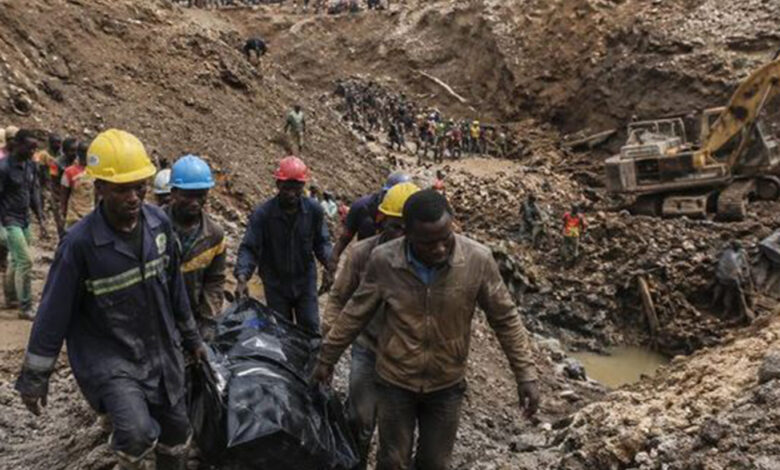
Twenty-eight people were killed when a landslide struck an illegal gold mining site in Bengo province in northwestern Angola, in one of the deadliest illegal mining accidents in the country, local authorities said.
The county's Civil Protection and Fire Department said the incident occurred inside an illegal artisanal mining site, noting that four people were rescued from the site, and that search and rescue operations ended after the victims were recovered.
Authorities explained that the ages of the dead ranged between 16 and 35 years old, and the incident brings renewed attention to the phenomenon of illegal mining in Angola, which was linked for decades to the diamond industry, before witnessing an expansion into artisanal mining activities for other minerals, most notably gold.
Diversification of the mining sector
Angola is one of the leading diamond producers in Africa, but changes in global markets in recent years have prompted the country to diversify its mining sector by increasing its focus on minerals such as gold and copper.
In light of this trend, some areas have witnessed an increase in artisanal and illegal mining activities, which are often carried out outside official frameworks and without the required safety procedures, thus increasing the likelihood of accidents and collapses within work sites.

The collapse of the Bengo mine adds to a series of incidents linked to illegal mining in a number of African countries, where thousands of people continue to work in difficult and dangerous conditions in search of income from extracting minerals.

The Angolan government is seeking to develop the mining sector and enhance the utilization of natural resources, in parallel with efforts to reduce illegal activities within mines. However, the Bingu incident reflects the continuing challenges associated with monitoring irregular mining sites, especially in areas experiencing increased gold mining activity.
The incident is among the deadliest illegal mining accidents in Angola in recent years, and investigations are ongoing to determine the circumstances of the incident.