Between hunger and war, Somali children face the risk of death at the hands of Iran and America.
The repercussions of the war on Iran are exacerbating the malnutrition crisis in Somalia and threatening the lives of children.
Written by: Qusay Ahmed
Faced with two simultaneous crises—the threat of imminent famine and drastic cuts in foreign aid—children Somalia Those suffering from malnutrition are facing an increasing threat, as the US-Israeli war on Iran has added new burdens beyond rising fuel prices, turning it into a matter of life or death.
The repercussions of the war in the Middle East extend to a food crisis in Somalia.
Field reports, according to Reuters, showed that shipping disruptions caused by the war led to a severe shortage of life-saving therapeutic foods, forcing health centers to ration supplies or even refuse to admit cases of severe malnutrition among children.
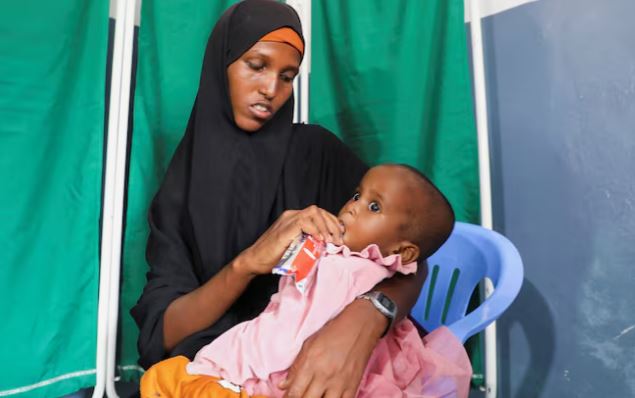
Around half a million children under the age of five in Somalia are suffering from severe acute malnutrition, the most dangerous form of hunger, while supply delays are exacerbating the effects of reduced international aid.
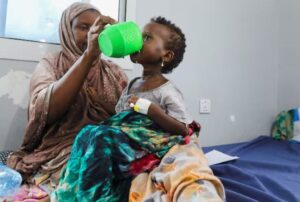
In the cities of Baidoa and Mogadishu, health workers confirmed that they had to reduce rations of therapeutic milk and nutrient-rich food pastes, which are essential for saving children's lives.
Nurse Hassan Yahya Khairi told Reuters: “Due to the huge needs and the scarcity of supplies, we have had to reduce the quantities we provide to children.”.
He noted that the remaining stock of peanut paste at his clinic, which treats more than 1,200 children, could run out in just two weeks, according to the International Rescue Committee, which supplies the facility.
Humanitarian organizations warn that interruption or irregularity of treatment could lead to a serious deterioration in the health of children, and it may become impossible to save them later.
In Baidoa, a mother of nine is seeking therapeutic food for her infant daughter, but has been turned away twice due to stock shortages.
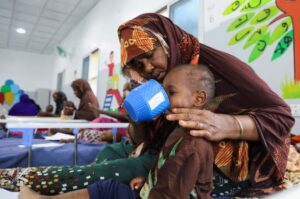
According to the same agency, the mother recalls a previous experience in which she almost lost her child due to hunger during the drought of 2017, stressing that this food was the reason for her survival.
This comes at a time when a new drought has pushed some 6.5 million Somalis, or a third of the population, into acute levels of hunger, while organizations try to fill supply gaps amid mounting challenges.
Shipping disruptions have delayed food shipments, with an order sufficient for more than a thousand children stuck in an Indian port due to congestion, forcing organizations to cancel it and look for more expensive alternatives.
The cost of a single carton of therapeutic food has also increased to $200, compared to $55 previously, which has significantly reduced the number of children benefiting.
In the same context, the shipping time for supplies from Europe to Somalia has increased to between 55 and 65 days, after it used to take about a month, as a result of the shortage of ships and the diversion of their routes.
International data indicates that more than two million people in Somalia are in the food emergency phase, which is the phase immediately preceding famine, while the number of children admitted to health centers with severe acute malnutrition increased by 35% during the first quarter of this year.
More than 200 health facilities have also closed due to lack of funding, depriving tens of thousands of children of treatment, amid warnings that the number could rise to 150,000 if the funding gap continues.
The United Nations is seeking to raise $852 million to avert a widespread famine, but has received only about $141 TP3T of that amount so far, further complicating the crisis and threatening to worsen the humanitarian disaster in the country.