$240 billion in one year: Mobile phones are changing Africa's economy
Mobile phone services in the continent
Written by: Ayman Ragab
The “Africa Mobile Economy 2026” report issued by the GSM Association (GSMA) confirmed that the mobile communications sector continues to consolidate its position as one of the main drivers of economic growth and digital transformation in the continent, after mobile technologies and services contributed about US$240 billion to the African economy during 2025, equivalent to 7.8% of the continent’s GDP.
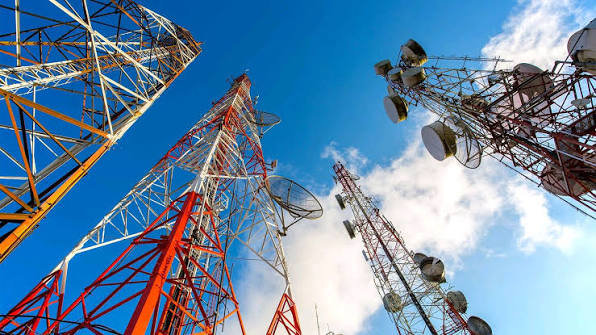
The report indicated that the sector provided approximately 13 million jobs and contributed to achieving public revenues of US$45 billion, reflecting the growing role of digital connectivity in supporting economic activity, innovation and development in various African markets.
From expanding coverage to maximizing digital value
After a full decade during which telecommunications companies focused on expanding connectivity and access to users, companies are now moving towards a new phase aimed at maximizing the economic and social value of digital networks, whether for consumers, businesses, or governments.
In this context, telecommunications companies are no longer content with their traditional role as a provider of communication services, but have become a key partner in digital transformation efforts, through the use of artificial intelligence technologies, the expansion of digital services, and making network capabilities available to developers through unified application programming interfaces.
According to research conducted by GSMA Intelligence, 79% of telecom companies in Africa see the transition to an integrated digital partner as a key strategic objective for the next phase.
The report anticipates that the contribution of mobile technologies and services to Africa’s economy will rise to US$290 billion by 2030, driven by the expansion of digital service adoption and the continued contribution of connectivity to boosting productivity, innovation and economic development across the continent.
In light of this shift, the main challenge is no longer expanding network coverage, but ensuring that individuals, businesses, and governments fully benefit from the digital infrastructure already available.
Artificial intelligence leads the new phase
Vivek Badrinath, Director General of GSMA, said that the mobile communications sector in Africa is entering a new phase of development after successfully connecting millions of individuals and businesses over the past decade.
He added that the focus is increasingly on unlocking greater value through artificial intelligence, digital services, and new forms of innovation, noting that seizing this opportunity requires continued investment, the adoption of policies that support innovation, and a shared commitment to ensuring that everyone benefits from the opportunities offered by digital technologies.
Badrin also called on various parties in the technology supply chain, including manufacturers of components that enable the production of digital devices, to contribute to narrowing the usage gap and making digital technologies more accessible and more affordable.
Across the continent, telecommunications companies are moving towards integrating artificial intelligence into their operations to improve network performance, enhance customer experience, and support the development of new digital services.
However, the report draws attention to an important challenge: the great linguistic diversity in Africa, which includes more than 30% of the world’s languages, while the majority of leading AI models currently rely on English and other languages with rich digital resources.
To address this gap, initiatives such as the GSMA’s “AI Language Models in Africa, from Africa, for Africa” program are working to develop the data, computing infrastructure, skills, and policy frameworks needed to build an African-inspired and African-oriented AI ecosystem.
APIs open new horizons
The report highlighted the growing momentum of the GSMA Open Gateway initiative, which enables network operators to provide unified APIs for developers and businesses.
These capabilities contribute to the development of new digital services, enhance identity verification and fraud prevention capabilities, and support digital trust in multiple sectors including financial services, e-commerce, and digital government services.
The report argues that public policies will play a crucial role in determining Africa’s ability to benefit from the next wave of digital growth, as factors such as investment incentives, spectrum availability, affordability, and regulatory stability will affect the pace of innovation and expansion of digital infrastructure on the continent.
The usage gap goes beyond the coverage challenge
Despite significant progress in expanding networks, the report warns that Africa’s biggest digital challenge today is no longer network coverage, but actual usage rates.
While mobile broadband networks cover the majority of the continent's population, approximately 631,000 people (TP3T) of Africans still live within coverage but do not use mobile internet. Conversely, the percentage of the population that remains outside mobile broadband coverage is only 91,000 TP3T.
The report indicates that affordability is the biggest obstacle to mobile internet use in most African markets, along with limited digital skills and other social barriers.
This highlights the need to strengthen initiatives aimed at reducing the cost of digital devices, expanding digital skills programs, and creating a more inclusive digital environment for all segments of society.
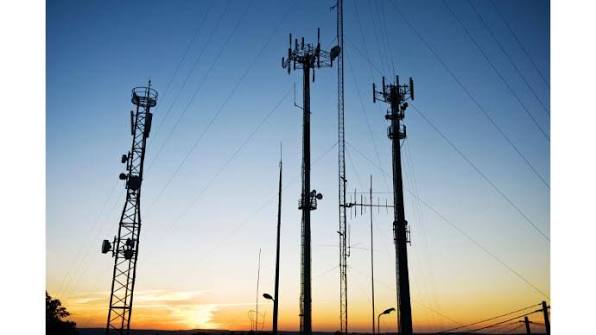
$76 billion in anticipated investments
To support the next phase of digital growth, the GSMA calls for the adoption of policies that encourage investment, improve affordability, and contribute to accelerating the adoption of digital technologies.
The report predicts that mobile network operators in Africa will invest more than US$76 billion in network infrastructure between 2024 and 2030.
Evidence from a number of African markets also suggests that reducing taxes on digital devices and services can directly contribute to accelerating technology adoption and expanding the benefits of the digital economy for citizens and businesses.
With the acceleration of digital transformation, the report argues that Africa’s success in the next phase will depend not only on expanding networks, but also on its ability to transform connectivity into real economic and social value, ensuring broader participation in the digital economy and enhancing opportunities for sustainable growth across the continent.