The Dinka people: thrones of herding and iron smelting
Prepared by Dr. Alia Amer
A demographer specializing in gender studies
Representative of North African countries – African Union for Population Studies
The Dinka, kings of the Nile and spear makers
The Dinka tribe sits atop the throne of the Nilotic groups in South Sudan as the most numerous and widespread, with their vast homelands extending from the waters of the Lower Sobat through the Bahr al-Jabal and as far as the depths of the Bahr al-Ghazal, occupying a vital geography that begins longitudinally from the sixth parallel north and extends to the twelfth parallel north.
Despite this great extent, their northern front is narrow and isolated, as it adheres to the eastern side of the White Nile River with a width not exceeding thirty kilometers, thus separating them completely from their vast and greater southern homeland, amidst a geographical overlap in which the Nuer tribes separate these distant regions.
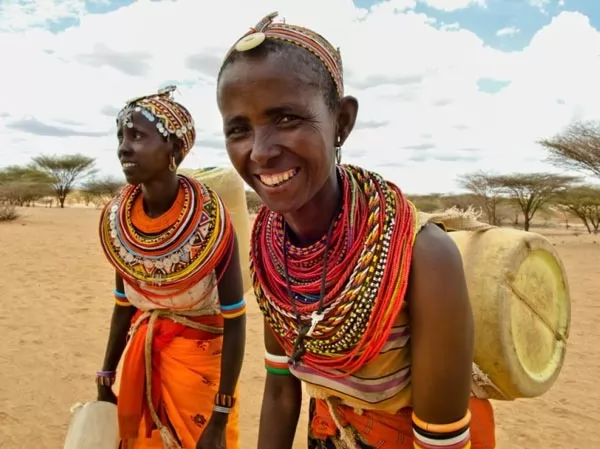
Despite the cultural unity represented by the unity of language, religion, and shared customs and traditions, the features of their economic and social lives vary greatly, driven by the harshness of natural and local conditions that imposed a unique lifestyle on each clan.
This environmental contrast is clearly evident in the central part of the Dinka homeland, where vast swamps are widespread and water covers huge areas, hindering movement and forcing the Mon Than groups to cling to remaining on isolated dry land patches amidst the water, making fishing a primary occupation to compensate for the scarcity of livestock and the limited agricultural activity.
It is the same watery fate that the Bor tribe, who live near the waters of the Bahr al-Jabal, shares with them, and whose name carries within it the meaning of the submerged.
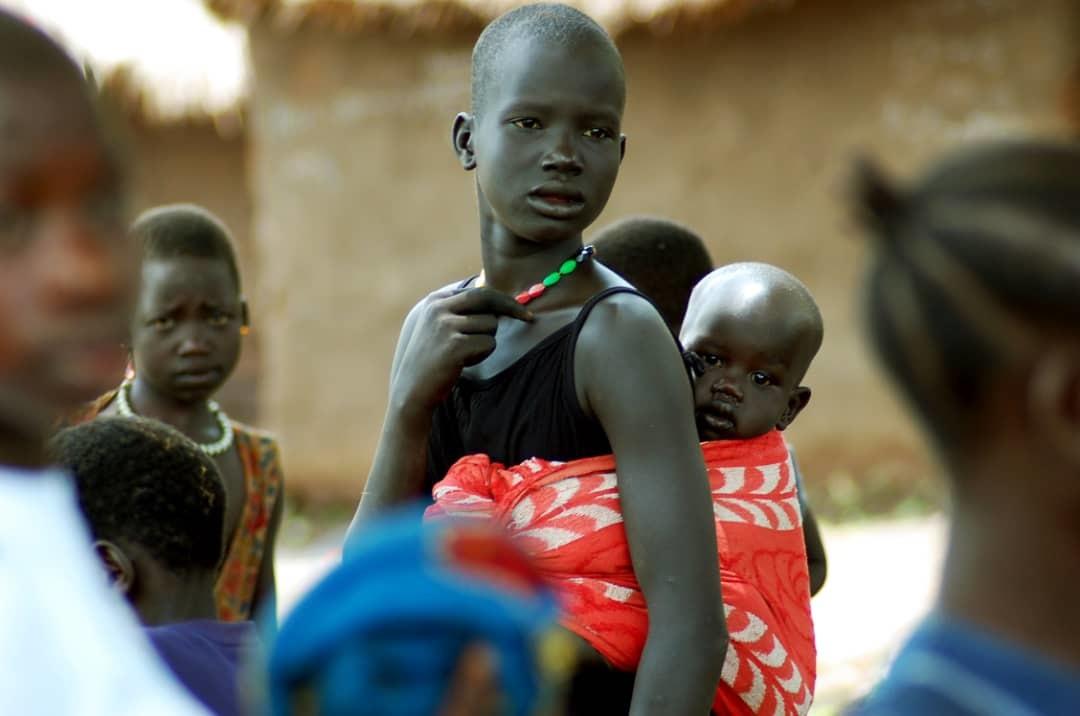
Sik tribe
In contrast, these natural challenges led the Sik tribe, settled in the plains of the western Bahr el Ghazal, to completely abandon the acquisition of cattle, creating for themselves a unique economic identity based on fishing and the professional extraction and smelting of iron, so that their clans turned into industrial fortresses that supplied other tribes with weapons and equipment.
Their iron smelting process is carried out with traditional inherited skill by building a towering clay stove that reaches a height of one hundred and seventy-five centimeters and a width of sixty centimeters. Its bottom includes fine holes for airflow, where the thick firewood is placed, and on top of it a layer of charcoal that exceeds one meter in thickness, topped by the raw metal that contains fifty percent iron, then the mixture is covered with another layer of charcoal.
In a laborious smelting process that takes twenty-four continuous hours, a round iron mass with a diameter of twenty centimeters is finally deposited. These metal discs become the official currency and the unit of trade and barter with which they buy small livestock and household utensils.
In fact, they constitute the basic component for the manufacture of spears and lances, and are paid as a dowry for marriage in the amount of fifty or sixty discs, a dowry that is considered cheap and much cheaper compared to the dowries of the pastoral Dinka tribes, which made the blacksmith clans inclined to marry among themselves because of the difficulty of their intermarriage with the pastoral tribes who measure a person’s worth by the ownership of herds.
alien culture
Historians and researchers believe that this metalworking and iron smelting industry is alien and foreign to the basic Dinka culture, attributing its origin to cultural influences from previous groups that settled in the region or from peoples migrating from the south, where iron industries flourish.
This view is supported by the fact that the names of the blacksmith clans engaged in smelting are not names of Dinkawi origin.
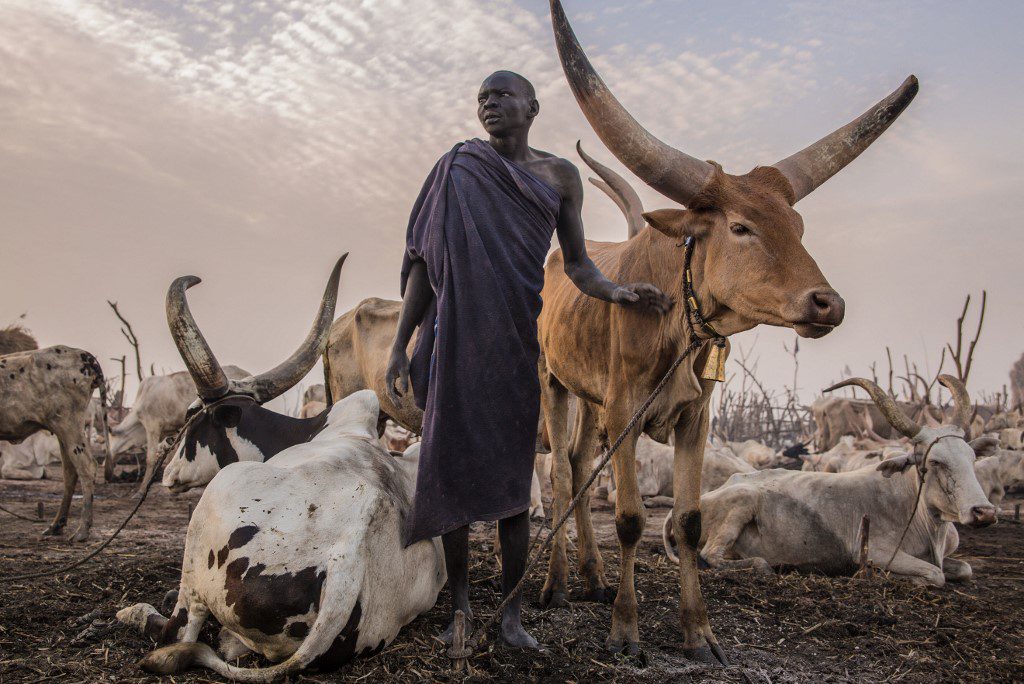
In stark contrast to the lives of the blacksmiths and swamp dwellers, the rest of the pastoral Dinka tribes make the acquisition of livestock, especially cattle, the cornerstone of their economy and a symbol of their prestige and the spirit of their social and tribal pride.
The pastoral Dinkawi ties his entire life to his herd, so the men travel with their livestock to live together in temporary huts or sleep in the open in order to protect them.
Lighting fires
At nightfall, a great fire is lit in which cattle dung is burned, so that thick smoke rises from it to repel swarms of harmful mosquitoes from the herds. The animals are carefully and steadily tied to wooden stakes driven into the ground to protect them from the risk of theft and to keep them close to the warmth of the hearth.
The Dinkawi individual displays unparalleled bravery, daring, and exceptional courage in defending and protecting his livestock, using in his defense the long spear with its various points and the shooting javelins made of solid, polished wood, which end with a circular wooden pulley.
While the Dinka war culture is devoid of the use of swords, bows and arrows, with the exception of limited groups and certain tribes living in the Bahr el Ghazal basin, such as the Agar tribe, which was directly affected by its long contact with neighboring southern peoples and tribes.