The Dinka tribe in South Sudan: The largest population group and guardian of traditions and culture
The Dinka: The backbone of society in South Sudan
Written by: Mohamed Ragab
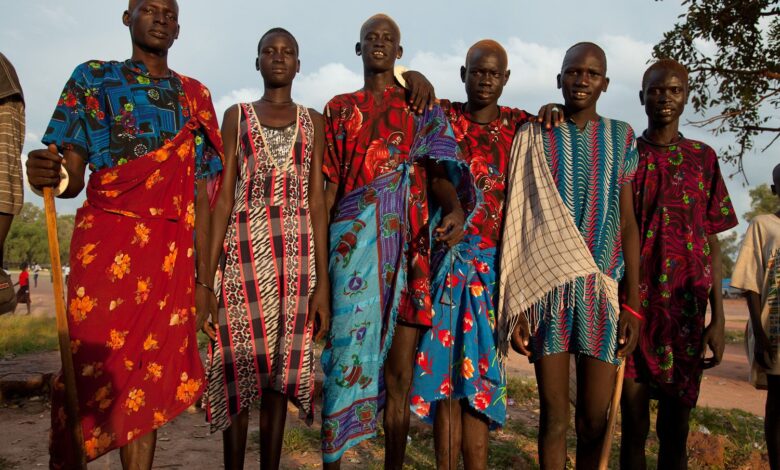
The Dinka tribe is the largest ethnic group in South Sudan, and forms one of the main pillars of the country's demographic and cultural makeup.
The tribe’s members are spread across the states of Bahr el Ghazal, Upper Nile, Jonglei, and parts of Lakes State. There are also communities of them in Sudan and East African countries as a result of the waves of displacement and migration that the region has witnessed over the past decades.
The Dinka tribe has gained a prominent position in the political and social life of South Sudan, where its members played influential roles during the years of civil war, and then in the state-building phase after the declaration of independence in 2011, becoming one of the most influential tribes on the national scene.
A lifestyle linked to herding and agriculture
The Dinka people depend mainly on raising cattle, which is a central pillar of their economic, social and cultural life.
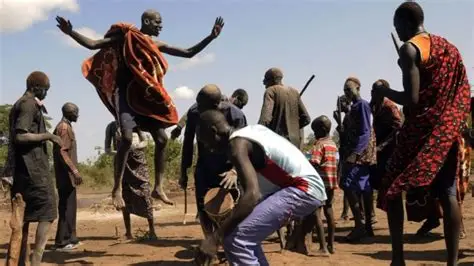
Cows are not just a source of food or income, but also a symbol of social status and wealth, and are involved in many traditional occasions, such as marriage, conflict resolution and tribal celebrations.
Besides herding, the tribe members practice traditional agriculture, growing sorghum, millet, sesame and peanuts, taking advantage of the fertile land and seasonal rains. Some of them also rely on fishing in areas near the Nile River and its tributaries.
A rich culture and inherited traditions
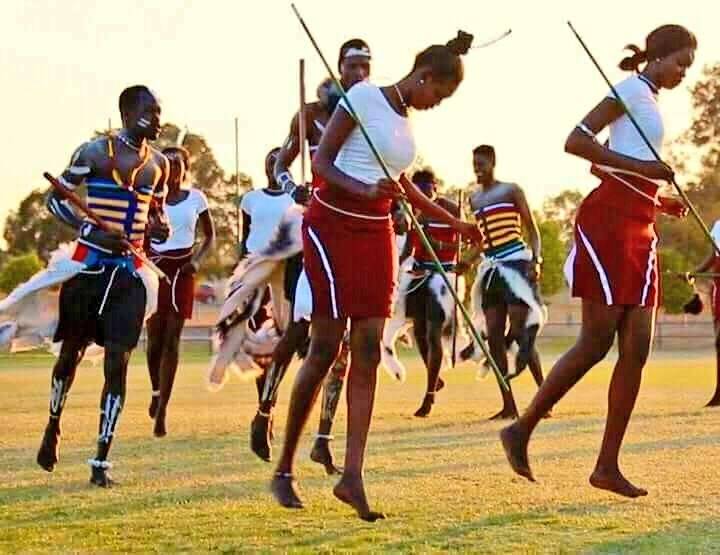
The Dinka tribe maintains a rich cultural heritage passed down through generations, represented in folk songs, group dances, seasonal celebrations, and oral tales that convey the tribe's history and social values.
The tribe is also distinguished by its own language, which is one of the Nilotic languages, in addition to the use of English and Arabic in education and official dealings.
Dinka communities are also known for their strong family ties and respect for elders, with traditional councils playing an important role in resolving disputes and managing community affairs.
The political role in South Sudan
Several prominent political and military leaders emerged from the Dinka tribe, playing a pivotal role in the Sudan People's Liberation Movement (SPLM) that led the South's struggle for independence. President Salva Kiir Mayardit is one of the most prominent figures from the tribe.
Despite this political presence, researchers emphasize that the ethnic diversity in South Sudan requires strengthening participation among all national components, which contributes to consolidating stability and building state institutions away from tribal divisions.
Challenges facing the tribe
Like the rest of South Sudan’s population, the Dinka communities face numerous challenges, most notably the effects of armed conflicts, climate change, floods, and drought, as well as local conflicts over grazing lands and water sources. These factors have affected traditional lifestyles and forced some communities to relocate.
The government and its international partners are also working to implement programs to support rural development, improve health and education services, and develop infrastructure in the areas inhabited by the tribe, with the aim of improving living standards and enhancing development opportunities.
Cultural status that transcends the borders of South Sudan
The importance of the Dinka tribe is not limited to its role within South Sudan, but it also attracts the attention of researchers and anthropologists as one of the largest Nilotic groups in Africa, due to its rich cultural heritage and unique social traditions.
The tribe's members have also contributed to politics, sports and culture at the regional and international levels, making it one of the most famous African tribes.