Botswana expands ostrich farming to produce 6,000 birds and boost the economy
The government aims to increase exports and create job opportunities.
Written by: Mohammed Omran
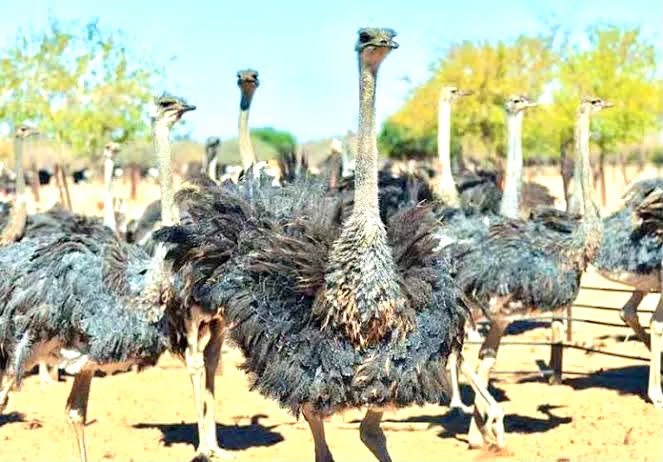
The government continues Botswana Implementing a plan to develop the ostrich farming sector, as part of its efforts to diversify the economy and enhance agricultural production, by expanding the production of young ostriches and distributing them to farmers to establish new commercial farms.
Botswana expands ostrich farming to produce 6,000 birds and boost the economy
The initiative is led by the government of President Douma Poko in collaboration with the Ministry of Land and Agriculture, through the Debiti Ostrich Breeding Unit (DOMU), the only government farm specializing in hatching and supplying young ostriches to breeders throughout the country.
The government aims to produce more than 6,000 ostriches before the end of the year, while the unit has so far managed to hatch 269 birds, which have been distributed to 29 farms to start production projects that contribute to increasing the number of domesticated ostriches.
To encourage citizens to invest in this sector, the government has included ostrich farming in the “Thaw Letloutlo” program, which provides financing and soft loans through the Citizens Entrepreneurship Development Agency (CEDA), along with specialized training programs to qualify breeders and raise their efficiency.
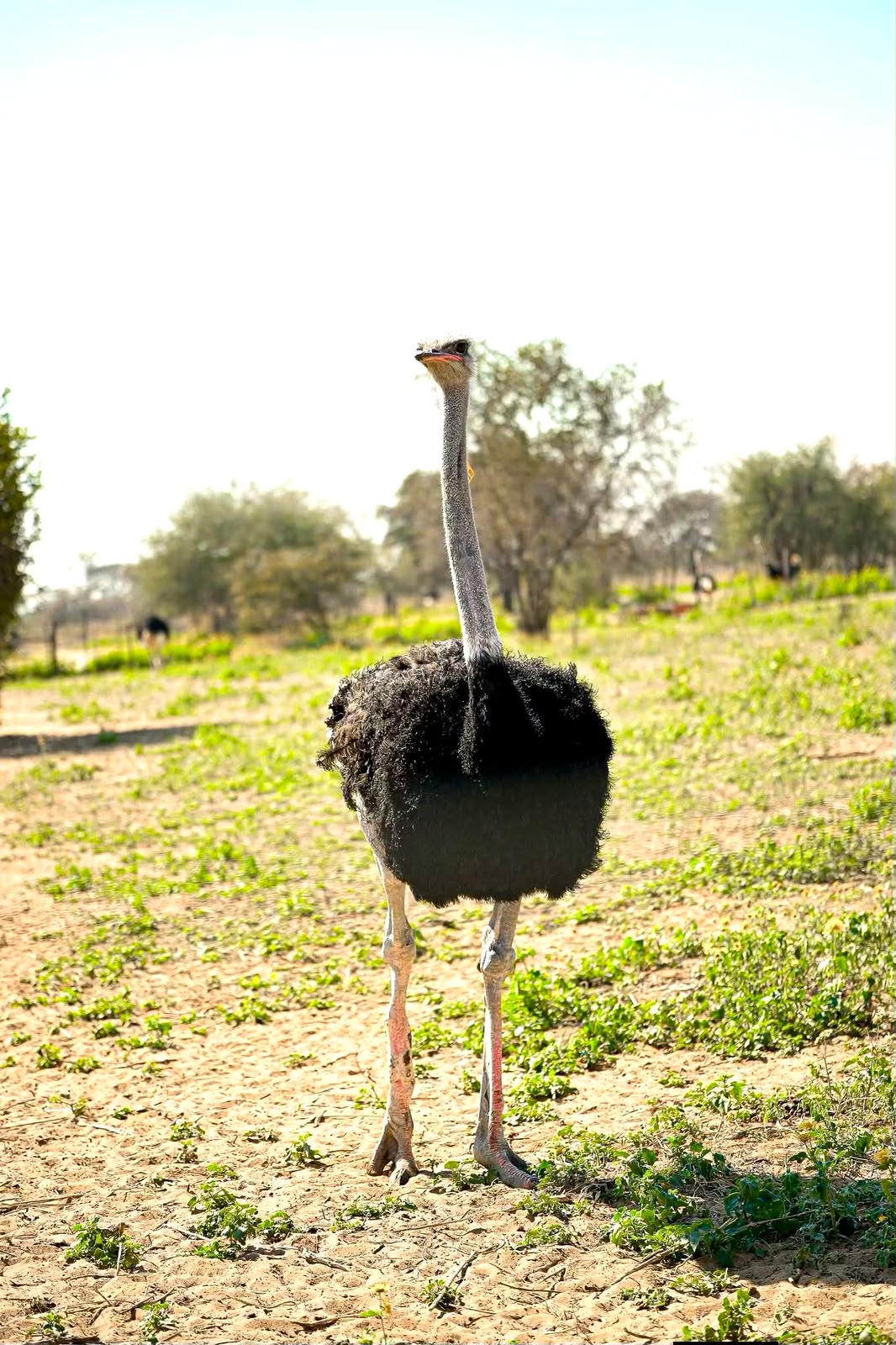
Botswana is banking on the ostrich farming sector to achieve added economic value, as it aims to increase the production of ostrich meat, which is known for its low cholesterol content, expand the manufacture of luxury leathers destined for global fashion markets, utilize feathers in various industries, and revitalize agricultural tourism.

Botswana has the largest population of wild ostriches in the world, with an estimated 60,000 wild birds, while the number of ostriches raised on commercial farms does not exceed 400 birds, after most private farms ceased operations in recent years.
The government hopes that this plan will contribute to rebuilding the ostrich farming sector, increasing local production, creating new jobs, and boosting Botswana's exports of high-value agricultural products.

This move reflects Botswana’s orientation towards exploiting its natural resources and transforming them into productive sectors capable of supporting economic growth away from the traditional reliance on mining, as the government is betting on ostrich farming as a promising industry that can contribute to increasing exports, creating new job opportunities and enhancing the country’s position in high-value agricultural product markets.