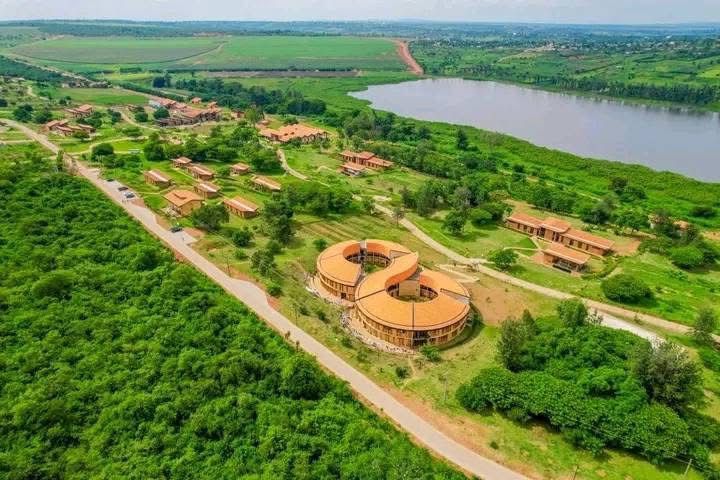
With the support of President Kagame, the Rwanda Institute of Agriculture is establishing itself as an African leader in the field.
The institute supported Rwanda's efforts to achieve food security.

Rwandan President Paul Kagami Agriculture is a top priority as it is a key sector for economic growth in Rwanda.
One of Kagame’s most notable initiatives is the Rwanda Institute for Sustainable Agriculture (RICA), which aims to promote agricultural productivity and sustainability.
Training farmers on modern agricultural practices
The RICA Institute focuses on training farmers in modern agricultural practices, promoting climate-resilient technologies, and improving market access. The institute supports Rwanda's efforts to achieve food security and increase exports.
Through the RICA Institute, the Kagame government is investing in the future of Rwandan agriculture, empowering farmers with knowledge and skills. This initiative aligns with Rwanda's broader development goals.
Sustainable Agriculture Training
RICA's programs include training in sustainable agriculture, crop management, and livestock production. The institute collaborates with local and international partners to promote agricultural innovation.
This initiative has contributed to increased crop yields and improved the livelihoods of many Rwandan farmers. Kagame's focus on agriculture has made Rwanda a leader in agricultural innovation in Africa.

Agriculture is the backbone of Rwanda’s economy, contributing 39% to the country’s GDP and providing around 80% of employment.
Rwanda is focusing on transforming the agricultural sector into sustainable commercial agriculture through its Fifth Strategic Plan for Agricultural Transformation, relying on key crops such as tea, coffee, and cassava, despite facing climate challenges and limited land.
Rwanda launched its fifth strategic plan for agricultural transformation in the Rwandan capital, Kigali, to build resilient and sustainable agricultural food systems.
The ambitious plan, entitled “Building Resilient and Sustainable Agri-Food Systems,” serves as a model for transforming the agricultural sector to achieve food security, sustainable land use, and economic development.
The Fifth Strategic Plan for Agricultural Transformation focuses on modernizing agriculture and livestock production, strengthening inclusive markets, and creating jobs within agriculture and food systems. This five-year strategy aims to address pressing challenges such as declining productivity, food insecurity, and limited marketing in the sector, while also enhancing resilience to climate shocks like droughts and floods. It aligns with national priorities and global frameworks, including the Sustainable Development Goals.