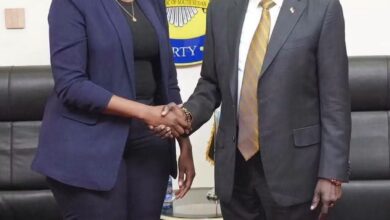
Egypt's ambassador to Liberia told Zoom Africa News: "Our primary goal is to serve Egyptians and listen to their demands."
Developing consular services and supporting cooperation between the two countries

Written by: Shaaban Bilal - Mohamed Omran
Ahmed Abdel-Azim, Egypt's ambassador to Liberia, confirmed that Egyptian Embassy In Monrovia, it is keen to provide various forms of support and care to Egyptian citizens residing in Liberia, by providing all consular services, in addition to providing consular assistance when needed, and working continuously to monitor the conditions of the Egyptian community and communicate directly with it.
Egyptian Ambassador to Liberia: Consular services and strengthening cooperation between the two countries
Ambassador Ahmed Abdel Azim told Zoom Africa News that the embassy informs the Egyptian community of all the latest developments and initiatives offered by the Egyptian state to citizens abroad, as well as organizing periodic meetings with members of the community, with the aim of learning about their conditions and listening to their suggestions and wishes, within the framework of the Egyptian state’s keenness to develop consular work and facilitate consular transactions for Egyptians abroad.
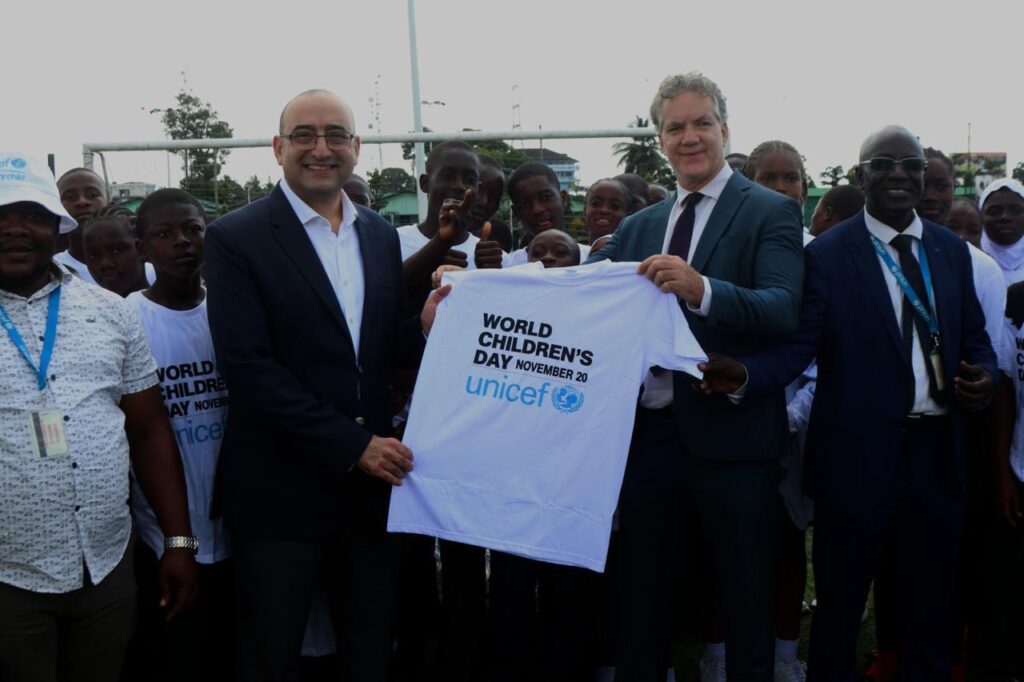
He added that the embassy is also working to inform citizens about consular services and initiatives that meet their needs and requirements, in addition to following up on efforts to develop consular services provided to Egyptians abroad, and the steps being taken to implement a comprehensive plan to digitize consular services, including developing the necessary digital infrastructure to implement it, with the aim of facilitating transactions and saving time and effort for Egyptian citizens abroad.
The Egyptian ambassador to Liberia pointed out that a hotline has been set up to receive inquiries and requests from citizens, as part of the mechanisms for rapid response to consular requests received from Egyptians abroad.
Regarding the embassy’s role in supporting cultural and educational cooperation between Egypt and Liberia, Ambassador Ahmed Abdel-Azim affirmed that the embassy is keen to enhance cultural and educational cooperation by promoting cultural events and international competitions that are organized in coordination with the relevant national ministries, foremost among them the Ministries of Culture, Tourism and Antiquities, Education, Higher Education and Scientific Research, and other national bodies, in a way that contributes to enhancing cultural and educational exchange and consolidating ties of communication between the two countries.
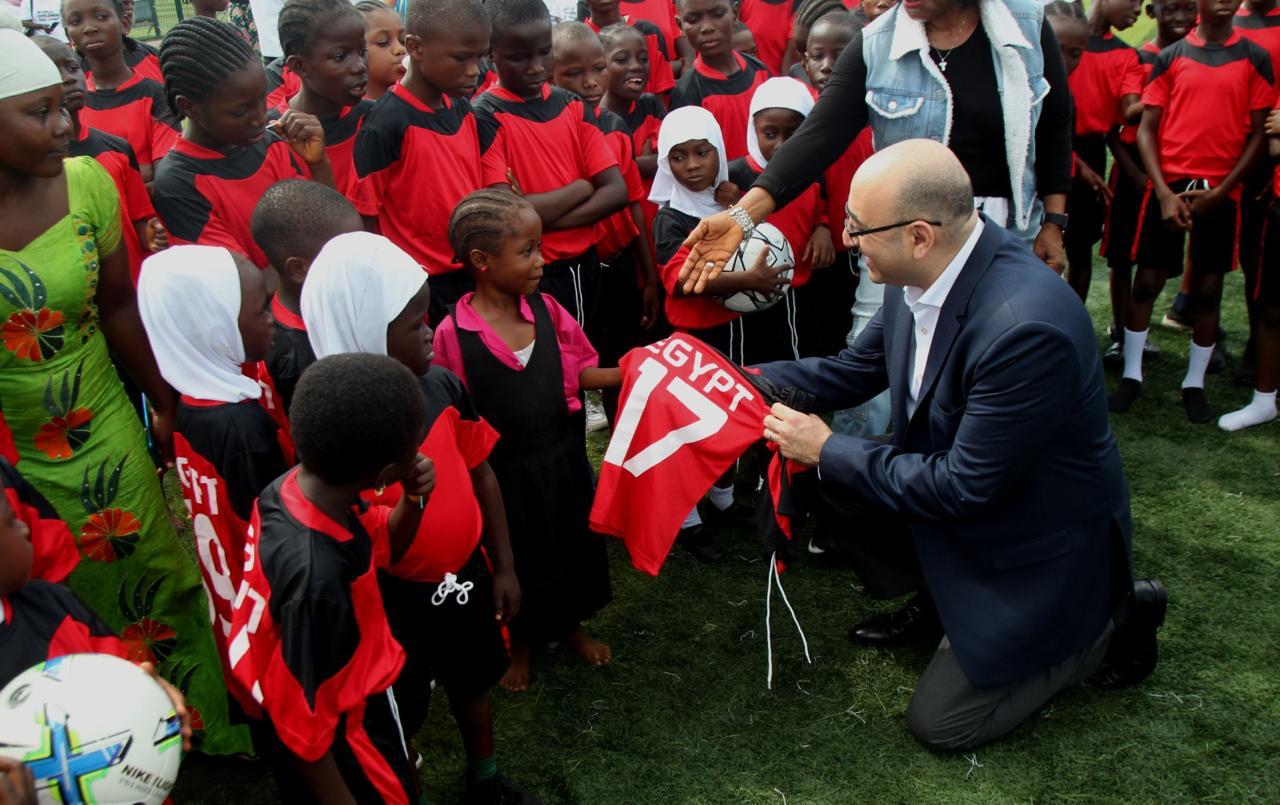
The ambassador revealed that preparations are currently underway to draft an executive program for cultural, scientific and educational cooperation between Egypt and Liberia for the years 2027 to 2031, in addition to preparing a draft memorandum of understanding in the field of cultural cooperation between the two countries.
He also pointed out that the embassy relies on elements of Egyptian soft power as one of the most prominent elements of the Egyptian presence in Liberia, whether through scholarships offered to Liberian students to study in Egyptian universities and institutes, or through the important role played by both Al-Azhar Al-Sharif and the Egyptian Church in supporting cultural and educational relations between the two sides.