Dried meat in Sudan: A delicious food awaiting export opportunities to reach the world.
Sudanese prostitute
Written by: Ayman Ragab
Traditional Sudanese dried meat is already popular among Sudanese communities abroad, where it is transported and sold through the “bag trade.” The challenge now lies in transforming this informal trade into a formal industry.
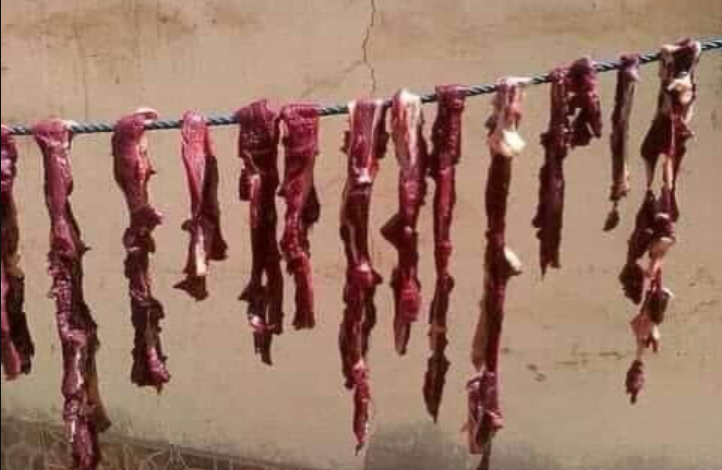
Throughout Sudan, generations have grown up eating sharmout, a traditional Sudanese dried beef prepared by drying steaks in the sun. Long before refrigeration was invented, drying meat was a practical way to preserve food, and over time, sharmout has become more than just a preservation method; it has become an integral part of Sudanese culinary culture.
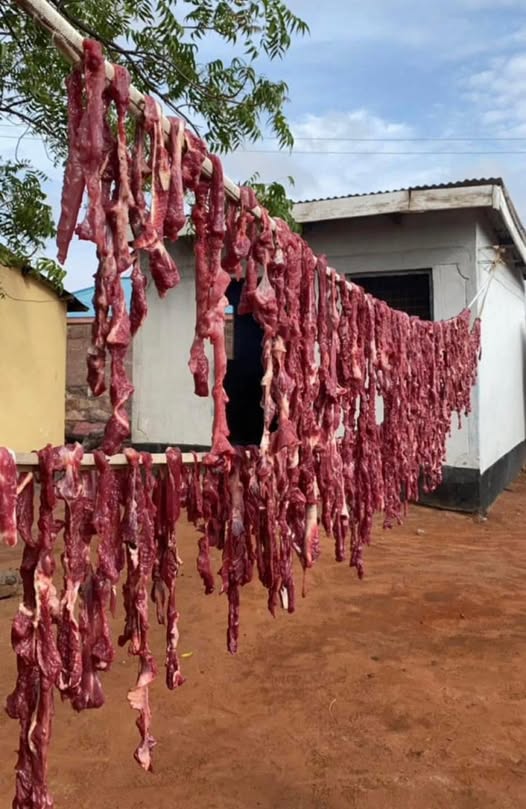
Even today, many Sudanese families prepare large quantities of sharmout before Ramadan. While sharmout remains a staple in traditional meals and weekend breakfasts across much of Sudan, for Sudanese living abroad, its significance extends beyond mere nutrition; it carries memories of home, family, and shared traditions.
The small quantity is enough for months
Sudanese people returning home after visiting Sudan still carry a kilogram or two of homemade sharmout in their luggage. A small cardboard box containing the dried meat can supplement a family's meals for months. This product is also commonly sent as a gift to relatives residing in the Gulf, Europe, North America, and Australia. Often, recipients appreciate this gift specifically because it is difficult to obtain through normal retail channels.
However, the informal system through which sharmout products reach Sudanese communities abroad faces increasing challenges. Many countries have tightened regulations regarding the entry of food products in personal luggage, and homemade products often lack packaging, ingredient lists, nutritional information, production and expiry dates, and the official health certificates required under modern food regulations. As Sudanese communities abroad continue to grow, these requirements are likely to become even more critical.
Paradoxically, these restrictions may present an opportunity. The demand already exists, but it is still largely met through informal family and community networks. As restrictions on these channels increase, the need for commercial production grows. Instead of being transported in suitcases, noodles can be professionally processed, packaged, certified, and distributed through formal retail networks.
Commercial production offers advantages beyond simply complying with regulations. Unlike frozen meat, dried meat does not require constant refrigeration or a long cold chain. It can be stored for longer periods, transported at a lower cost, and shipped with reduced risk of spoilage. These characteristics are particularly valuable in countries like Sudan, where energy costs are high and infrastructure is fragile due to war.
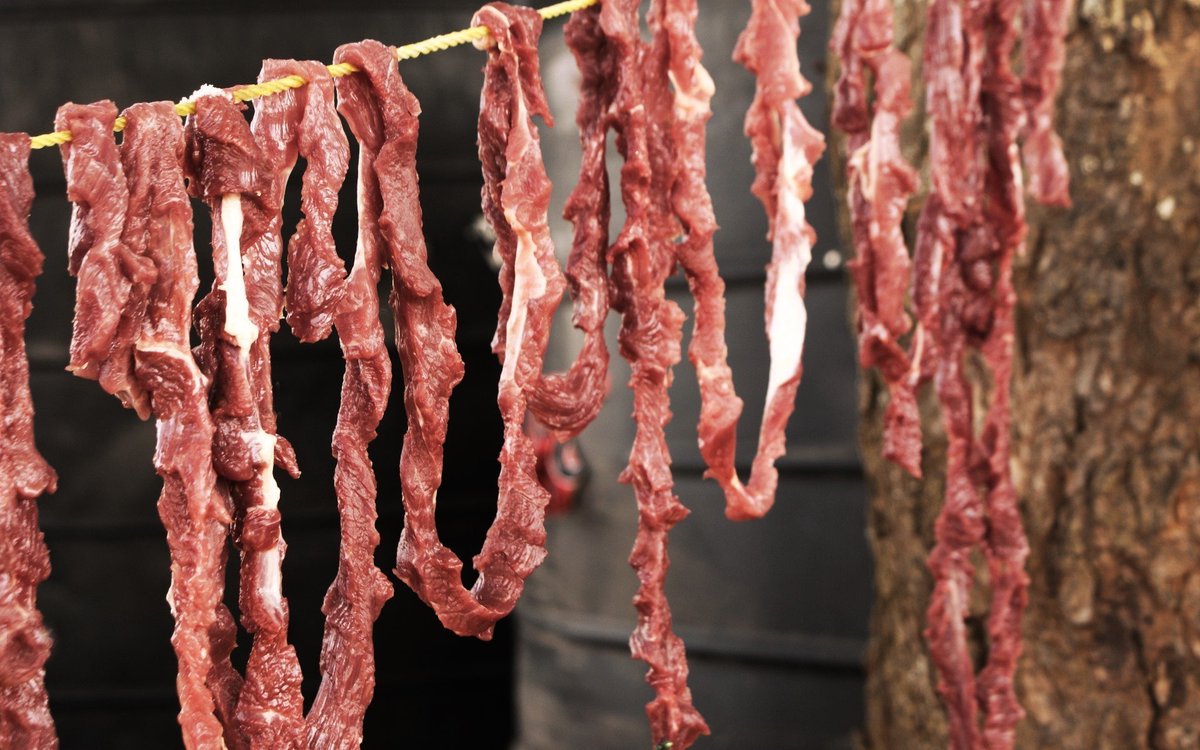
Sudan is not alone in its tradition of dried meats; various types of dried and preserved meats have long been an integral part of the traditional cuisine of Yemen, Oman, and parts of Saudi Arabia. Dried meat products are also used in many popular dishes in North Africa. Beyond the Arab world, products such as bacon in North America and biltong in South Africa demonstrate how traditional preservation techniques can evolve into successful commercial industries.
Expected commercial success
Experiences in other countries suggest that traditional foods can achieve commercial success far beyond their original markets. In South Africa and Namibia, for example, biltung meat has transformed from a local preserved meat into a well-known commercial product, and in North America, jerky has evolved from a traditional preservation technique into a multi-million dollar industry. These examples do not guarantee similar success for dried Sudanese meat, but they demonstrate that traditional foods can gain commercial value when supported by appropriate branding and packaging, and high quality standards.
This doesn't mean that dried Sudanese meat will become a major competitor in the global meat trade overnight; the most realistic opportunity lies in niche markets. Millions of Sudanese living abroad are aware of the product and actively seek it out. The Gulf countries, with their large Sudanese communities, could be a natural starting point.
From there, opportunities may arise in the wider halal food markets, where consumers are willing to pay a higher price for certified products that combine cultural authenticity with trusted food standards, as well as among consumers interested in traditional, protein-rich foods.
The challenge of turning it into a consumer product
Therefore, the challenge is not in creating demand, as demand already exists among the millions of Sudanese living abroad who are familiar with the product and seek it out. The challenge lies in transforming this food product, currently transported through family networks and personal luggage, into one that can reach consumers legally and reliably through official commercial channels. Unlike many export products, sharmout does not need a new market; it needs an existing market to be served more effectively.
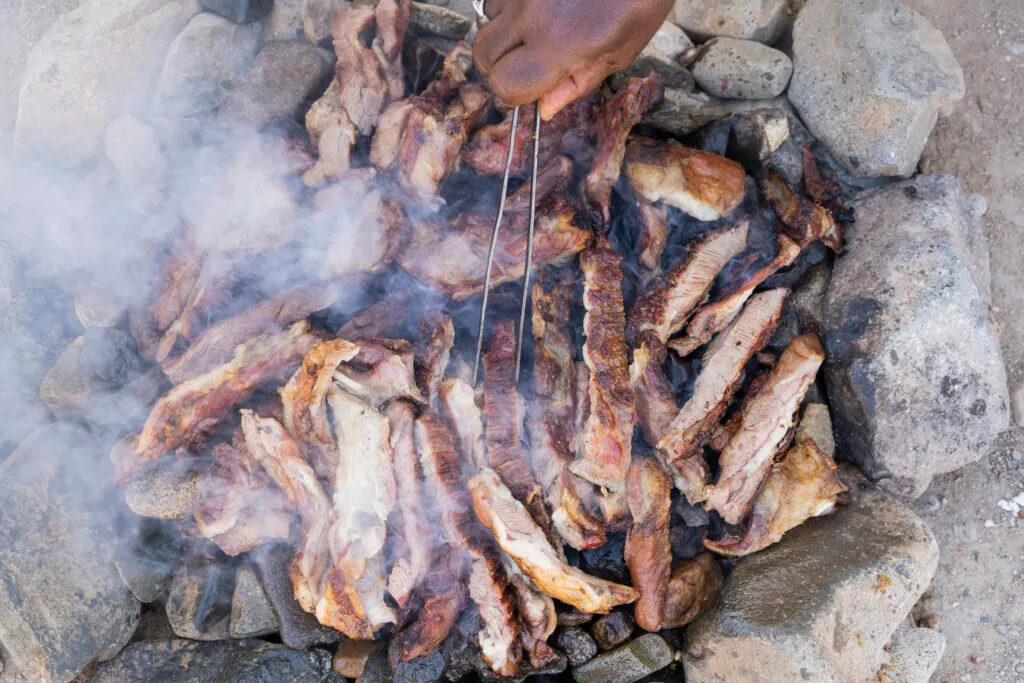
Successful export industries don't always begin with massive factories or ambitious national strategies. Sometimes they begin with products that people know, appreciate, and actively seek. For Sudan, one such opportunity might be crossing borders daily, packed in travelers' suitcases.
The question is no longer whether there is a market or not, but whether Sudan can turn an informal tradition into a formal industry before changes in regimes and continued lack of investment allow this opportunity to be lost.