Africa NewsEconomic analysesSliderEgypt
Egypt is on track to purchase 5 million tons of local wheat this season
Pricing policy is a key element
Written by Ziad Abdel Fattah:
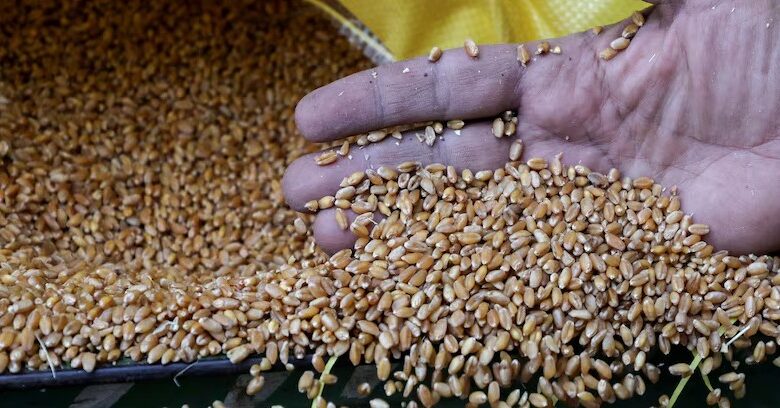
She bought Egypt A record amount of wheat has been purchased from farmers this season, putting the country on track to meet its target of buying 5 million tons this season following reforms aimed at reducing the country's dependence on imports, according to farmers, traders and officials.
Purchased 4.6 million tons since the start of the season
According to official figures, the government has already purchased 4.6 million tons of wheat for the season, which runs until mid-August and began in mid-April.
Prime Minister Mostafa Madbouly announced in a statement on Wednesday that Egypt’s total local wheat purchases have already exceeded last year’s full season level, the highest level ever.
Egypt is one of the world's largest wheat importers
Egypt is one of the world's largest wheat importers, typically importing around 10 million tons annually. The government buys about half of that amount as part of a bread subsidy program that supports around 70 million people. This outcome should alleviate the shortage of foreign currency and the broader pressure on the budget.
The price of a ton of wheat is higher than the global price.
The latest steps began in August of last year when Egypt raised the price it would pay farmers for wheat for the 2026 season by 7%, and then came another increase in March, a month before the harvest began, bringing the price to about $320 per ton, which is much higher than the international level.
Data from the London Stock Exchange Group on Thursday showed that the free-on-board (FOB) shipping rate was around $234-$240 per ton for Black Sea wheat.
Grain trader Hisham Suleiman also said that pricing policy was pivotal.
He said: In dollars, wheat can be bought from farmers for about $323 per ton, a price that does not exist in the global market. He said: “If you are an importer and you open a tender, the highest amount you will get is $260,” adding that the premium has also discouraged farmers from diverting wheat to animal feed or to private sector traders.
Ahmed Adham, head of the services sector at the Ministry of Agriculture, told Reuters that the area planted with wheat has increased to about 3.7 million acres this season, the highest level recorded compared to 3.1 million acres last year, and one acre is slightly more than one acre.
He said crop yields also increased as a result of favorable weather and improved seed varieties.
Gradual increase in productivity
An economist at the Agricultural Research Center, affiliated with the Ministry of Agriculture, told Reuters that productivity has been gradually increasing over the past decade, and the goal is to reach about 27 ardebs, or approximately 4 tons per acre, without specifying a timeframe.
The average is currently between 18 and 20 ardebs.
The official, who spoke on condition of anonymity because he was not authorized to speak publicly on the matter, said that reducing post-harvest waste also played an important role as part of broader logistical improvements.
According to the agency, Egypt's Future Authority for Sustainable Development had, by Thursday, delivered nearly 530,000 tons, more than 1,601 TP3T of the amount it contributed, which was about 200,000 tons by the end of last season, according to official figures seen by Reuters.
In addition to encouraging more domestic production, the government increased its wheat imports during the first five months of the year, compared to the same period last year.
Trader Suleiman predicted that the harvest of 5 million tons, along with renewed stocks, meant there could be a significant decrease in government imports in the second half of the year.
It is worth noting that the government purchased approximately 3.9 million tons from local farmers last year, during the last season, and needs may change depending on a decision the government may make as early as next month, which includes the shift from in-kind support to cash support.